
The Captain
2019
No user ratings available yet
Diversity score: 2.8 out of 10
2016
Director
Antoni Krauze
Runtime
115 minutes
Average Rating
No ratings yetSynopsis
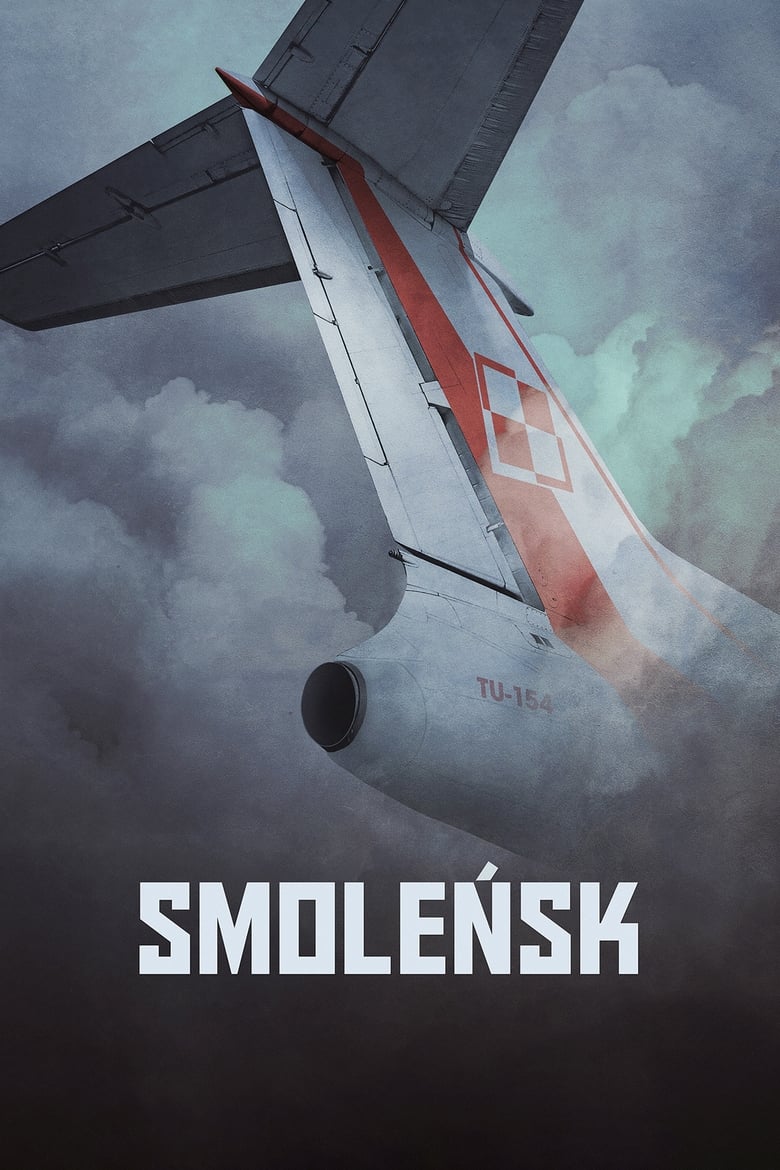
Inspired by true events of 2010 Polish Air Force Tu-154 crash in Smolensk, the film tells the partially fictional story of crash and various people affected by the tragedy. The protagonist is a journalist Nina, who refuses to accept the official version of the story and pursues her own independent investigation.
Overall Score
Minimal
Category Breakdown
LGBTQ+ Representation
The film lacks any presence of queer identities or non-heteronormative subtext. It operates within a traditional framework that does not engage with LGBTQ+ visibility.
Gender Representation
While the protagonist Nina shows agency through her investigation, the film adheres to conventional gender hierarchies. It reinforces established social structures rather than subverting them.
Racial & Ethnic Diversity
The cast is highly homogeneous, reflecting the specific national context of the tragedy. There is no evidence of multiculturalism or non-white characters within the narrative.
Religious & Cultural Diversity
The story is deeply rooted in patriotism and religious conviction. It positions the state and church as central pillars of stability and national identity.
Disability Representation
There is no visible or invisible disability representation. Characters serve the political plot without integrating neurodivergence or physical disability into their arcs.
Strengths
Areas for Improvement
AI Analysis
Smolensk is a traditionalist drama that prioritizes nationalistic and religious cohesion over intersectional storytelling. The film focuses on a singular, historically-grounded perspective that reinforces established social and institutional hierarchies. The narrative architecture is designed to preserve traditional identity rather than deconstruct cultural norms. This results in a lack of diversity across most progressive metrics, as the film centers on a localized study of Polish national identity. Ultimately, the film functions as a tool for reinforcing institutional authority and patriotic sentiment, leaving little room for diverse or marginalized perspectives.
2019

2007

2020

1998

2008
2009

2002

2006
2016
2024
2021

2016
No reviews yet. Be the first to share your thoughts on this movie!
Use the rating form above to leave a star rating and optional review.