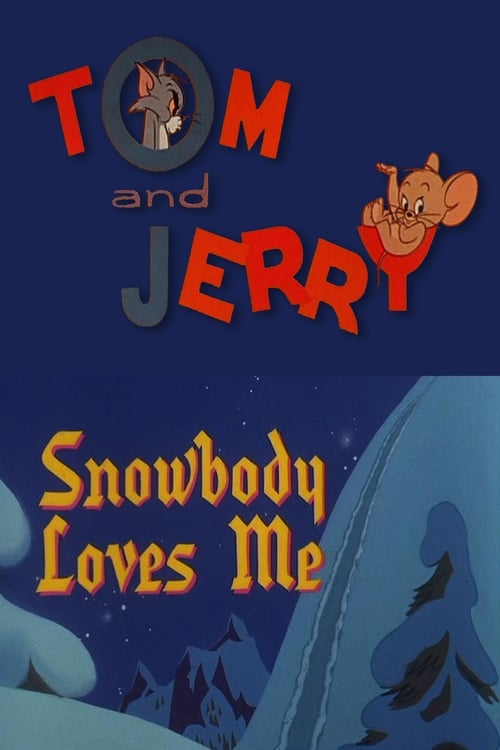
Snowbody Loves Me
1964
No user ratings available yet
Representation score: 0.9 out of 10
Representation Score
Limited
1962
ApprovedDirector
Gene Deitch
Runtime
8 minutes
Average Rating
No ratings yetNew Showbiz Analysis
This 1962 short functions as a traditional mid-century animated comedy. It relies on established clichés of environmental disparity, contrasting the security of a penthouse with the precariousness of an alleyway. The work lacks intentionality regarding progressive representation, focusing instead on resource access to drive its slapstick premise. Ultimately, the film reflects the era's reliance on homogeneous character archetypes and standard narrative devices, offering little in the way of diverse perspectives or identity-driven storytelling.
Category Breakdown
The film does not include any evidence of LGBTQ identities or subtext related to non-straight relationships. The plot focuses solely on the survival and comedic situations of the main characters.
The story centers around two male characters, with no representation of gender diversity. It follows traditional character types from the time period without challenging gender roles.
As an anthropomorphic cartoon, the film avoids depicting human races. However, the setting implies a homogeneous environment typical of 1962 animation.
The story highlights class differences between the upper floors and the streets below. It portrays systemic inequality through situational humor rather than a deep cultural critique.
There is no indication of characters dealing with physical, sensory, or neurodivergent challenges. The narrative does not address disability issues.
Present on Screen
Limited or Absent
Official Synopsis
On a snowy night in the city, Jerry is comfortably asleep in his hole inside a penthouse, while Tom tries to keep from freezing to death in the alley below.
1964
1954
1962

1954
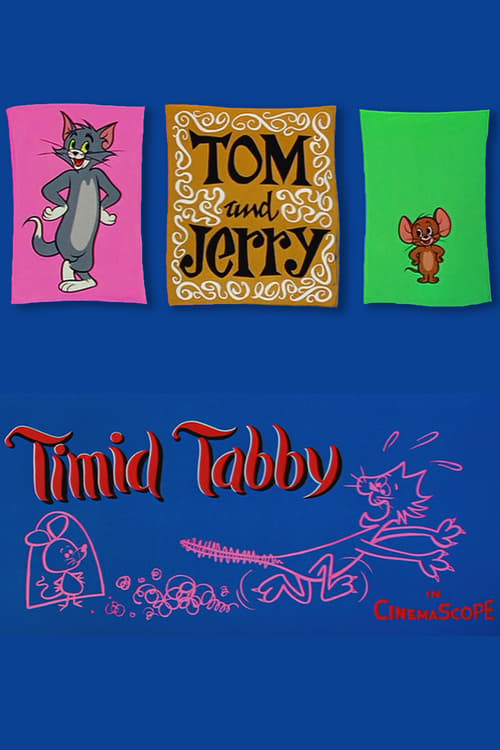
1957
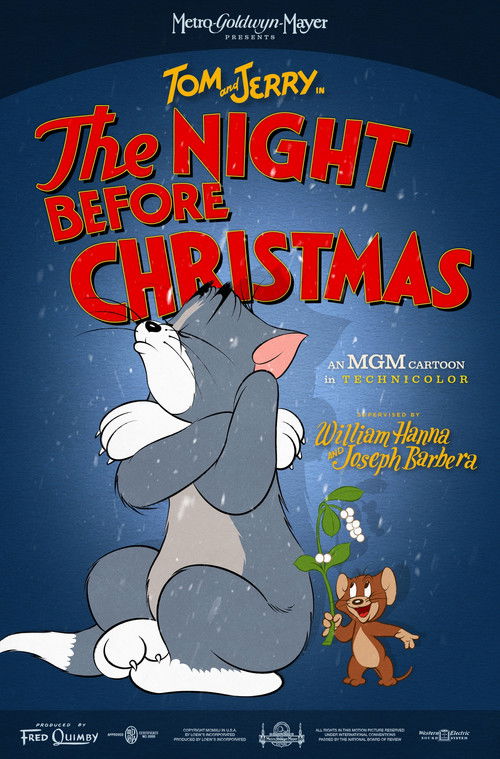
1941

1966

1954
No reviews yet. Be the first to share your thoughts on this movie!
Use the rating form above to leave a star rating and optional review.