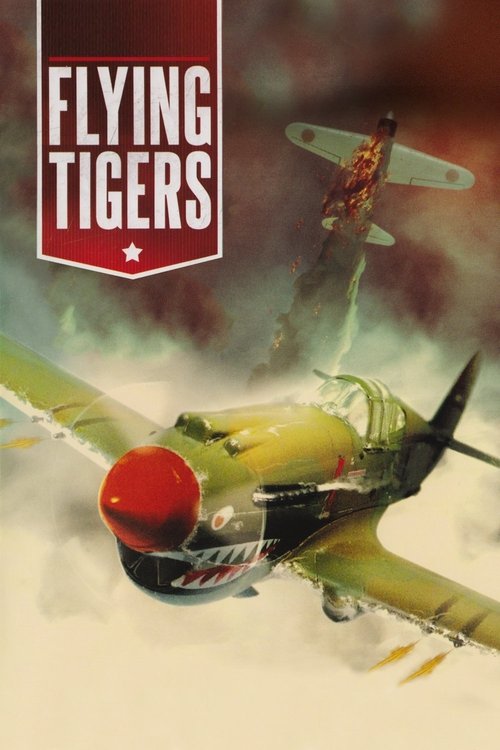
Flying Tigers
1942
No user ratings available yet
Diversity score: 1.7 out of 10
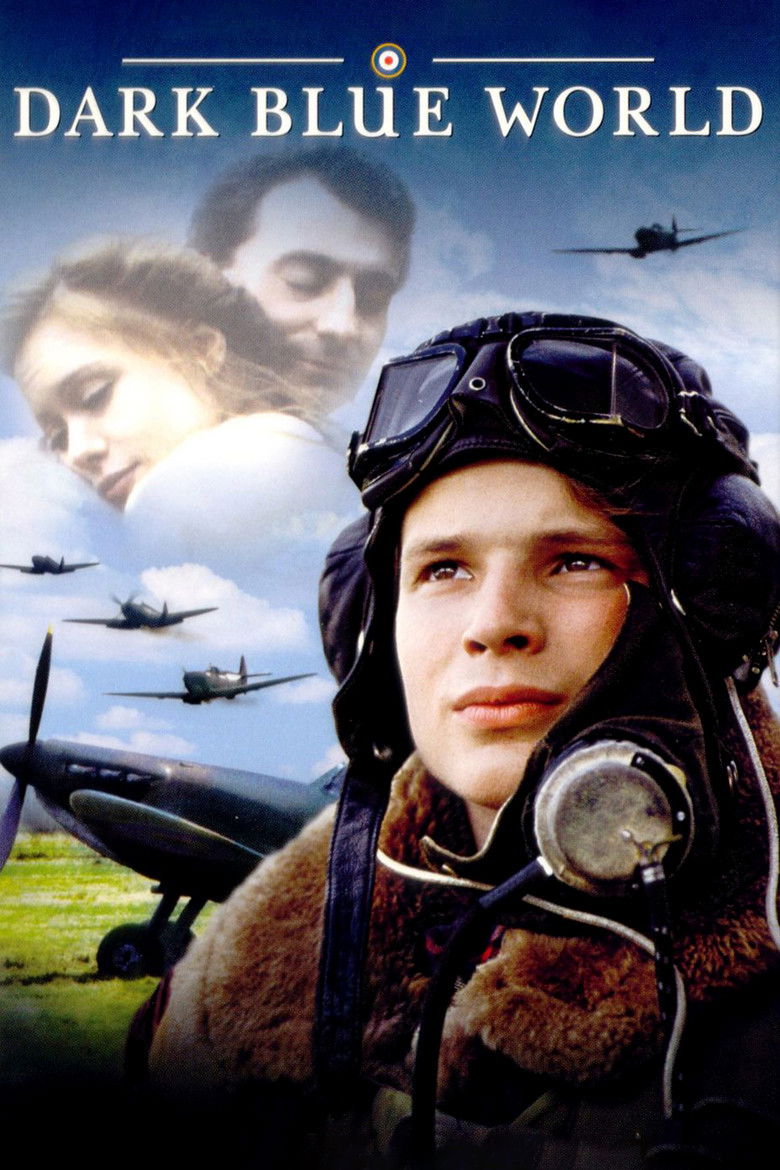
2001
RDirector
Jan Svěrák
Runtime
112 minutes
Average Rating
No ratings yetSynopsis
Lt. Franta Slama is a top pilot in the Czech Air Force who is assigned to train a promising young flier, Karel Vojtisek, and they soon become friends. When Nazi Germany invades Czechoslovakia in 1939, they both reject the authority of their new leaders and escape to England where they join other Czech exiles in the RAF. While flying a mission over England, Karel crash lands and happens upon the farmhouse of Susan, a young woman whose husband is in the Navy. Karel soon falls head over heels for Susan but, while they enjoy a brief fling, in time Susan decides she prefers the company of the older and more worldly Franta. As Franta and Karel struggle to maintain their friendship despite their romantic rivalry.
Overall Score
Limited
Category Breakdown
LGBTQ+ Representation
The film lacks any representation of non-cisnormative identities. The central tension is built entirely on a heteronormative romantic rivalry between two men over a woman.
Gender Representation
Agency is concentrated among the male pilots within a traditional wartime hierarchy. Susan serves primarily as a romantic catalyst to drive the emotional conflict between the male leads.
Racial & Ethnic Diversity
The story provides a meaningful shift away from Anglo-centric war narratives by centering the Czechoslovak experience. However, the cast remains ethnically homogeneous due to the specific historical context.
Religious & Cultural Diversity
The narrative emphasizes patriotism, duty, and the defense of democracy. It presents the struggle for national sovereignty as a virtuous endeavor without deconstructing Western institutions.
Disability Representation
There is no discernible focus on physical disabilities, neurodivergence, or mental health conditions. These elements are not central to the narrative.
Strengths
Areas for Improvement
AI Analysis
Dark Blue World is a traditional historical drama that prioritizes period accuracy and classical storytelling. It succeeds in offering a non-Anglo-centric lens on World War II by highlighting the specific plight of Czech exiles in the RAF. However, the film remains firmly rooted in conventional social structures. It relies on traditional gender roles and heteronormative romantic frameworks to drive its plot, offering little in the way of progressive social critique. Ultimately, the film functions as a celebration of national identity and military duty rather than a vehicle for intersectional representation.
1942
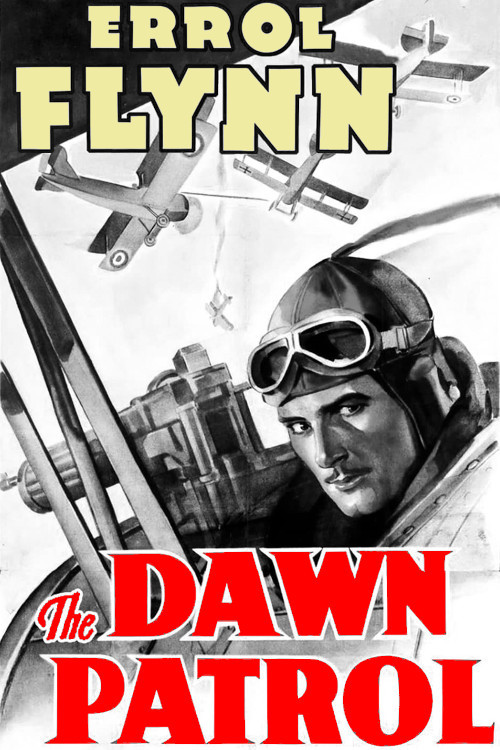
1938

1976
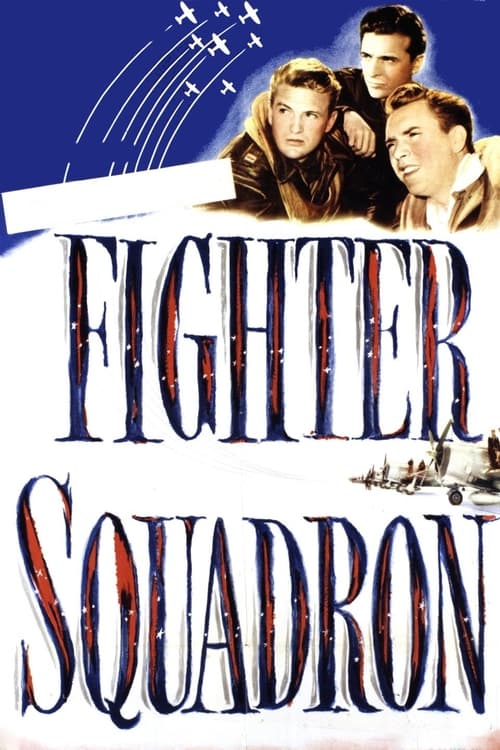
1948
1945
1943
No reviews yet. Be the first to share your thoughts on this movie!
Use the rating form above to leave a star rating and optional review.