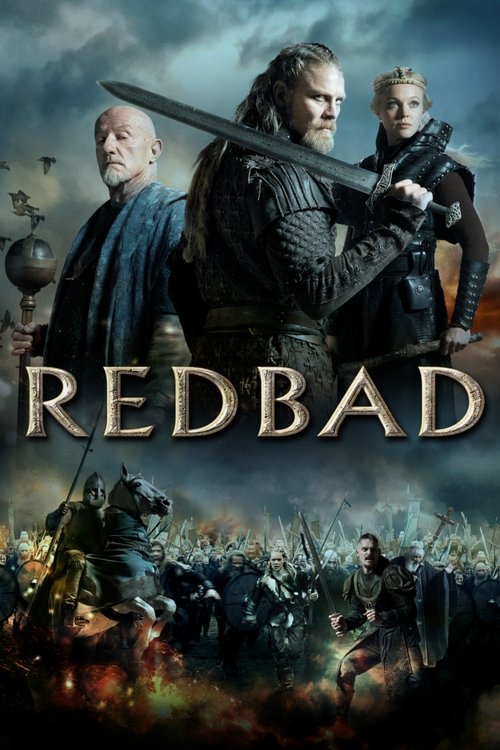
Redbad
2018
No user ratings available yet
Representation score: 2.1 out of 10
Representation Score
Limited
2014
PGDirector
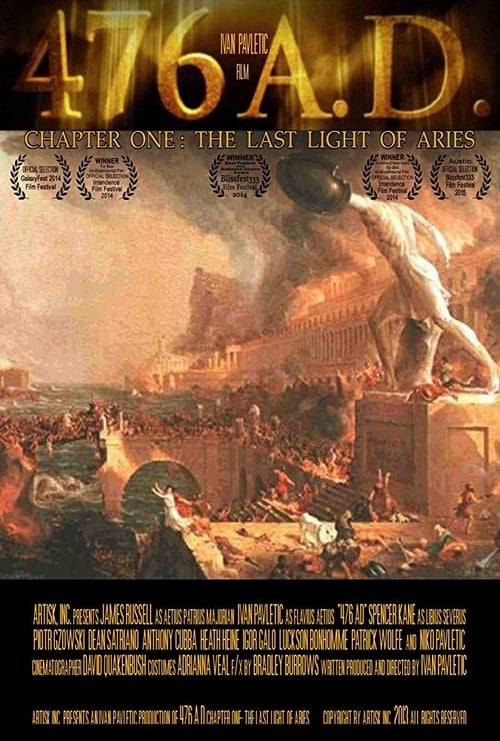
Ivan Pavletić
Runtime
74 minutes
Average Rating
No ratings yetNew Showbiz Analysis
This historical drama examines the systemic collapse of the Roman Empire through the lens of political corruption and military tension. The story steers clear of traditional imperial glorification, focusing instead on the friction between centralized institutions and migratory tribal forces. While the film does not include diverse identity representations, it provides a nuanced critique of established power structures. The narrative portrays the fall of Rome as an inevitable outcome of internal decay rather than simple external aggression. Overall, the film serves as a broad study of state collapse, emphasizing themes of political instability and institutional failure over individual identity-based narratives.
Category Breakdown
The film focuses entirely on geopolitical conflict and military leadership. There is no indication of characters with non-traditional gender identities or stories challenging the assumption that everyone is straight or cisgender.
The story centers around masculine roles such as the General and the Emperor. Men play a significant role in driving the plot within political and military contexts.
The premise involves a clash between the Roman Empire and various Germanic tribes. This suggests a multi-ethnic conflict rather than a monolithic view of civilization.
The film critiques a dominant Western institution by depicting the Empire's downfall through internal corruption. It emphasizes systemic decay over the glorification of imperial stability.
There is no mention of characters with visible or invisible disabilities within the narrative.
Present on Screen
Limited or Absent
Official Synopsis
After General Flavius Aetius frees the Roman Empire from the clutches of Attila the Hun, Rome is once again secure. However, this assurance is short-lived, as Attila is no longer a threat, it only brings the Germanic tribes to once again unite against Rome. As the growing power of General Flavius Aetius becomes a threat to the Roman Senate, and the Emperor of Rome, Flavius becomes a victim of assassination to the Roman political hierarchy, which leaves Rome to two decades of corruption and turmoil. This unrest causes an intense decline in its infrastructure, finally brings the Empire to its inevitable demise. Leaving the Barbarians to finally fulfil their 400 years old dream, to destroy Rome once and for all.
2018
1964

2019
1953
1954
2010
2021

2011
No reviews yet. Be the first to share your thoughts on this movie!
Use the rating form above to leave a star rating and optional review.