Starting Over
2014
No user ratings available yet
Representation score: 4.7 out of 10
Representation Score
Good
2000
Director
Tetsuo Shinohara
Runtime
113 minutes
Average Rating
No ratings yetNew Showbiz Analysis
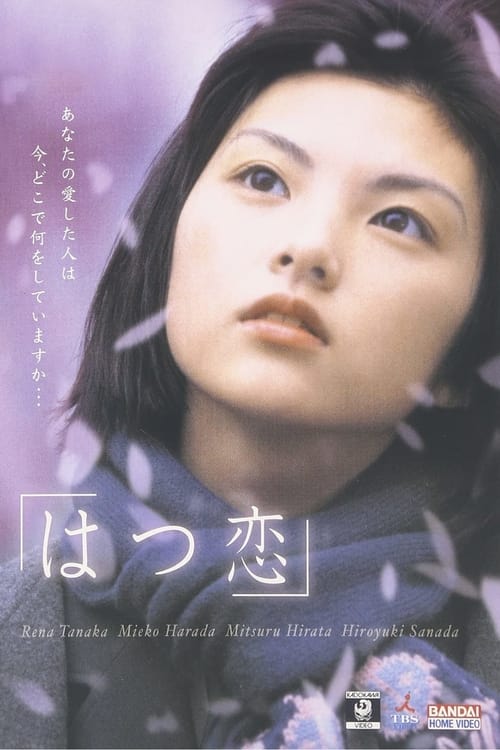
First Love is a character-driven study that finds its strength in subverting traditional gender power dynamics. By placing the ability to act in Sataka's hands, the film avoids the usual cliché of the male lead as the main driver of change. However, the film remains limited by its adherence to traditional romantic structures. It lacks the depth needed to address broader social identities, focusing instead on intimate, individual emotional landscapes. While culturally authentic to its Japanese setting, the narrative does not venture into diverse ethnic or neurodivergent territory, keeping the scope focused on a specific, conventional social framework.
Category Breakdown
The film focuses on traditional heterosexual relationships and does not depict any non-binary gender identities or stories that question the assumption that everyone is straight. It lacks LGBTQ+ representation.
Sataka plays a significant role in driving the story, actively changing Shinichiro's lifestyle. The film challenges the typical strong male figure by showing a vulnerable, inept male character directed by a younger woman.
This Japanese production features a mostly Japanese cast, emphasizing cultural authenticity. It avoids whitewashing but does not use diverse ethnic casting to explore broader racial themes.
The film emphasizes family complexity and emotional truth over religious doctrine. It prioritizes personal connection and authenticity over traditional social norms.
A mother's stomach ulcer serves as a plot catalyst but does not explore disability. There is no significant depiction of neurodivergence or physical disabilities.
Present on Screen
Limited or Absent
Official Synopsis
This coming-of-age story from Japan opens just after 17-year-old Sataka has gotten dumped by her boyfriend. When her mother is hospitalized with a malignant stomach ulcer, Sataka is left alone with her emotionally repressed father; whiling away the hours one day, she comes across a love letter written to her mother 24 years earlier. Deciding to track down the letter's author, Sataka eventually finds Shinichiro (Hiroyuki Sanada), an overweight slob who was abandoned by his wife years earlier and now spends his time hanging around pachinko parlors. Determined to clean him up and reintroduce him to her mother, Sataka nags Shinchiro until he finally agrees to her demands, and a gradual friendship develops between the two as Sataka drags him to the gym and a clothing store. But once Shinchiro's makeover is complete, he turns the tables on his young friend, and when the time comes for him to meet Sataka's mother, all concerned parties find themselves embarking on a new phase in their lives.
2014

2009

2005

1998
2020

1971

2014

2012
No reviews yet. Be the first to share your thoughts on this movie!
Use the rating form above to leave a star rating and optional review.