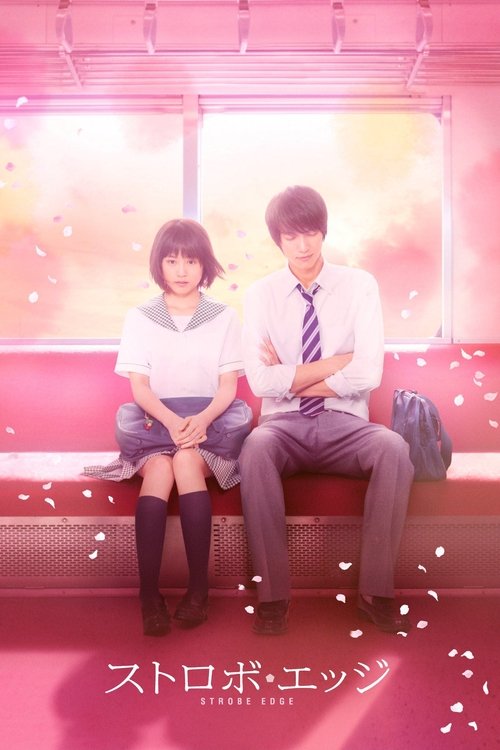
Strobe Edge
2015
No user ratings available yet
Representation score: 4.5 out of 10

Representation Score
Limited
2014
Director
Asako Hyuga
Runtime
102 minutes
Average Rating
No ratings yetNew Showbiz Analysis
Say 'I Love You' is a conventional romantic drama that emphasizes adolescent emotional development within a traditional Japanese context. It adheres to established genre clichés, focusing on the micro-social dynamics of high school life rather than challenging broader societal structures. The film lacks diversity in terms of LGBTQ+ identities and racial variety, maintaining a narrow focus on straight relationships and a homogeneous ethnic background. Ultimately, it functions as a character-driven exploration of personal connections without seeking to challenge social hierarchies or multi-layered identities.
Category Breakdown
The film follows a strictly heterosexual romantic framework, focusing solely on the relationship between a male and female lead, with no representation of diverse sexual orientations or gender identities.
Mei Tachibana has a significant role in navigating her social isolation. However, the romantic storyline relies on traditional gender roles where the male lead acts as a protector and social catalyst.
The cast consists of a homogeneous Japanese group, reflecting a typical urban social environment. There is no evidence of racial blending or intentional demographic diversity.
The story centers on interpersonal loyalty and high school social dynamics. It avoids critiques of religious or cultural institutions, focusing instead on individual emotional growth.
Mei's childhood trauma resulting in social withdrawal and emotional complexity is treated as a psychological hurdle to be resolved through romantic connection, rather than exploring her ability to act in dealing with her condition.
Present on Screen
Limited or Absent
Official Synopsis
Mei Tachibana is a high school student. Due to a traumatic incident when she was a kid, Mei has been unable to make friends or have boyfriends. By mistake, Mei then injures the most popular male student named Yamato Kurosawa. Somehow, Yamato Kurosawa likes Mei Tachibana and tells everyone unilaterally that Mei is his friend. One day, Yamato Kurosawa saves Mei Tachibana from a stalker by kissing her. From that kiss, their love story begins.
2015

2009
2018
2010

2014
2013
2020

2006
No reviews yet. Be the first to share your thoughts on this movie!
Use the rating form above to leave a star rating and optional review.