
Postcard from a Journey
1984
No user ratings available yet
Representation score: 5.3 out of 10

Representation Score
Fair
1968
Director
Almantas Grikevičius, Algirdas Dausa
Runtime
85 minutes
Average Rating
No ratings yetNew Showbiz Analysis
Feelings is a historical drama that prioritizes geopolitical tension and national identity over modern markers of diversity. It functions as a localized study of the Lithuanian experience during a period of intense occupation. The film finds its strength in its refusal to present a state-sanctioned or heroic morality. Instead, it explores the gray areas of human behavior during systemic collapse. However, the work remains limited by its traditional character archetypes. The focus on masculine struggles and a homogeneous cast reflects the specific historical and regional context of 1968 Eastern European cinema.
Category Breakdown
The film lacks explicit LGBTQ+ characters or narratives. It focuses on traditional family structures, such as a widower and his relatives, set during wartime.
The story centers on a male protagonist navigating a crisis where he feels he has little control over events. While a sister-in-law is present, the narrative emphasizes the struggles of masculinity and resistance.
The film provides a localized look at the Lithuanian experience during occupation. While ethnically homogeneous, it offers a nuanced perspective on national identity and regional struggle.
The narrative avoids simplistic patriotic clichés by exploring moral ambiguity. It examines the systemic instability and ethical crises caused by collapsing political forces and occupation.
There is no mention of characters with visible or invisible disabilities in the narrative.
Present on Screen
Limited or Absent
Official Synopsis
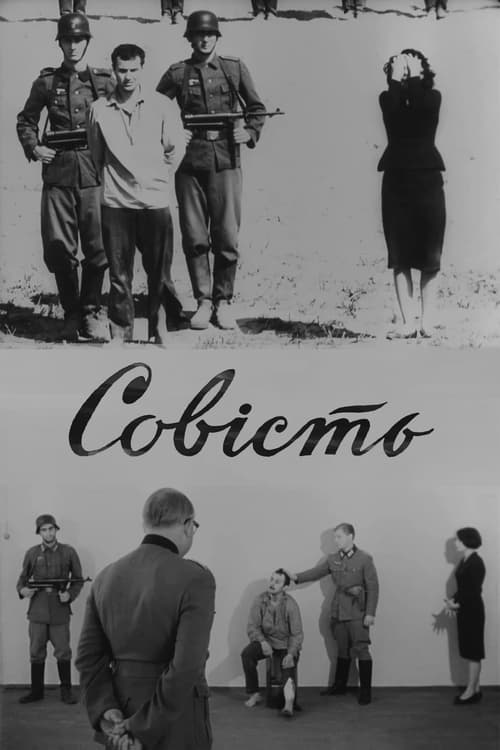
When a widowed fisherman moves in with his brother and sister-in-law to escape the collapsing Nazi forces, he finds himself caught up, like Lithuania itself, in perilous questions of collaboration and occupation, resistance and escape.
1984

1965

2017

1945

2019

2020
1962
1968
No reviews yet. Be the first to share your thoughts on this movie!
Use the rating form above to leave a star rating and optional review.