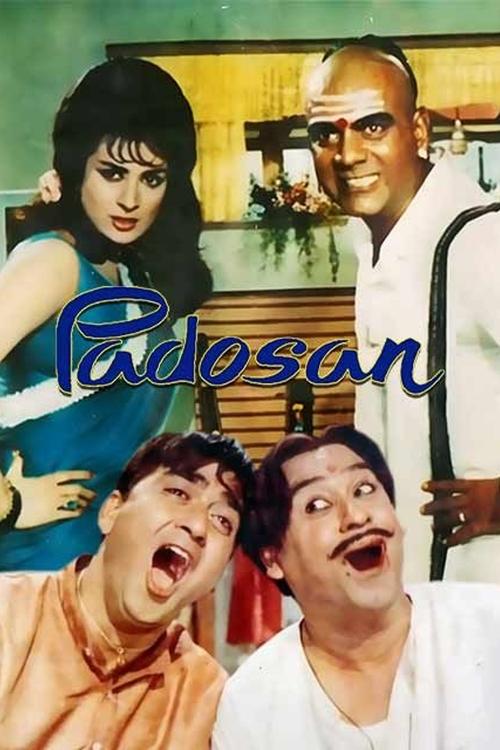
Padosan
1968
No user ratings available yet
Representation score: 1.6 out of 10

Representation Score
Minimal
1963
Director
Vijay Anand
Runtime
149 minutes
Average Rating
No ratings yetNew Showbiz Analysis
Tere Ghar Ke Samne exemplifies mid-century commercial cinema, emphasizing the preservation of existing social and familial hierarchies. The film prioritizes restoring traditional order through the resolution of family conflicts. This approach highlights the importance of the family unit and social cohesion over progressive disruption. Ultimately, the work adheres to the standard gender and cultural norms of its time, resulting in a traditionalist cinematic framework.
Category Breakdown
The film follows typical romantic clichés from the 1960s and does not include any non-straight or non-cisgender identities or same-sex relationships.
Female characters mainly exist within romantic and domestic contexts. While Sujata demonstrates emotional strength, the story remains focused on male-dominated professional and family conflicts.
The cast is uniformly of a single ethnic background, reflecting the local production context of 1963 India. The film does not challenge racial hierarchies.
The narrative centers on resolving family disputes and maintaining domestic harmony. It upholds middle-class stability and traditional social customs.
No visible or invisible disabilities are featured as part of the narrative or character development.
Present on Screen
Limited or Absent
Official Synopsis
Rakesh, a successful architect, falls in love with a girl: Sujata whose father happens to be his own father's business rival. Sujata's father unwittingly assigns Rakesh the contract for building his house. This sets the stage for an entertaining story about the love between two individuals and their efforts to reconcile their families.
1968

1989
1964

2014

1962
1953
1994

1965
No reviews yet. Be the first to share your thoughts on this movie!
Use the rating form above to leave a star rating and optional review.