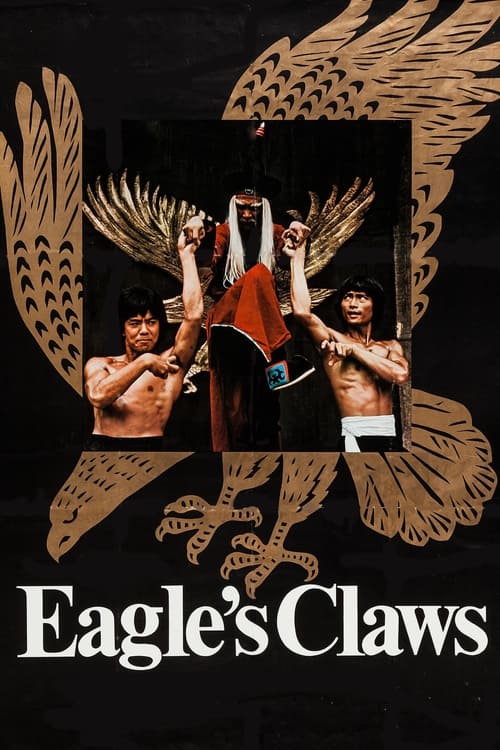
Eagle's Claws
1977
No user ratings available yet
Representation score: 3.2 out of 10

Representation Score
Limited
1979
Not RatedDirector
Lo Wei
Runtime
97 minutes
Average Rating
No ratings yetNew Showbiz Analysis
Dragon Fist is a culturally specific martial arts drama that excels in ethnic representation. By centering East Asian narratives and avoiding Western-centric clichés, it offers a grounded, authentic perspective on clan-based struggles. However, the film remains deeply traditionalist. It adheres to established social hierarchies, particularly regarding gender and authority. The narrative reinforces conservative values like filial piety and lineage rather than challenging them. Overall, while the film is strong in its cultural specificity, its reliance on conventional gender roles and traditionalist social structures limits its broader diversity impact.
Category Breakdown
The film does not include any LGBTQ+ characters or narratives, sticking to a traditional social framework.
The story is heavily male-centric, focusing on male martial prowess and leadership. Female characters primarily serve as secondary or domestic figures rather than active plot drivers.
The film centers on a Chinese cast and cultural context, providing high ethnic specificity. It avoids Western clichés by focusing on local ability to act and community struggles.
The narrative emphasizes traditional values such as filial piety and respect for lineage, reinforcing conventional social hierarchies.
There are no characters with disabilities featured as central plot drivers or subjects of thematic exploration.
Present on Screen
Limited or Absent
Official Synopsis
After the death of his master, martial arts student Tong Huo-wan travels with his adoptive family to seek redress from the man responsible but finds himself torn between righteousness and filial piety after becoming entangled in a feud between a local clan and gangsters.
1977

1978
1976

1967

1979

1980

1977
1980
No reviews yet. Be the first to share your thoughts on this movie!
Use the rating form above to leave a star rating and optional review.