The Wild Ride
1960
No user ratings available yet
Representation score: 3.9 out of 10
Representation Score
Minimal
1967
RDirector
William Grefé
Runtime
90 minutes
Average Rating
No ratings yetNew Showbiz Analysis
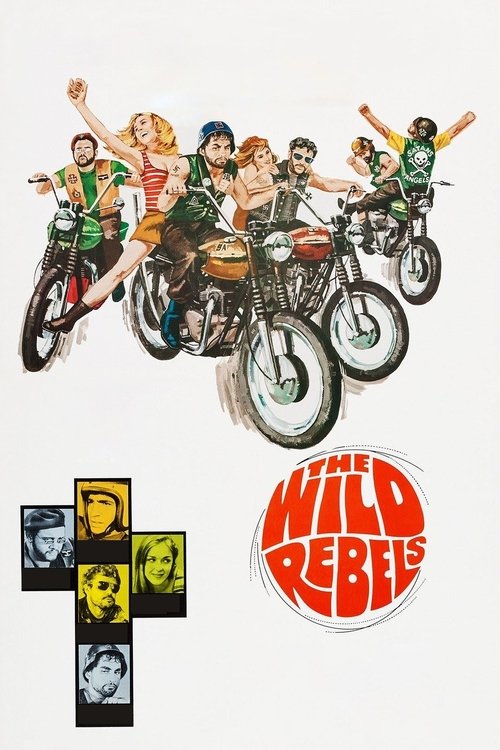
The Wild Rebels operates strictly within the conventions of 1960s exploitation cinema. It prioritizes high-octane crime clichés over any meaningful attempt at storytelling that reflects multiple aspects of diversity or challenges systemic hierarchies. The narrative relies on established power dynamics, specifically a male-dominated hierarchy and traditional gender roles. The characters function as archetypes of the era's outlaw subculture rather than nuanced individuals. While the film presents a conflict between rebels and the law, it lacks the depth to challenge systemic hierarchies. It remains a product of its time, adhering to the commercial standards of mid-century crime dramas.
Category Breakdown
The film does not include any queer narratives or non-cisgender identities. The central relationship revolves around a shared girlfriend, reinforcing traditional group dynamics typical of 1960s biker films.
The story focuses on a male-dominated hierarchy of bikers and police. Linda serves as a communal object for the men, indicating a lack of individual ability to act or disruption of traditional gender roles.
The cast seems to reflect the homogeneous casting standards of 1960s crime cinema. There is no indication of a multi-ethnic ensemble within the primary criminal group.
The film examines the tension between lawlessness and institutional authority. However, it functions as a standard genre piece rather than a sophisticated deconstruction of Western institutions.
There is no mention of characters with visible or invisible disabilities within the narrative.
Present on Screen
Limited or Absent
Official Synopsis
Former stock-car racer Rod Tillman is hired to serve as the getaway driver for a band of Nazi bikers and their shared girlfriend Linda, who intend to go on a crime spree for kicks. The police contact Rod and task him with becoming a stoolie so the bikers can be brought to justice.
1960
1953
1976
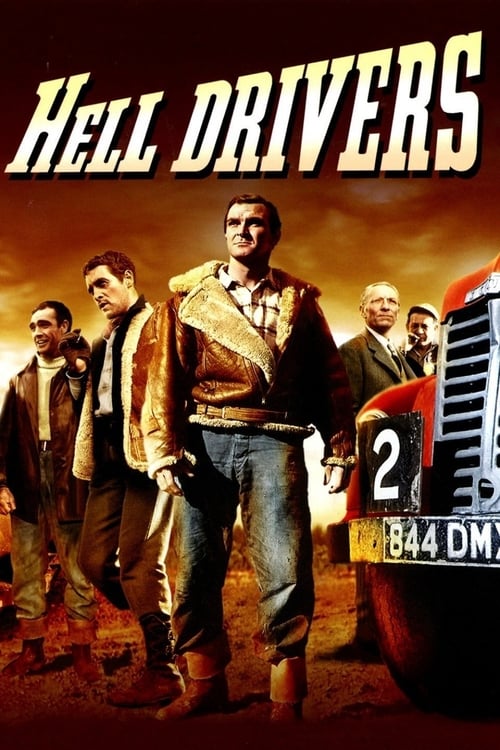
1957

2001
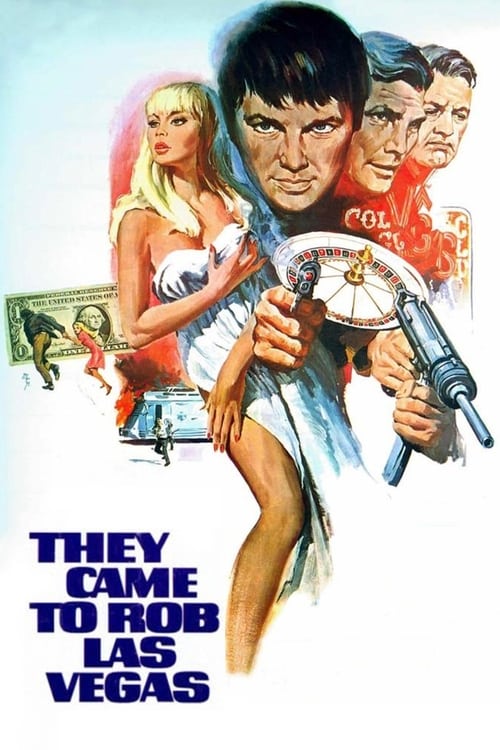
1968
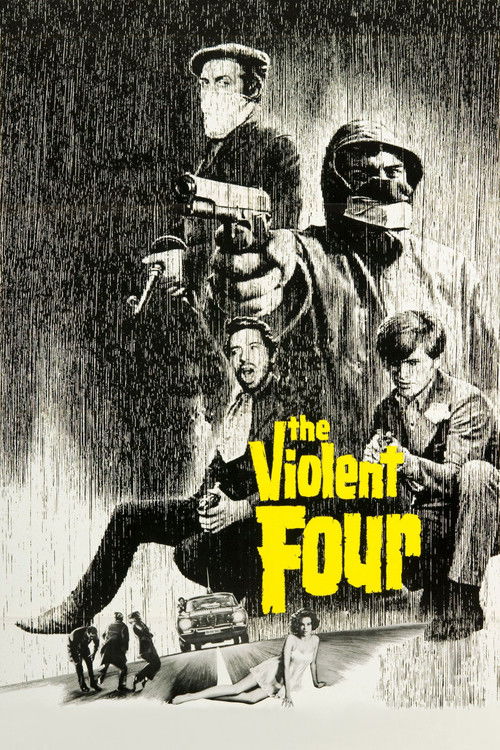
1968
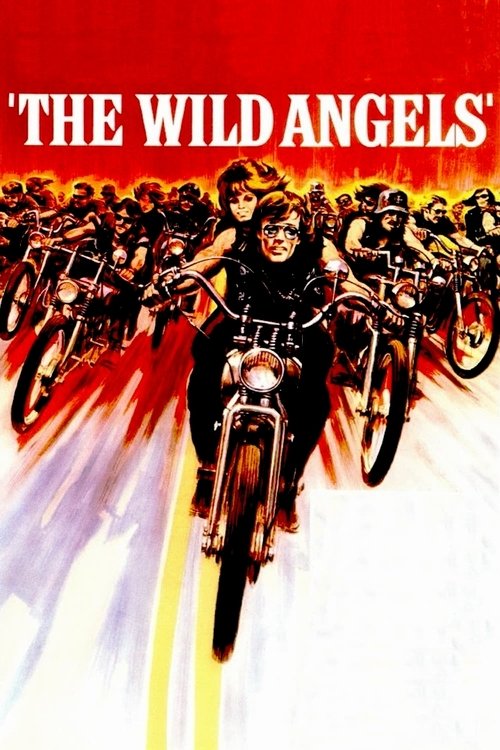
1966
No reviews yet. Be the first to share your thoughts on this movie!
Use the rating form above to leave a star rating and optional review.