Bonnie's Kids
1973
No user ratings available yet
Representation score: 4.5 out of 10
Representation Score
Limited
1976
RDirector
Mark L. Lester
Runtime
89 minutes
Average Rating
No ratings yetNew Showbiz Analysis
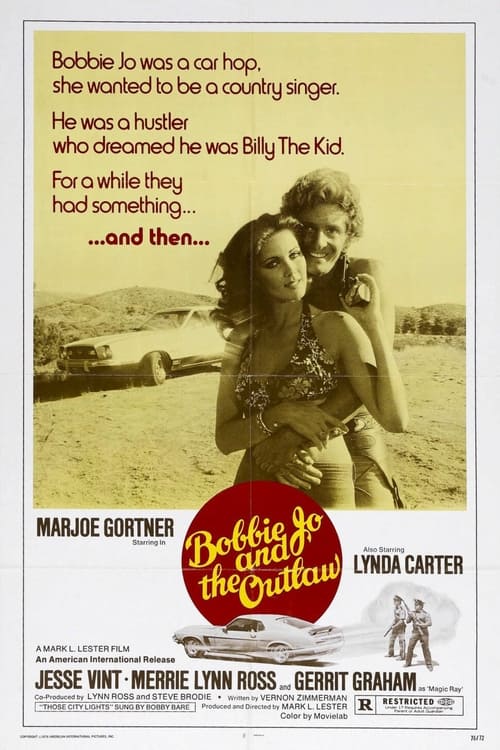
Bobbie Jo and the Outlaw is a period-specific exploitation film that emphasizes genre clichés over social complexity. While it offers a minor subversion of gender roles by placing a woman in a position of active criminality, the film ultimately reinforces conventional archetypes. The narrative lacks depth in exploring multiple aspects of identity, focusing instead on a standard outlaw romance. It fails to challenge the historical dominance of the Western genre or provide meaningful representation for underrepresented groups. Ultimately, the film serves as a commercial genre exercise that upholds the status quo of its era rather than deconstructing systemic power structures.
Category Breakdown
The film focuses on a traditional romantic relationship between the female lead and her outlaw partner, following the heterosexual norms typical of 1970s exploitation cinema.
Bobbie Jo transitions from a carhop to a criminal, disrupting genre norms. However, her role remains closely linked to the male lead's journey as an outlaw.
The film reflects the homogeneous casting practices of mid-1970s genre filmmaking. There is no indication of significant racial diversity or non-white protagonists.
The story explores rebellion through theft and chaos. It operates as a standard genre exercise in breaking rules rather than critiquing societal institutions.
There is no clear depiction of physical or neurodivergent disabilities within the narrative.
Present on Screen
Limited or Absent
Official Synopsis
Aimless country girl Bobbie Jo Baker abandons her carhop job to join Wild West outlaw wannabe Lyle Wheeler for an adventure in theft, mayhem, and murder.
1973
1974

1970
1971
1974
1950

1974
1973
No reviews yet. Be the first to share your thoughts on this movie!
Use the rating form above to leave a star rating and optional review.