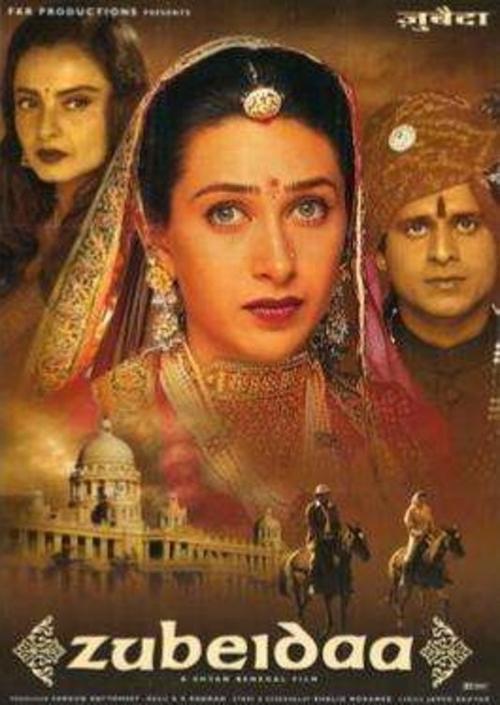
Zubeidaa
2001
No user ratings available yet
Representation score: 5.9 out of 10
Representation Score
Good
1983
Director
Kamal Amrohi
Runtime
151 minutes
Average Rating
No ratings yetNew Showbiz Analysis
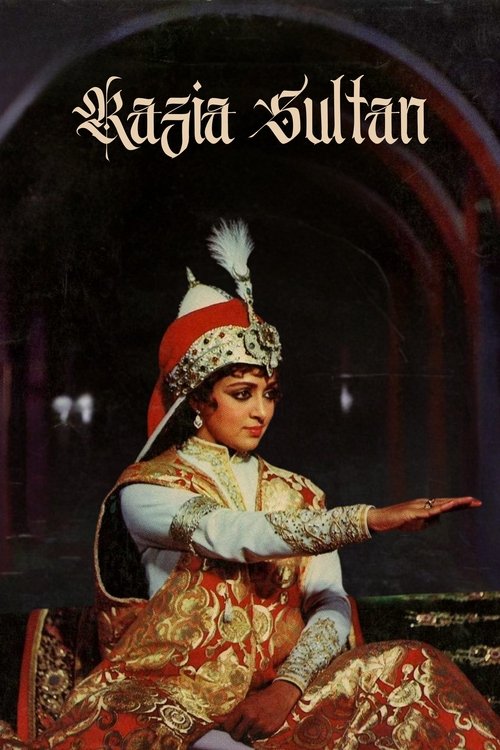
Razia Sultan is a powerful historical revisionist narrative centered around a woman navigating a patriarchal political landscape. The film effectively deconstructs traditional leadership hierarchies by giving the protagonist significant military and governing authority. The inclusion of the Abyssinian character Yakut provides a nuanced look at ethnic diversity within a multi-ethnic empire, challenging the homogeneity often found in period dramas. However, the film remains focused on conventional romantic structures and lacks explicit exploration of non-assuming gender matches what was assigned at birth identities or disability representation.
Category Breakdown
The story focuses on a romantic relationship between Razia and Yakut, which challenges established social and racial hierarchies.
Razia Sultan exercises absolute political and military authority, disrupting traditional gender roles and driving the plot with her intellect.
The film includes the character of Yakut, who represents the Abyssinian diaspora, adding ethnic diversity and challenging the homogeneity of the ruling class.
The narrative critiques the rigid institutions and traditionalist nobility of the time, exploring the tension between individual authority and systemic power structures.
There is no documented evidence regarding the portrayal of physical or neurodivergent disabilities in this work.
Present on Screen
Limited or Absent
Official Synopsis
The film is based on the life of Razia Sultan (1205–1240), the only female Sultan of Delhi (1236–1240) and her speculated love affair with the Abyssinian slave, Jamal-ud-Din Yakut.
2001

1954
2018
2001
2022

2014

1963

2018
No reviews yet. Be the first to share your thoughts on this movie!
Use the rating form above to leave a star rating and optional review.