Boycott
1930
No user ratings available yet
Representation score: 2.4 out of 10
Representation Score
Limited
1934
ApprovedDirector
Edwin Carewe
Runtime
70 minutes
Average Rating
No ratings yetNew Showbiz Analysis
Edwin Carewe's drama stands out for its ambitious approach to sociopolitical issues, moving beyond simple entertainment to criticize the rise of totalitarianism. By addressing 'man's inhumanity to man,' the film tackles global humanitarian themes that were ahead of its time. However, the work is still bound by the social norms of 1934. The absence of diverse identities and adherence to traditional dramatic structures indicate a narrative that, while progressive in theme, remains conventional in its casting and character development.
Category Breakdown
The film doesn't provide any clear evidence of stories involving LGBTQ+ identities or non-cisgender characters. It probably follows the assumption that everyone is straight and cisgender, which was common in 1934.
Anita Louise stars in the lead role, but the film likely follows the traditional 1930s practice of assigning women to emotional roles rather than powerful ones.
The exact racial makeup of the cast isn't confirmed. While director Edwin Carewe often worked with diverse casts, the film may still follow the standard practice of the studio system, which wasn't always diverse.
The film gets credit for its critique of oppressive political systems. It tries to show the inhumanity of totalitarian regimes.
There is no information available about the portrayal of physically or neurodivergent characters in this film.
Present on Screen
Limited or Absent
Official Synopsis
1934 drama of man's inhumanity to man, starring William Farnum and Anita Louise, directed by Edwin Carewe, screenplay by Harold Sherman. This film was meant to denounce Hitler prior to US involvement in WWII
1930
1939
1934
1981
1940
1935
1973
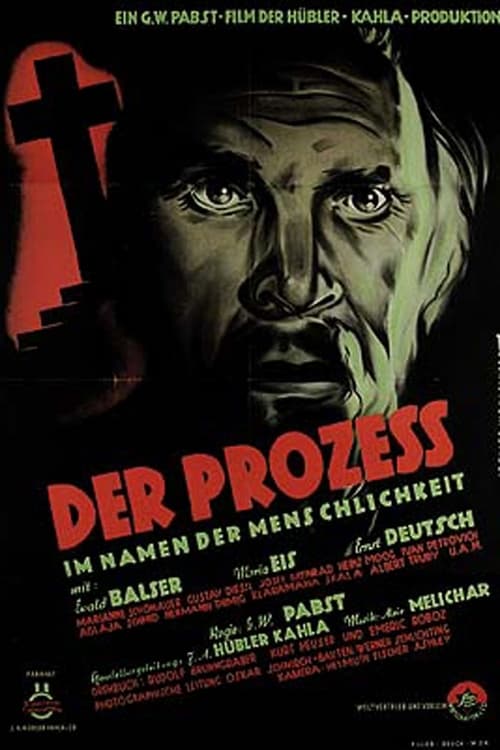
1948
No reviews yet. Be the first to share your thoughts on this movie!
Use the rating form above to leave a star rating and optional review.