
Creswick
2017
No user ratings available yet
Diversity score: 4.1 out of 10
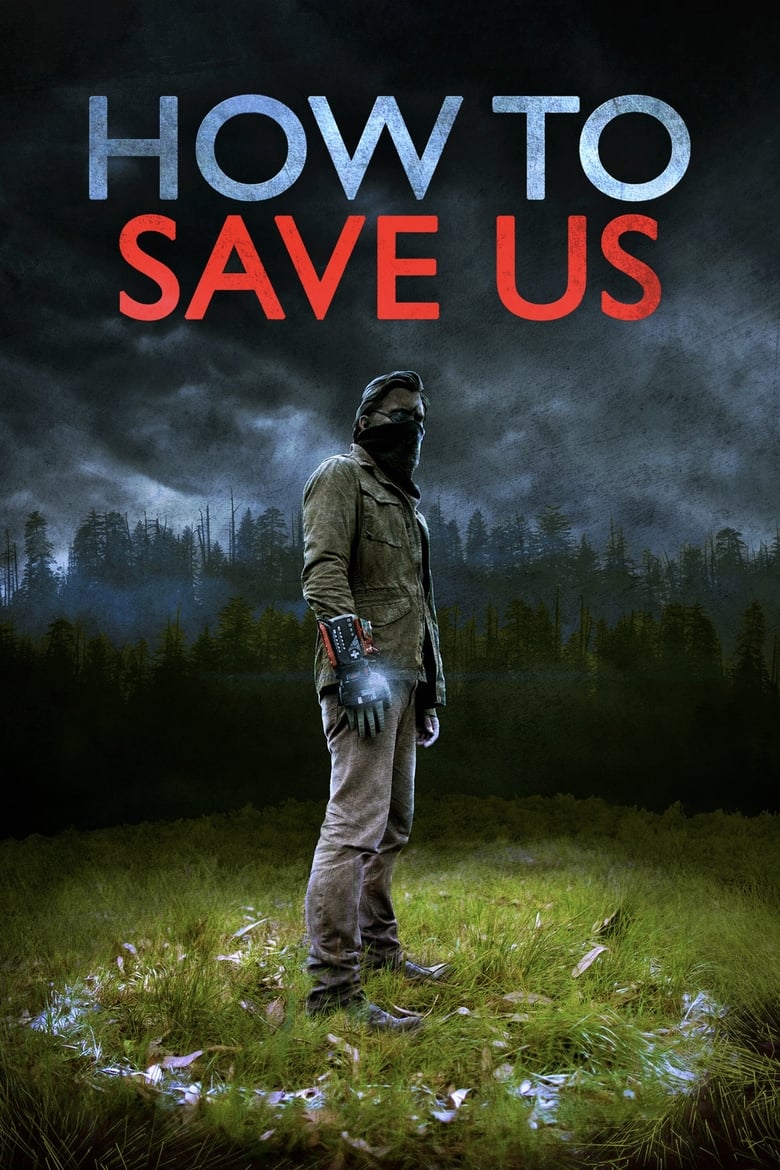
2014
NRDirector
Jason Trost
Runtime
78 minutes
Average Rating
No ratings yetSynopsis
Brian Everett's younger brother Sam goes missing on the island of Tasmania during the middle of a mysterious quarantine forcing Brian to traverse across enemy lines to save his brother from an army of ghosts.
Overall Score
Limited
Category Breakdown
LGBTQ+ Representation
The film lacks explicit mention of LGBTQ+ characters or non-cisnormative identities. There is no visible evidence of queer narratives or same-sex intimacy within the core story.
Gender Representation
The plot centers on a fraternal bond between brothers, emphasizing masculine-coded protective instincts. It lacks evidence of female characters with high agency or the subversion of traditional gender roles.
Racial & Ethnic Diversity
The setting and premise provide no information regarding the racial composition of the cast. There is no indication of a non-white majority or diverse ethnic representation.
Religious & Cultural Diversity
The narrative follows a traditional hero's journey focused on saving a family member. It lacks clear evidence of systemic critiques or the deconstruction of conventional moral structures.
Disability Representation
There is no evidence of physical, neurodivergent, or mental health conditions being depicted in the narrative.
Strengths
Areas for Improvement
AI Analysis
How to Save Us operates within a traditional survivalist horror framework. The story prioritizes a singular, masculine-coded mission of familial protection, which limits the scope for broader social or identity-based exploration. The narrative architecture focuses on individual agency and the hero's journey through a quarantine zone. This structure tends to favor conventional moral archetypes rather than the inclusion of intersectional perspectives or systemic critiques. Ultimately, the film lacks verifiable evidence of diverse casting or progressive identity politics, resulting in a narrow focus on a specific fraternal dynamic.
2017

2008
2016
2017
2016
2012
2020

2014
2010

2014
2013

2019
No reviews yet. Be the first to share your thoughts on this movie!
Use the rating form above to leave a star rating and optional review.