Absentia
2011
No user ratings available yet
Representation score: 4.7 out of 10
Representation Score
Good
2015
PG-13Director
Jennifer B. White
Runtime
89 minutes
Average Rating
No ratings yetNew Showbiz Analysis
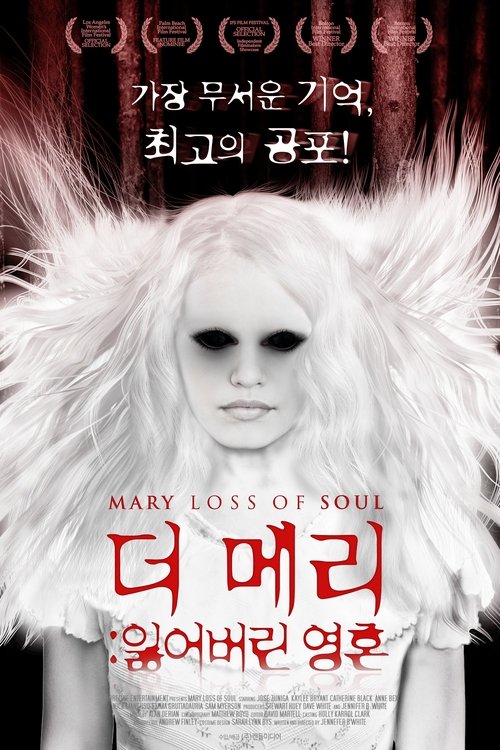
The film uses supernatural horror to explore themes of trauma and identity. It excels in using metaphysical concepts to reflect psychological struggles, especially through the protagonist's fragmented state. However, the narrative remains within traditional frameworks. While it includes non-Western spiritual elements via a Shaman, it lacks deeper multi-layered complexity or broad social critique.
Category Breakdown
The film does not include explicit representations of LGBTQ+ characters or non-cisgender identities. It focuses on traditional dramatic elements without showing any queer-coded subtext or same-sex relationships.
The story centers around the female experience through characters like Mary and Sophia. While it delves into the female perspective on trauma, it upholds traditional family structures without challenging gender roles.
A Shaman plays a crucial role, bringing in non-Western spiritual beliefs. However, the ethnic backgrounds of the Solis family and the Shaman are not specified.
The film explores esoteric spiritualities and the spirit world. Although it moves beyond a singular Christian morality, the core conflict is grounded in traditional Western family values.
Mary’s condition is used as a metaphor for invisible psychological or spiritual disabilities. This allows for a supernatural exploration of memory loss and fragmented identity.
Present on Screen
Limited or Absent
Official Synopsis
After vanishing from her family’s lake house, 15 year-old Mary Solis returns without any memory of the traumatic events she experienced—and without part of her soul. Even while a shocking mystery surrounds her disappearance, and her disembodied soul begins a grim haunting, the Solis family’s biggest fear has yet to be faced. When it’s discovered that two little girls, the same age as Mary’s sister, Sophia, went missing on the lake the very night that Mary disappeared, the stakes are raised. Is Mary suffering from a centuries old condition known as Loss of Soul? Or, is it something more nefarious? After enlisting the help of a Shaman, the Solis family embarks on a journey to the spirit worlds, hunting for a supernatural cure.
2011
2020
2005
2012
2018
2018
2019

2012
No reviews yet. Be the first to share your thoughts on this movie!
Use the rating form above to leave a star rating and optional review.