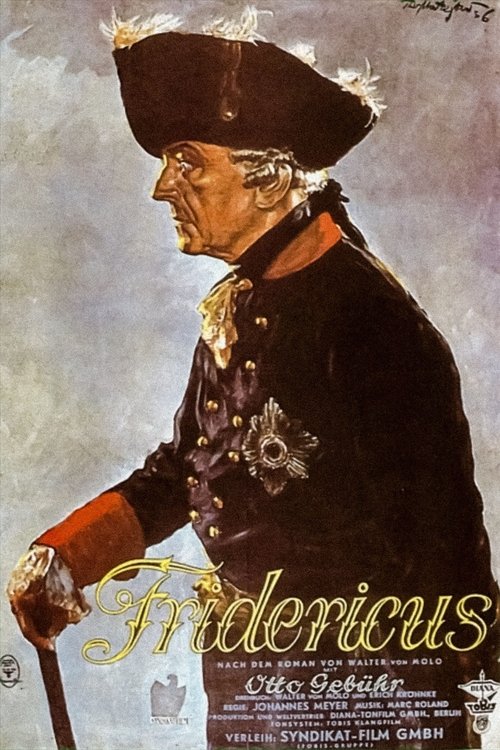
Fridericus
1937
No user ratings available yet
Representation score: 0.8 out of 10
Representation Score
Minimal
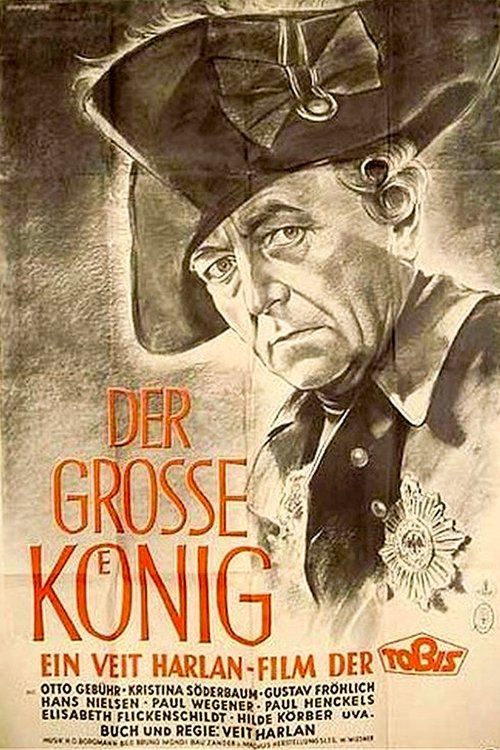
1942
Director
Veit Harlan
Runtime
118 minutes
Average Rating
No ratings yetNew Showbiz Analysis
The film is a historical drama that upholds traditional social and political hierarchies. It centers on the idea of a 'Great Man' leading the state, emphasizing the need for a strong, competent leader. By focusing on national duty and masculine military command, the work avoids questioning power dynamics. The narrative structure supports the status quo without offering complexity related to multiple identities. Overall, the production reflects the ideological framework of its time, depicting a world defined by ethnic homogeneity and strict, state-imposed social structures.
Category Breakdown
The film does not include any representation of LGBTQ+ identities or non-cisgender narratives. It focuses solely on traditional heterosexual relationships.
The movie emphasizes traditional masculine roles and military authority, reinforcing gender hierarchies without challenging them.
The cast is shown as a uniform group of Europeans, reflecting the historical norm of ethnic homogeneity without introducing diverse perspectives.
The story highlights the importance of monarchy and military institutions, promoting a singular, patriotic viewpoint centered around state authority.
There are no characters with visible or invisible disabilities featured in the film. Disability is not used as a meaningful part of character development.
Present on Screen
Limited or Absent
Official Synopsis
King Frederick II (aka "Frederick the Great") of Prussia is engaged in a major battle against the Austrian army at Kunersdorf, and things aren't going well. The Austrians are inflicting major casualties, and his army is beginning to crumble. Defeat seems inevitable when a combination of events gives him hope that he may pull victory from the jaws of defeat after all.
1937

1944
1985

1970

1974
1951
2024

1964
No reviews yet. Be the first to share your thoughts on this movie!
Use the rating form above to leave a star rating and optional review.