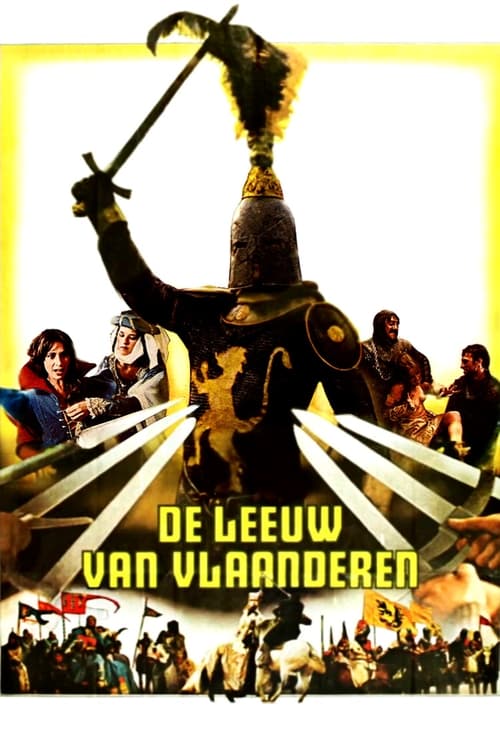
The Lion of Flanders
1985
No user ratings available yet
Representation score: 0.5 out of 10
Representation Score
Limited
1974
Director
Jan Rybkowski
Runtime
98 minutes
Average Rating
No ratings yetNew Showbiz Analysis
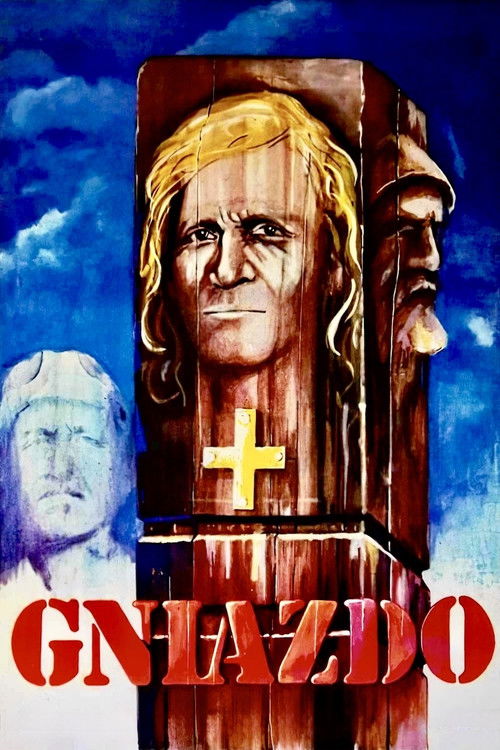
The Nest is a traditional historical epic that prioritizes national myth and the mechanics of power. It functions as a study of state-building and the consolidation of central authority during the 10th century. Since the film adheres to the social structures of its period, it lacks contemporary characters who reflect more than one aspect of diversity. The narrative structure reinforces the historical significance of the Battle of Cedynia rather than disrupting social hierarchies. Ultimately, the film serves as a period piece focused on the emergence of Polish autonomy, making it a study of geopolitical identity rather than modern social diversity.
Category Breakdown
The film focuses on 10th-century geopolitical alliances and military victory. There is no depiction of non-traditional gender identities or stories challenging the assumption that everyone is straight.
Leadership and military command are shown through a masculine perspective, reflecting the era's social norms. The narrative centers on the competence and leadership of Mieszko.
Casting reflects the demographic realities of 10th-century Central Europe. The story explores the tension between local Polish identity and the external influence of the Holy Roman Empire.
The film explores the practical needs of statecraft and national survival. It prioritizes sovereignty over external religious or imperial directives within its historical context.
The narrative focus remains strictly on political and military maneuvers. There is no evidence of the portrayal of physical or neurodivergent disabilities.
Present on Screen
Limited or Absent
Official Synopsis
Told in flashback as Mieszko lies feverish in his bed just before the Battle of Cedynia, Gniazdo recounts how the revered leader extended Poland's borders, formed an alliance with Emperor Otto I, and ultimately strengthened his country's autonomy by achieving victory during that crucial battle in the year 972.
1985
1944
1937

1999
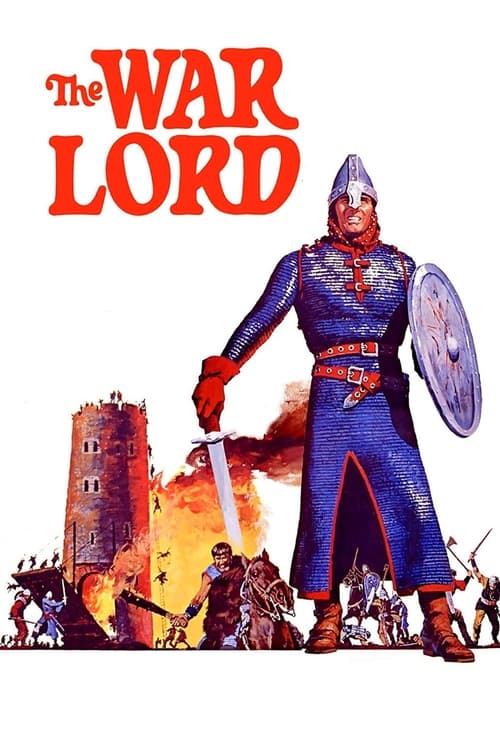
1965
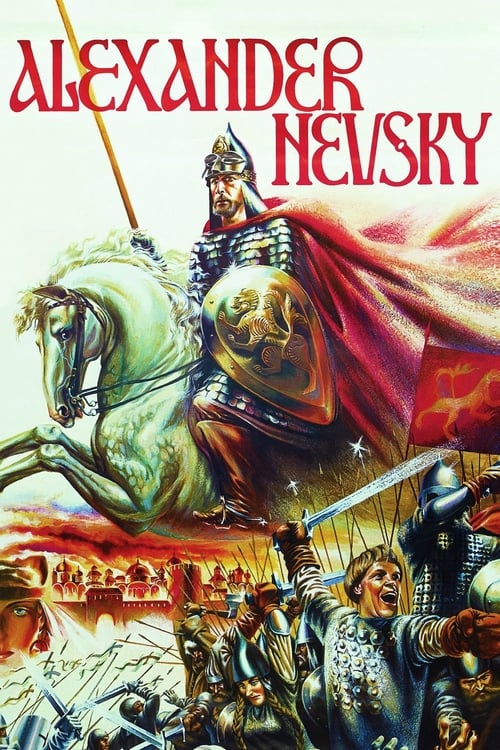
1938
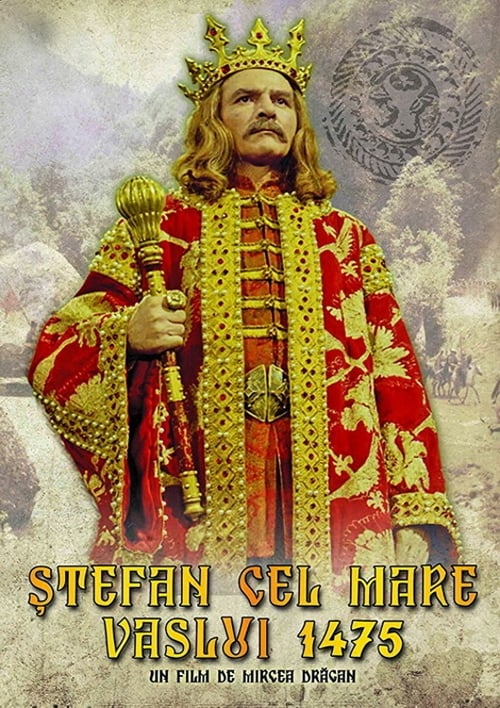
1975
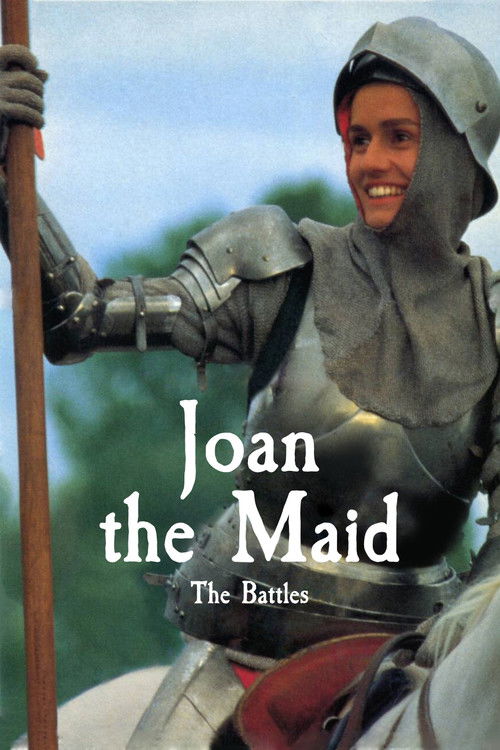
1994
No reviews yet. Be the first to share your thoughts on this movie!
Use the rating form above to leave a star rating and optional review.