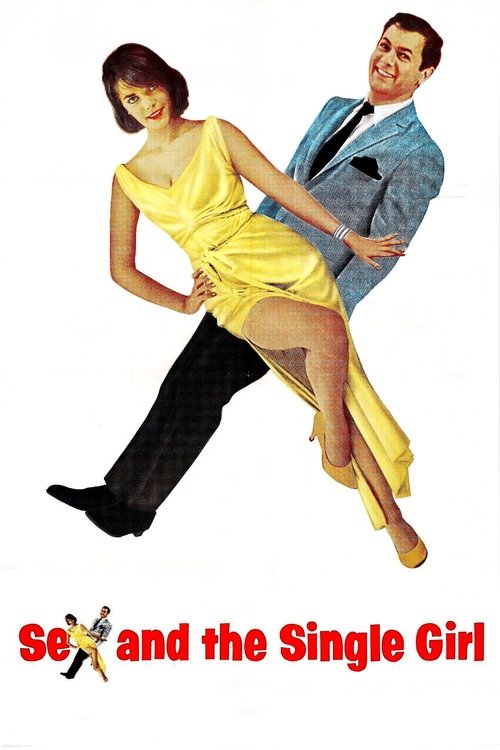
Sex and the Single Girl
1964
No user ratings available yet
Diversity score: 2.4 out of 10

1962
Runtime
37 minutes
Average Rating
No ratings yetSynopsis
Unfinished remake of "My Favorite Wife", due to the firing of Marilyn Monroe from the film. She was eventually re-hired, but died in August, 1962. Film was never completed.
Overall Score
Limited
Category Breakdown
LGBTQ+ Representation
The film adheres strictly to the heteronormative social structures of the early 1960s. There is no evidence of non-cisnormative identities or same-sex intimacy.
Gender Representation
The female protagonist drives the central emotional arc and demonstrates significant personal autonomy. However, the resolution remains tethered to traditional romantic tropes and mid-century social expectations.
Racial & Ethnic Diversity
The cast is predominantly homogeneous, reflecting the systemic casting patterns of the era. The production lacks visible racial or ethnic diversity, focusing on a narrow, affluent demographic.
Religious & Cultural Diversity
The narrative emphasizes the values and social mores of the upper-class American experience. It reinforces traditional institutions like marriage and the social hierarchies of wealth.
Disability Representation
There is no discernible focus on physical or neurodivergent representation within the production.
Strengths
Areas for Improvement
AI Analysis
This unfinished production serves as a quintessential example of 1960s mainstream cinema. While it offers some degree of female agency through its central character, it remains deeply embedded in the era's traditional social hierarchies. The film's focus is narrow, centering on a privileged, white, upper-class demographic. This lack of racial and cultural breadth reinforces the status quo of the Western studio system rather than challenging it. Ultimately, the work functions within a standard romantic comedy framework. It navigates the friction between individual desire and social norms without attempting to dismantle established gender or racial structures.
1964
1951

1950
1941
1948

1949
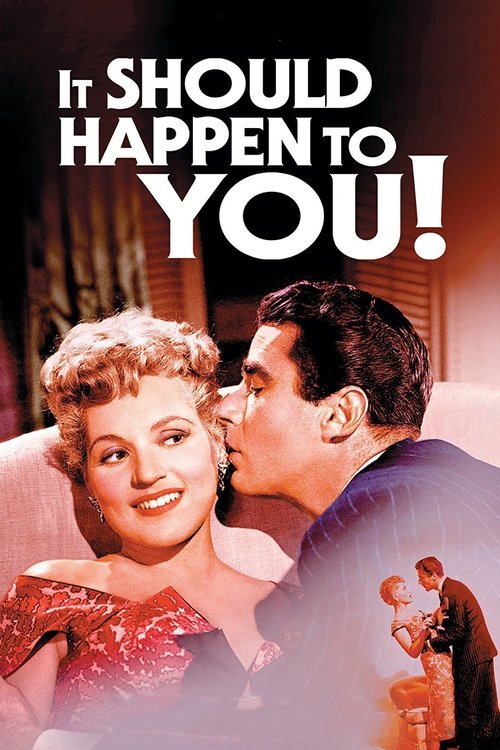
1954
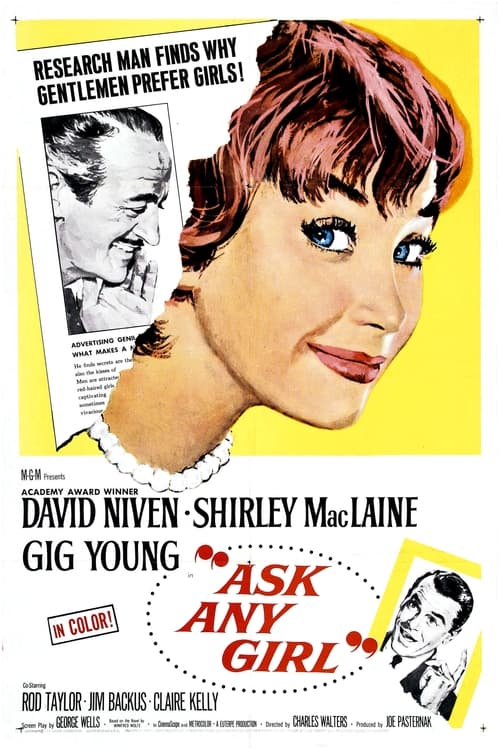
1959
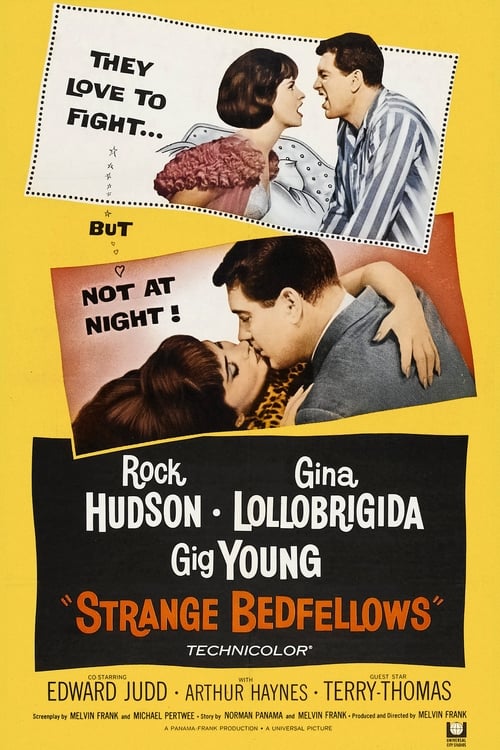
1965
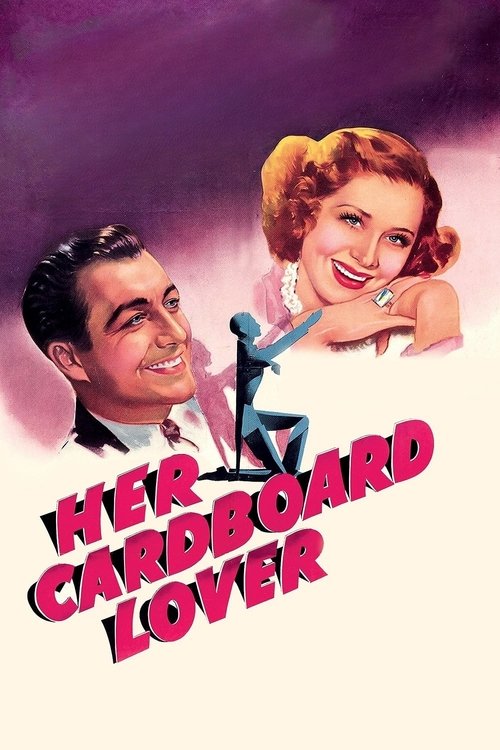
1942

1957
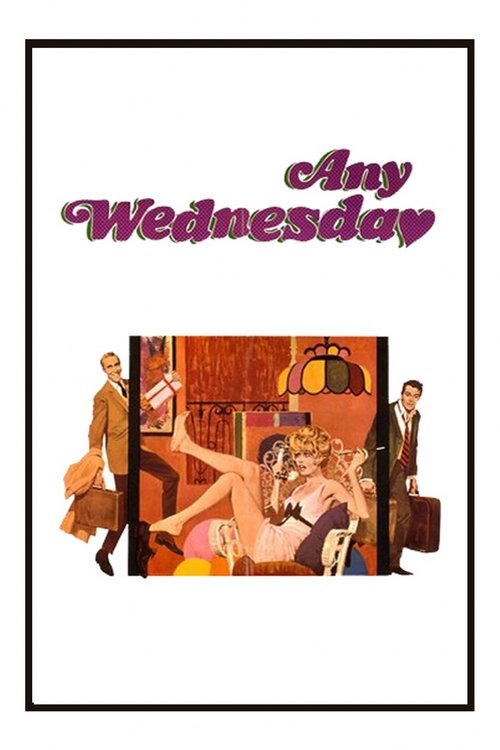
1966
No reviews yet. Be the first to share your thoughts on this movie!
Use the rating form above to leave a star rating and optional review.