Jigsaw
1968
No user ratings available yet
Representation score: 2.4 out of 10
Representation Score
Limited
1965
Director
André Cayatte
Runtime
115 minutes
Average Rating
No ratings yetNew Showbiz Analysis
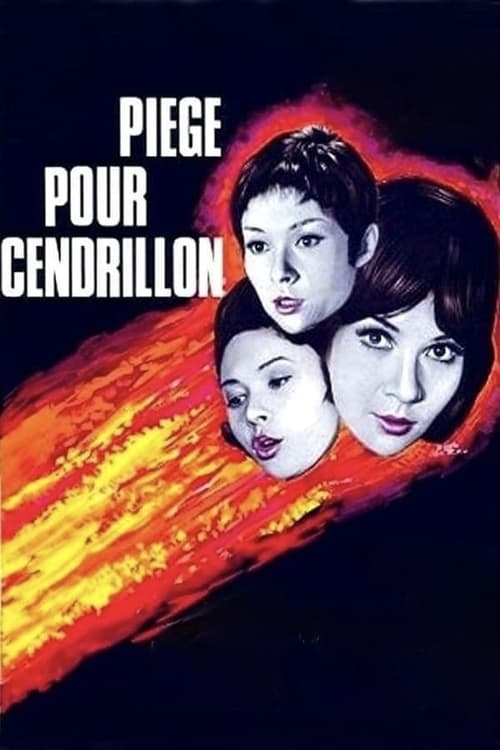
A Trap for Cinderella is a psychological thriller rooted in the mid-1960s European tradition. It prioritizes genre clichés and tension over diverse representation, resulting in a low overall diversity score. The film succeeds in challenging traditional gender hierarchies by centering on the psychological maneuvers of female captives, providing a more complex look at survival than typical genre fare of the era. However, the production lacks demographic breadth, featuring a predominantly white and homogeneous cast, and identity-driven narratives are absent, with disability used more as a plot device than a character study.
Category Breakdown
The film does not include any identifiable LGBTQ+ characters or narratives. The interpersonal dynamics focus on survival within a captive environment, offering no queer subtext or non-traditional gender identities.
Female characters show significant psychological strength and resilience despite the predatory male presence. The narrative emphasizes their survival instincts and psychological maneuvering rather than portraying them as passive victims.
The cast is predominantly white and homogeneous, reflecting the 1965 French cinematic landscape. There is no evidence of racial blending or diverse ethnic representation.
The story critiques social order through the breakdown of institutions in an isolated setting. It lacks specific political or religious frameworks, focusing instead on human morality.
Amnesia serves as a central plot device and a catalyst for mystery. However, the condition is used primarily for suspense rather than a nuanced exploration of neurodivergence.
Present on Screen
Limited or Absent
Official Synopsis
Based on Sébastien Japrisot's novel, the story revolves around a young girl who suffers from amnesia after surviving a terrible fire.
1968
1965
1978
1965
1960
1971

1951
1991
No reviews yet. Be the first to share your thoughts on this movie!
Use the rating form above to leave a star rating and optional review.