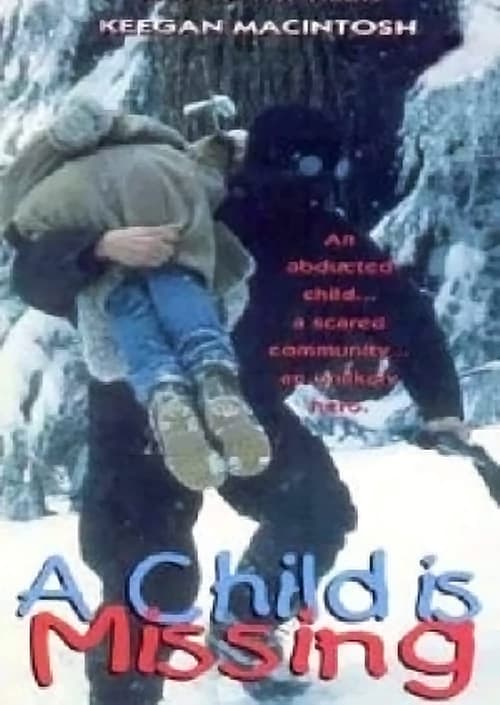
A Child Is Missing
1995
No user ratings available yet
Representation score: 2.5 out of 10

Representation Score
Minimal
1986
RDirector
Bruce Malmuth
Runtime
97 minutes
Average Rating
No ratings yetNew Showbiz Analysis
This thriller functions as a standard suspense piece, prioritizing the emotional stakes of a single family unit. It adheres to the traditional social structures and narrative clichés of the 1980s. The film lacks complexity in how it addresses multiple aspects of identity, focusing instead on the preservation of the nuclear family and the effectiveness of local institutions. It does not attempt to disrupt social hierarchies or explore broader cultural perspectives. Ultimately, the production reflects the demographic and social norms of its era, offering a conventional experience rather than a diverse or subversive one.
Category Breakdown
The film focuses on a nuclear family and community crisis. It does not include any non-straight or non-cisgender identities or narratives that address the assumption that everyone is straight or cisgender.
The story centers on maternal anxiety and Nancy Eldridge's protective instincts. While she has emotional ability to act, her role aligns with traditional depictions of motherhood.
The cast is largely homogeneous, reflecting the demographic norms of a mid-80s rural American thriller. It lacks diverse ethnic perspectives.
The film operates within a traditional Western framework emphasizing family sanctity. It does not critique religion or Western institutions.
There are no characters with visible or invisible disabilities integrated into the narrative. The focus remains on the kidnapping and investigation.
Present on Screen
Limited or Absent
Official Synopsis
In Cape Cod, Missy and Michael, the two children of Nancy Eldridge, are kidnapped by a man who has disturbing intentions for them. Local police chief Ed Coffin wrongfully suspects that Nancy is behind the disappearances.
1995

1993
2012
2016

2011

1999

2018

2014
No reviews yet. Be the first to share your thoughts on this movie!
Use the rating form above to leave a star rating and optional review.