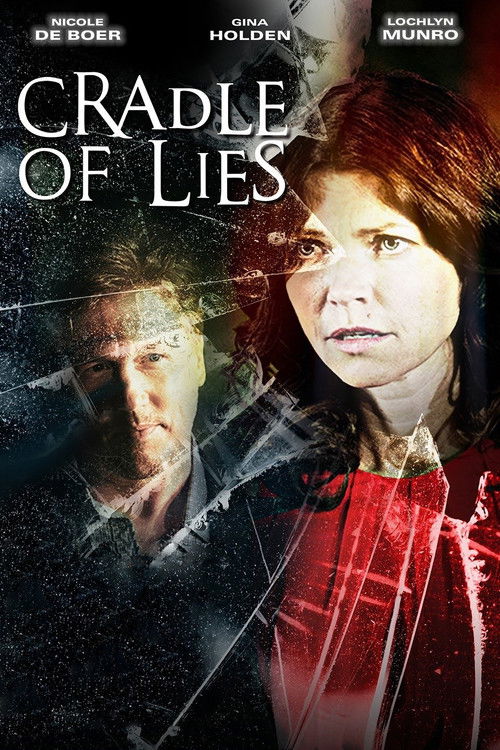
Cradle of Lies
2016
No user ratings available yet
Representation score: 2.3 out of 10
Representation Score
Limited
2022
TV-MADirector
Christophe Charrier
Runtime
93 minutes
Average Rating
No ratings yetNew Showbiz Analysis
The film functions as a traditional psychological thriller, emphasizing individual suspense and mystery. The narrative structure centers on a single domestic tragedy rather than broader sociological themes. While the protagonist's amnesia and coma provide insight into neurological vulnerability, the film does not explore multi-layered complexities. It does not challenge social hierarchies or engage with systemic power dynamics. Overall, the film is a character-driven drama focusing on personal recovery and memory loss, without addressing diverse representation or systemic critiques.
Category Breakdown
The film does not include any characters or themes related to LGBTQ+ identities or queer experiences. The story focuses solely on the protagonist's family trauma.
Anna, a female psychologist, holds a position of professional authority. However, the film does not challenge traditional gender roles or hierarchies.
The story is set in a localized French domestic environment. There is no indication of diverse casting or the breaking of traditional racial stereotypes.
The film examines the trauma and fragility of the family unit within a standard psychological mystery. It does not address cultural or secularist issues.
Thomas deals with significant neurological vulnerabilities after a three-year coma, providing a focus on cognitive impairment and memory loss.
Present on Screen
Limited or Absent
Official Synopsis
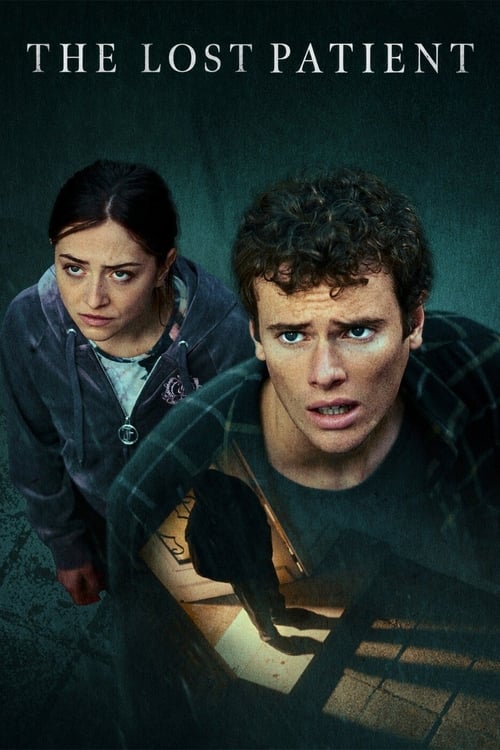
The 19 years old Thomas wakes up in a hospital after three years in a coma. He doesn't remember anything. The psychologist Anna tells him that his family has been murdered and that he is the only survivor of the massacre while his sister Laura is still missing.
2016
2013
2016

2018
2008
2014

2025

1996
No reviews yet. Be the first to share your thoughts on this movie!
Use the rating form above to leave a star rating and optional review.