Ben 10,010
2021
No user ratings available yet
Representation score: 5.4 out of 10
Representation Score
Minimal
2005
TV-YDirector
Butch Hartman, Kevin Petrilak, Wincat Alcala
Runtime
50 minutes
Average Rating
No ratings yetNew Showbiz Analysis
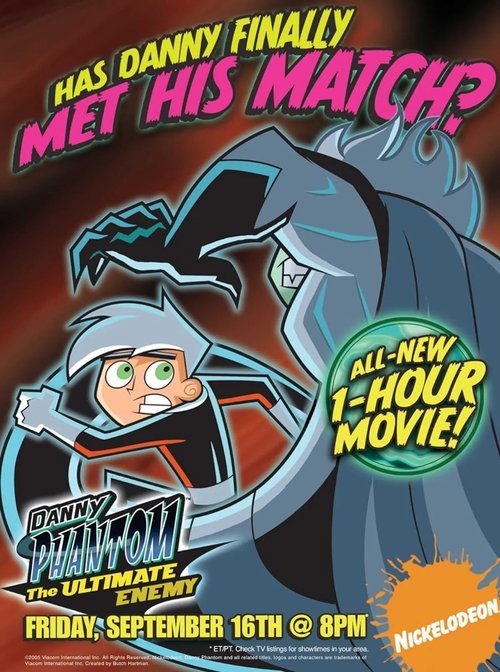
The film is a conventional genre piece that prioritizes the hero's journey and character-driven conflict over social representation. It focuses on the psychological duality of the protagonist and the consequences of power rather than identity politics. While Sam Manson offers a degree of women's ability to drive the story that avoids passive clichés, the work remains aligned with traditional storytelling norms. It does not actively seek to challenge established social or cultural hierarchies.
Category Breakdown
The film lacks LGBTQ+ characters and does not explore non-straight relationships. Romantic tension stays within traditional heterosexual frameworks.
Sam Manson provides meaningful representation through her strong-willed personality and active role in driving the story. However, power dynamics remain centered on the male protagonist.
The ensemble is predominantly Caucasian-coded. The narrative lacks intentional integration of diverse ethnic backgrounds within the core cast.
The story follows a standard heroic framework with a clear dichotomy between good and evil. It lacks anti-establishment or anti-capitalist critiques.
There are no visible or invisible disabilities portrayed. No characters have narratives shaped by physical impairment or neurodivergence.
Present on Screen
Limited or Absent
Official Synopsis
Danny and his friends get caught up in a time-traveling adventure. They are taken into a dark future, in which Amity Park is destroyed and the world's most powerful and evil ghost is Danny's own future self!
2021
2003
2014

2001
2010
2007
2010
2006
No reviews yet. Be the first to share your thoughts on this movie!
Use the rating form above to leave a star rating and optional review.