
He-Man and She-Ra: The Secret of the Sword
1985
No user ratings available yet
Representation score: 3.7 out of 10

Representation Score
Minimal
1985
PGDirector
Bill Reed, Ernie Schmidt
Runtime
44 minutes
Average Rating
No ratings yetNew Showbiz Analysis
This animated special reinforces traditional 1980s storytelling conventions. It provides a progressive baseline for its era by granting female characters high levels of combat proficiency and ability to act, yet it remains limited by the period's narrow representational scope. The narrative lacks depth in representing multiple aspects of identity, relying on a homogeneous visual palette and a singular cultural lens. While the dual-protagonist structure offers a more balanced power dynamic compared to many contemporary action adventures, the work does not seek to challenge established social hierarchies or explore diverse identities.
Category Breakdown
The special adheres to the straight-centered standards of 1980s children's programming. It lacks any depiction of non-straight or non-cisgender identities or same-sex intimacy.
She-Ra serves as an equal counterpart to He-Man, providing a balanced distribution of power. Both protagonists have significant roles in driving the story, but the film does not actively challenge traditional masculinity.
The character designs follow the homogeneous aesthetic of the franchise. While Earth children Alisha and Manuel are included, race is not used as a meaningful narrative driver.
The story relies on traditional Western holiday clichés and a singular 'spirit of Christmas.' It reinforces established social harmony rather than engaging with moral relativism.
There is no visible or invisible disability representation. Characters are portrayed through a lens of idealized physical capability without narratives regarding neurodivergence or illness.
Present on Screen
Limited or Absent
Official Synopsis
In this special Christmas episode of the He-Man and She-Ra cartoons, their sidekick Orko accidentally gets beamed to Earth during a test of a new spy satellite. Orko manages to get back Planet Eternia, but brings along two Earth children, Alisha and Manuel, with him. Since it's Christmastime on Earth, the kids are naturally filled with the holiday spirit, but this overflowing goodwill attracts the unwelcome attention of the Horde Prime and Skeletor. Will the combined power of He-Man, She-Ra and the spirit of Christmas be enough to stop them?
1985

1987
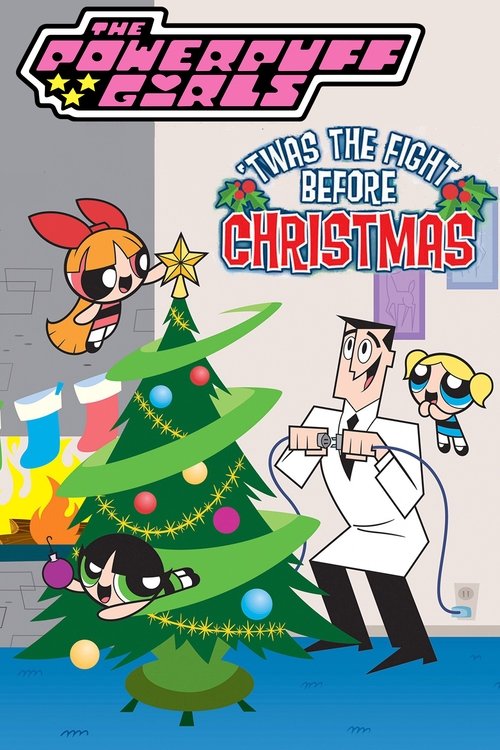
2003
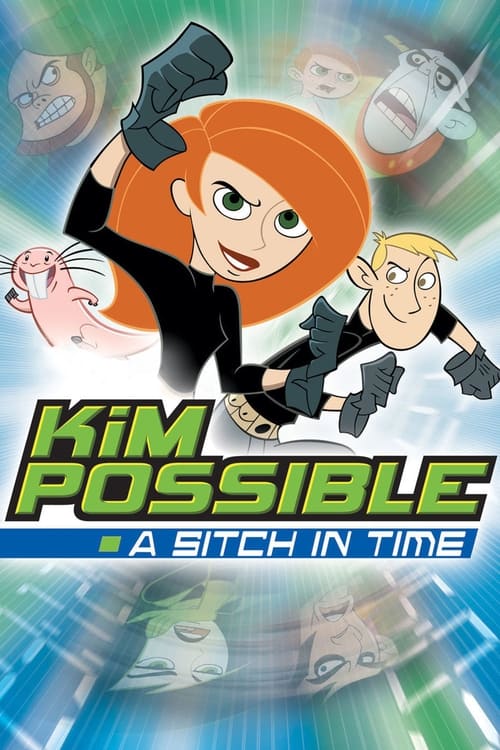
2003
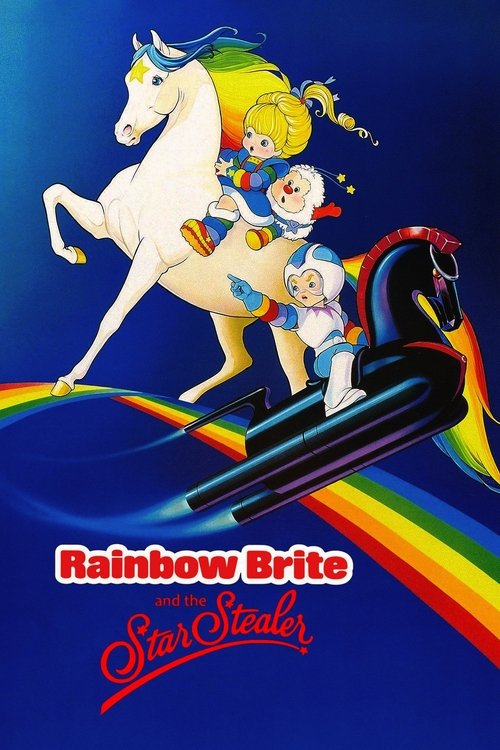
1985
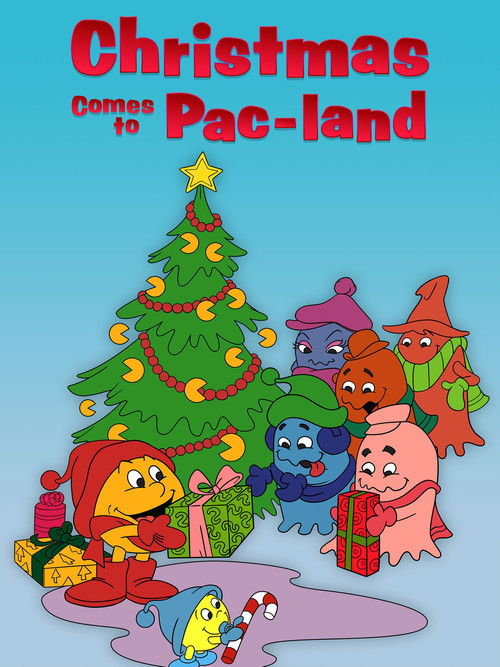
1982
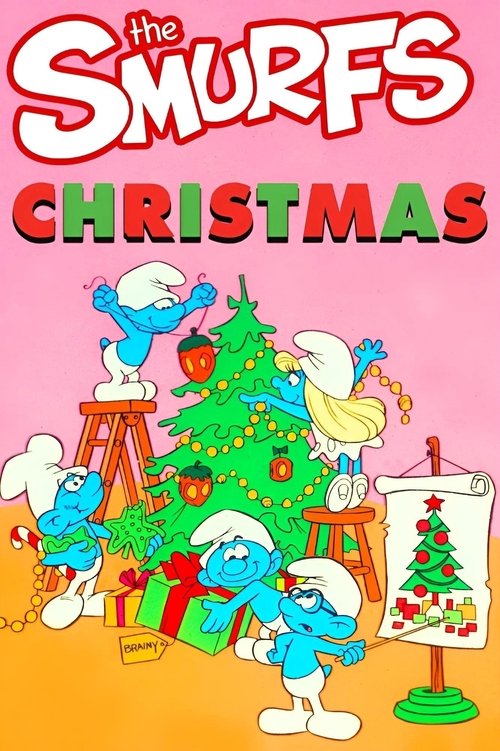
1982
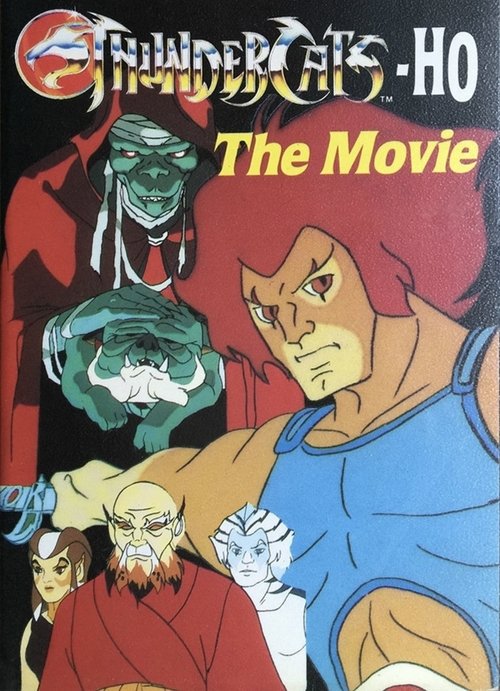
1987
No reviews yet. Be the first to share your thoughts on this movie!
Use the rating form above to leave a star rating and optional review.