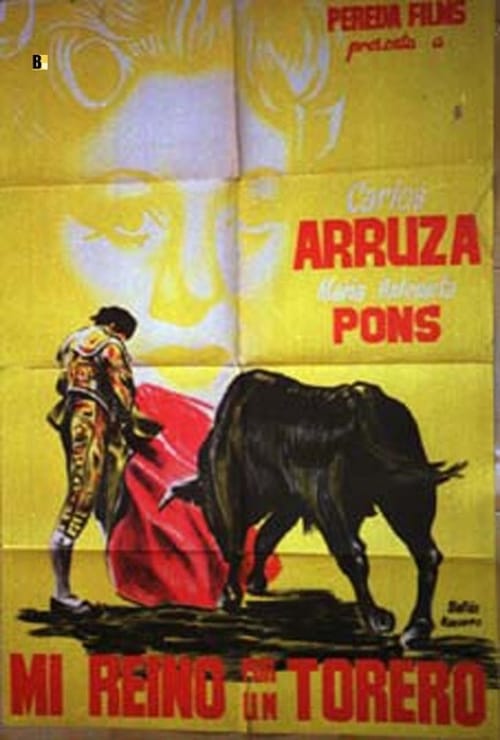
Mi reino por un torero
1944
No user ratings available yet
Representation score: 1.3 out of 10
Representation Score
Limited
1942
Director
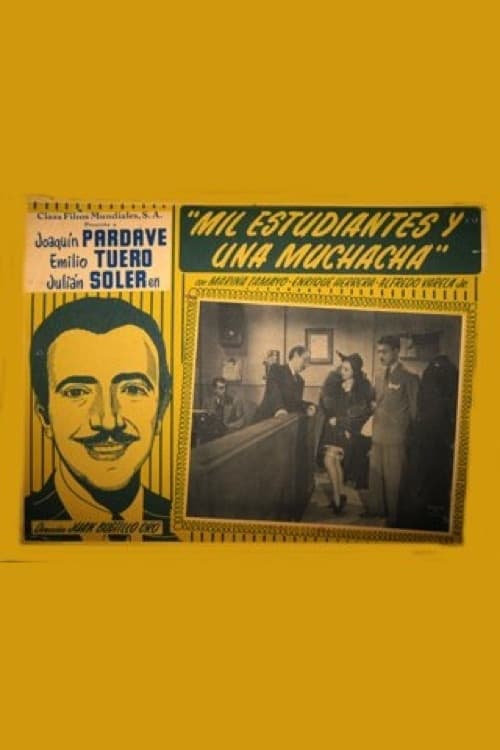
Juan Bustillo Oro
Runtime
136 minutes
Average Rating
No ratings yetNew Showbiz Analysis
This film serves as a cultural artifact of mid-century Mexican cinema, prioritizing established social hierarchies and traditional romantic structures. The narrative relies on the 'student life' cliché to celebrate youthful energy within a stable, conventional framework. While the film offers a localized perspective of the academic middle class, it does not deconstruct systemic power dynamics. Instead, it reinforces the status quo through its focus on institutional respectability and heterosexual courtship. Ultimately, the work reflects 1942 social norms rather than serving as a vehicle for progressive change, maintaining the era's standard cinematic language.
Category Breakdown
The film follows traditional 1940s courtship rituals and does not depict any non-cisgender identities or same-sex relationships, focusing instead on heterosexual relationships.
Ana plays a central role in the plot but primarily serves as an object of desire. Power dynamics are centered around male students and paternal figures.
The cast is predominantly homogeneous, reflecting the national identity of the Golden Age period. It lacks diverse casting or markers to challenge mid-century social norms.
The narrative upholds established social institutions and Western values. It emphasizes academic pursuits and the sanctity of the traditional family unit.
There is no depiction of physical or neurodivergent characters. The cast follows standard student life archetypes without addressing disability.
Present on Screen
Limited or Absent
Official Synopsis
The dream of Atenodoro is to be a professor at the Faculty of Law. The students show enthusiasm for Ana, the professor’s daughter. Atenodoro resigns from his class, and the students try to make him return by pretending to be the rector and his family.
1944
1958
1948
1948

1954
1949
1951
1941
No reviews yet. Be the first to share your thoughts on this movie!
Use the rating form above to leave a star rating and optional review.