
Mário
2000
No user ratings available yet
Representation score: 3.5 out of 10
Representation Score
Fair
1983
Director
Manoel Paiva
Average Rating
No ratings yetNew Showbiz Analysis
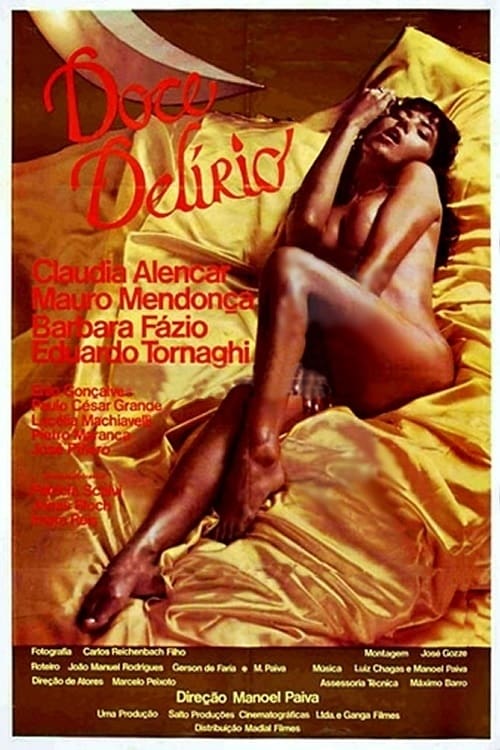
Manoel Paiva’s *Doce Delírio* captures the 'Geração 80' movement, focusing on the shift towards urban modernity. The film avoids heavy political messages and instead delves into the personal experiences of youth angst and social tension. While the film lays groundwork for exploring identity formation, it does not provide explicit LGBTQ+ representation or highlight characters of color with significant roles. Its localized setting offers cultural authenticity. Ultimately, the film’s strength lies in its challenge to traditional Western norms. By questioning parental authority and rigid social structures, it offers a nuanced, character-driven look at the disorientation of modern adolescence.
Category Breakdown
The film focuses on the typical struggles of adolescence but lacks prominent LGBTQ+ characters or stories that challenge the assumption that everyone is straight.
The narrative disrupts traditional hierarchies by centering the adolescent experience. It portrays the transition to adulthood as a period of instability that deconstructs patriarchal authority.
Set in São Paulo, the film features a mostly Brazilian cast to reflect local demographics. It emphasizes a localized, urban Brazilian perspective rather than Eurocentric ones.
The story examines urban alienation and questions traditional authority. It portrays institutions like the nuclear family as sources of conflict rather than stability.
There is no significant depiction of physical or neurodivergent disabilities in the film.
Present on Screen
Limited or Absent
2000

2006
2003
1972
1980
2002

1982
2007
No reviews yet. Be the first to share your thoughts on this movie!
Use the rating form above to leave a star rating and optional review.