
Red Desert
1964
No user ratings available yet
Representation score: 4.6 out of 10
Representation Score
Good
1965
Director
Jean Rouch
Runtime
17 minutes
Average Rating
No ratings yetNew Showbiz Analysis
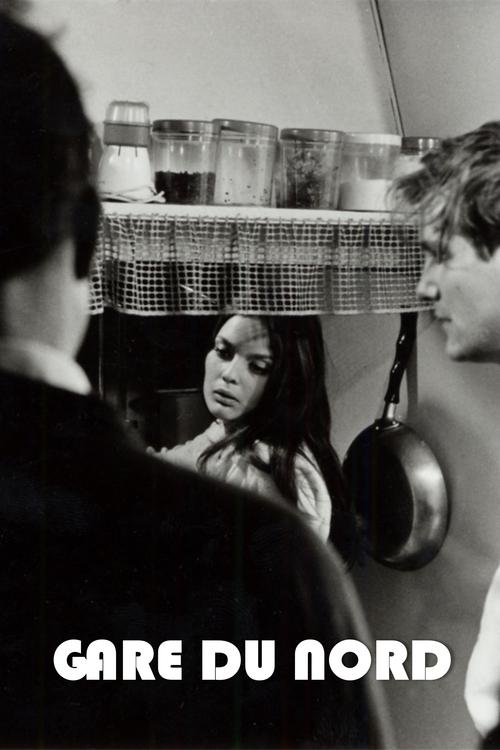
Jean Rouch’s *Gare du Nord* serves as a crucial historical document that challenges the cinematic uniformity of the 1960s. Its main strength lies in its ethnographic approach, which highlights ethnic minorities and reflects the complex post-colonial reality of Paris. While the film does not focus specifically on LGBTQ+ or disability-related themes, it dismantles the idea of a homogeneous French population. It shifts the focus from idealized depictions of women to their active roles in the urban landscape. Overall, the film operates more as a sociological study of a capitalist environment than a traditional narrative. It emphasizes the lived experiences of diverse social groups over singular cultural ideals.
Category Breakdown
The film focuses on the transit hub as a place of social interaction rather than a setting for LGBTQ+ stories. It doesn't include explicit representations of non-binary gender identities or same-sex relationships.
Women are shown as active participants in the workforce, captured in functional urban settings rather than idealized roles. The film highlights their role in the city's daily life.
The film effectively portrays the post-colonial demographic makeup of Paris. It showcases a significant presence of African and North African individuals in the city center.
The film presents a variety of socioeconomic classes and cultural backgrounds. It functions as a sociological study of a capitalist environment through an observational lens.
Disability is not a central theme in this documentary. While it captures various commuters, it does not feature characters with disabilities as key plot points.
Present on Screen
Limited or Absent
Official Synopsis
In a busy, noisy neighborhood, a frustrated young wife in a failing marriage is offered her freedom by her indifferent husband, but has second thoughts after meeting an intriguing stranger.
1964

1965

1956

1964

1973
1972

1955

1967
No reviews yet. Be the first to share your thoughts on this movie!
Use the rating form above to leave a star rating and optional review.