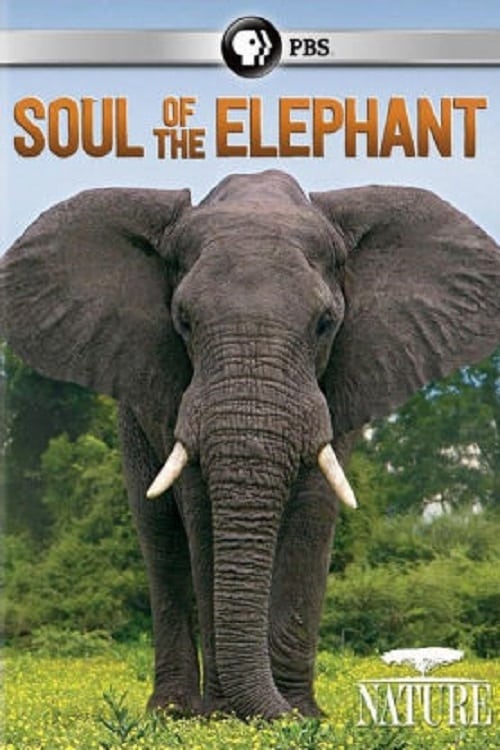
Soul of the Elephant
2015
No user ratings available yet
Diversity score: 5.5 out of 10

2015
Director
Stefan Moore, Susan Lambert
Runtime
78 minutes
Average Rating
No ratings yetSynopsis
This is the gripping and emotionally charged story of Tyke, a circus elephant that went on a rampage in Honolulu in 1994, killed her trainer in front of thousands of spectators and died in a hail of gunfire. Her break for freedom - filmed from start to tragic end - traumatised a city and ignited a global battle over the use of animals in the entertainment industry. Looking at what made Tyke snap, the film goes back to meet the people who knew her and were affected by her death - former trainers and handlers, circus industry insiders, witnesses to her rampage, and animal rights activists for whom Tyke became a global rallying cry. Like the classic animal rebellion film King Kong, Tyke is the central protagonist in a tragic but redemptive drama that combines trauma, outrage, insight and compassion. Ultimately, this moving documentary raises fundamental questions about our deep and mysterious connection to other species.
Overall Score
Fair
Category Breakdown
LGBTQ+ Representation
The film lacks explicit LGBTQ+ characters or narratives. The focus remains strictly on the intersection of human-animal relations and industry ethics.
Gender Representation
Tyke serves as a female protagonist, though her identity is biological rather than social. The narrative emphasizes empathy over traditional masculine-coded circus stoicism.
Racial & Ethnic Diversity
Despite the Honolulu setting, the film does not show evidence of a diverse cast. It prioritizes species-based conflict over human demographic representation.
Religious & Cultural Diversity
The documentary critiques Western institutions and the ethics of human dominion. It frames the circus industry as a site of systemic oppression and rebellion.
Disability Representation
There is no information regarding the depiction of human disabilities or neurodivergence within the film.
Strengths
Areas for Improvement
AI Analysis
Tyke Elephant Outlaw is a documentary that prioritizes systemic critique over human demographic diversity. It succeeds by reframing a non-human subject as a central protagonist in a struggle against institutional cruelty. While the film lacks visible representation for LGBTQ+, racial, or disabled communities, it achieves high cultural value. It challenges anthropocentric hierarchies and the morality of established Western entertainment structures. The narrative's strength lies in its ability to use a tragic animal rebellion to question the ethics of human control and capitalistic entertainment.
2015
2009
2017
2008
2007

2016
2005
2011

2014
1997
1992
2012
No reviews yet. Be the first to share your thoughts on this movie!
Use the rating form above to leave a star rating and optional review.