A Very Lovely Dream: One Week in Twin Peaks
2017
No user ratings available yet
Diversity score: 5.3 out of 10
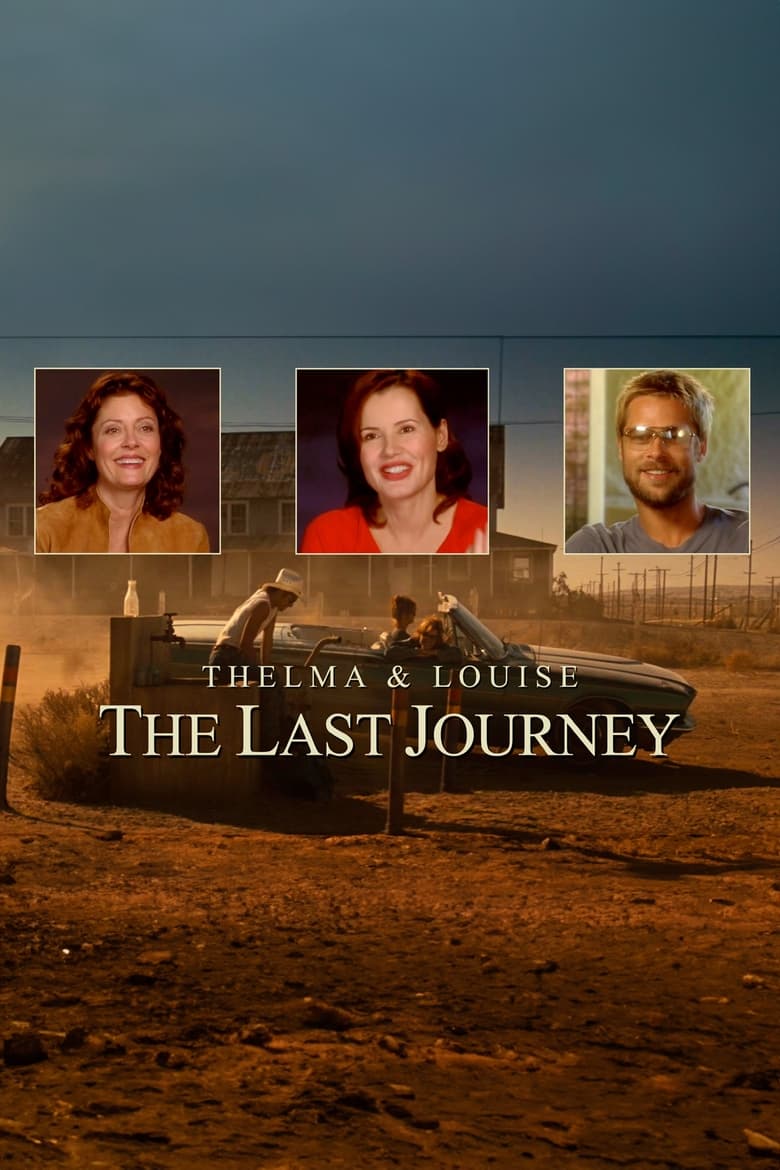
2003
Director
Charles de Lauzirika
Runtime
60 minutes
Average Rating
No ratings yetSynopsis
Nearly every major element of making the 1991 film Thelma & Louise is examined here from how the script was written to how Ridley Scott got involved, to how the big tanker explosion was pulled off. Some funny stories are shared and some great trivia as to what was improvised on set and actually left in the film.
Overall Score
Good
Category Breakdown
LGBTQ+ Representation
The documentary lacks direct depictions of queer identities. Instead, it explores the production of a film that challenged heteronormative structures and traditional gender roles.
Gender Representation
This retrospective centers on the creation of a narrative prioritizing female autonomy. It examines how scriptwriting and improvisation helped deconstruct patriarchal hierarchies and conventional submissive roles.
Racial & Ethnic Diversity
The focus remains on technical and creative production mechanics. There is little emphasis on racial intersectionality or the specifics of diverse casting within the documentary's scope.
Religious & Cultural Diversity
The film highlights themes of rebellion against systemic constraints and institutional authority. It celebrates spontaneity and the disruption of rigid, traditional social expectations through its analysis.
Disability Representation
There is no evidence regarding the depiction of physical or neurodivergent disabilities in this documentary.
Strengths
Areas for Improvement
AI Analysis
As a documentary retrospective, this work functions as a meta-commentary on the landmark 1991 film. Its value lies in deconstructing the creative processes that allowed for the subversion of traditional cinematic tropes. The documentary excels at analyzing how female agency was prioritized through scriptwriting and performance. It provides a deep dive into the mechanics of a production that disrupted the gendered expectations of its era. However, the scope is primarily technical and historical. It lacks direct engagement with queer identities or a specific focus on racial intersectionality, keeping the conversation centered on the original film's production mechanics.
2017
2007
2003
2007
2003
2003
2014
2005

2004
2022
2016
2019
No reviews yet. Be the first to share your thoughts on this movie!
Use the rating form above to leave a star rating and optional review.