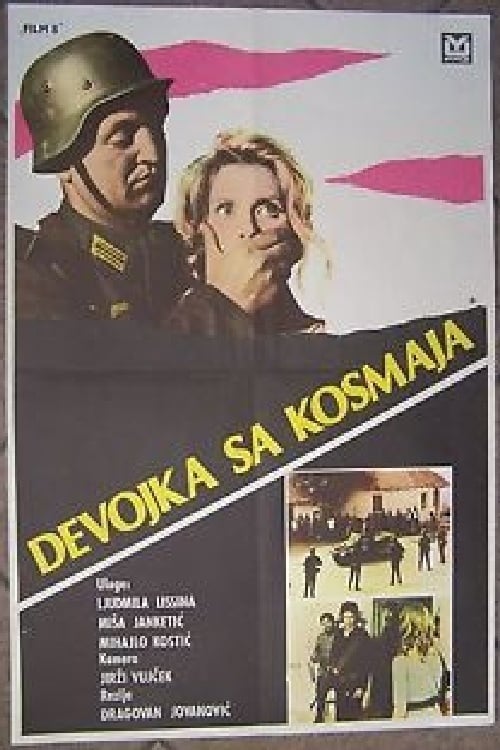
Girl from the Mountains
1972
No user ratings available yet
Representation score: 7.5 out of 10

Representation Score
Good
2014
Director
Slobodan Skerlić
Runtime
119 minutes
Average Rating
No ratings yetNew Showbiz Analysis
The film excels in its psychological depth, particularly regarding how trauma manifests as a physical disability. By centering a female caregiver in a violent landscape, it challenges traditional gender roles. The narrative also provides a sophisticated look at how systemic conflict erodes cultural and familial stability. However, the film lacks explicit representation for LGBTQ+ identities and maintains a relatively homogeneous cast. While the setting is ethnically complex, the character dynamics remain focused on shared regional suffering rather than diverse identity-based perspectives. Ultimately, the work is a gritty, realistic exploration of human resilience that prioritizes the deconstruction of social structures over identity-driven storytelling.
Category Breakdown
The film does not include explicit LGBTQ+ identities or dynamics. Instead, it focuses on wartime trauma and a surrogate maternal bond.
A female neighbor challenges traditional hierarchies by acting as a protector in a landscape stripped of patriarchal structures. Her character explores the limits of care under extreme duress.
Set during the Siege of Sarajevo, the film reflects the ethnic complexities of the Bosnian War. It depicts a fractured, multi-ethnic urban environment dismantled by systemic violence.
The narrative challenges Western notions of heroism by portraying the protagonist's descent into violence as a response to trauma. Traditional institutions are viewed as fragile and easily corrupted.
The protagonist's loss of speech is a central narrative driver. This disability is treated as a manifestation of systemic trauma rather than a mere device for pity.
Present on Screen
Limited or Absent
Official Synopsis
A grenade fired from a nearby hill kills the parents of a ten year old boy during the siege of Sarajevo in 1992. The Boy looses his ability to speak. A lady neighbor adopts and takes care of him. The Boy is thrown out from his destroyed apartment and begins to prowl around the city with a schoolmate. Too early and too soon, he goes through the process of growing up. He learns the meanings of such words as force, death, sex. He learns how to achieve. He learns about the values. He learns what matters the most. The Lady neighbor that takes care of him tries to shelter him and protect him. Unsuccessfully. The Boy rides to fall. Death and suffering become more frequent, and more severe. When the Lady neighbor's teenage son is killed by a sniper as a collateral damage, she then rejects the Boy. The Boy escapes the siege, and shoots from a cannon at the city.Fifteen years later, the Boy - now twenty five - and the Lady neighbor meet again. They are united in pain and suffering.
1972
1997
2015
2019
2013

2005

1965
2015
No reviews yet. Be the first to share your thoughts on this movie!
Use the rating form above to leave a star rating and optional review.