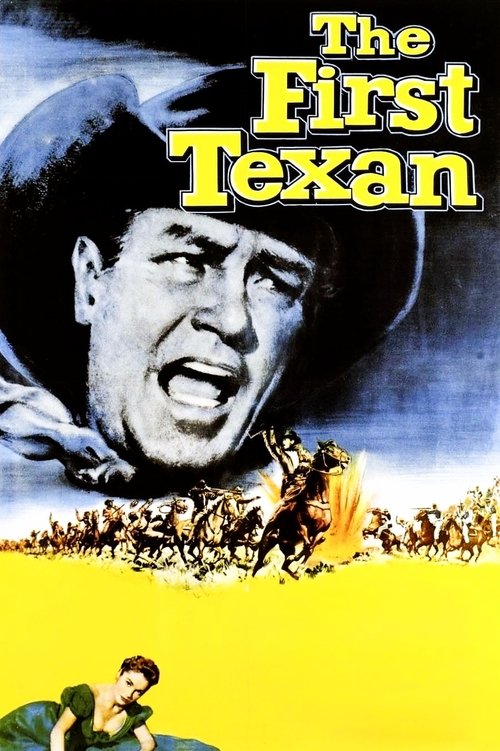
The First Texan
1956
No user ratings available yet
Representation score: 0.6 out of 10
Representation Score
Minimal
1955
NRDirector
Frank Lloyd
Runtime
110 minutes
Average Rating
No ratings yetNew Showbiz Analysis
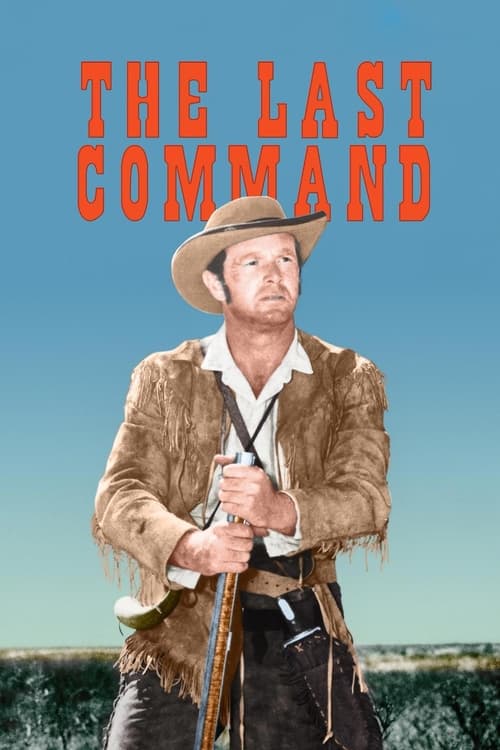
The Last Command operates as a traditional historical epic that emphasizes broad historical narratives over social critique. It relies on mid-century cinematic conventions and established historical myths. The film's structure reinforces conventional Western genre clichés. While the protagonist's dual allegiances provide some political nuance, the characters remain tied to the era's typical archetypes. Overall, the film lacks the necessary intentionality to challenge social hierarchies. It remains a product of its time, emphasizing masculine leadership and nationalistic struggles.
Category Breakdown
The film follows the social structures of the 1830s and adheres to the conventions of mid-century cinema. There are no characters or narratives that challenge traditional gender roles or include LGBTQ+ identities.
The story centers around male-dominated military and frontier settings. Women play minor roles, serving mainly as catalysts for male actions rather than having independent roles or ability to act.
The film explores Texan, American, and Mexican identities through mid-century Western conventions. However, it focuses on the Anglo-American perspective without deeply exploring Mexican or indigenous ability to act.
The story presents the struggle for independence through traditional patriotic and individual honor themes. It lacks critical views of Western institutions and instead upholds a binary moral framework.
The film does not feature any characters with physical or neurodivergent disabilities. Disability is not used as a narrative device within the film.
Present on Screen
Limited or Absent
Official Synopsis
During the Texas War of Independence of 1836 American frontiersman and pioneer Jim Bowie pleads for caution with the rebellious Texicans. They don't heed his advice since he's a Mexican citizen, married to the daughter of the Mexican vice-governor of the province and a friend to General Santa Anna since the days they had fought together for Mexico's independence. After serving as president for 22 years, Santa Anna has become too powerful and arrogant. He rules Mexico with an iron fist and he would not allow Texas to self-govern. Bowie sides with the Texans in their bid for independence and urges a cautious strategy, given Santa Anna's power and cunning. Despite the disagreement between the Texicans and Bowie regarding the right strategy they ask Bowie to lead them in a last-ditch stand, at Alamo, against General Santa Anna's numerically superior forces.
1956
1952
1986
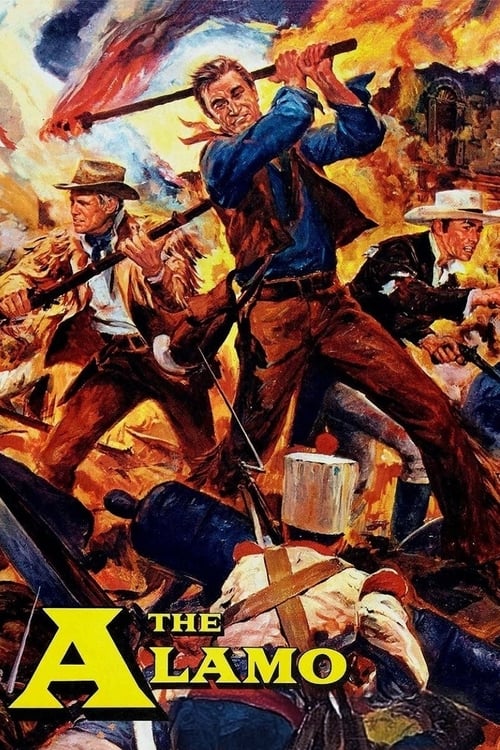
1960
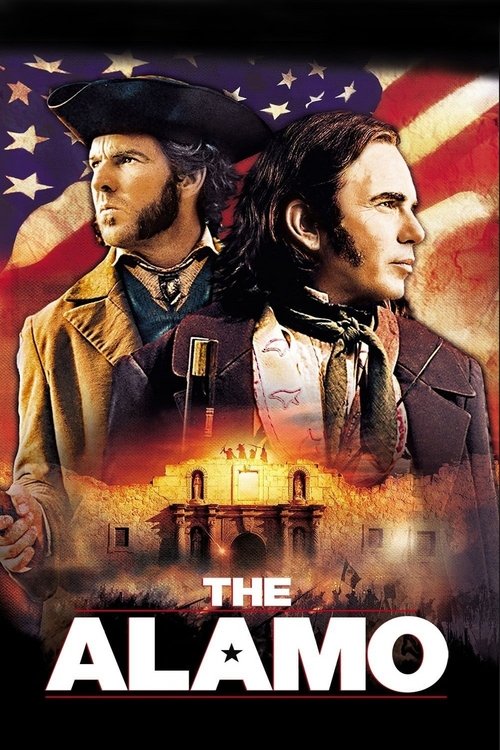
2004
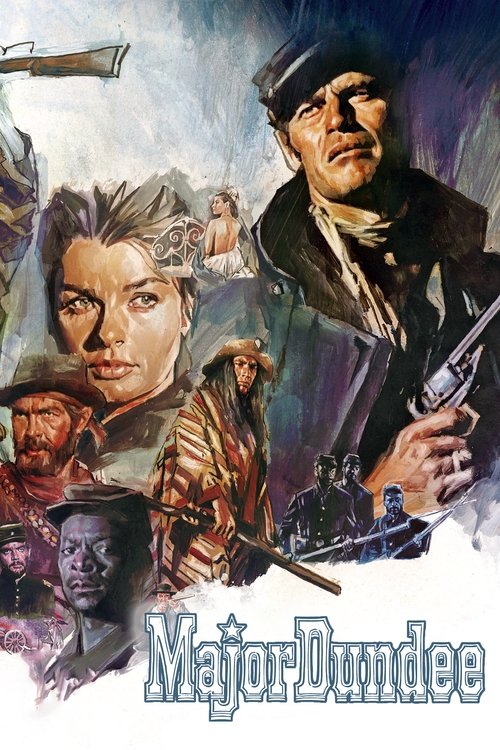
1965
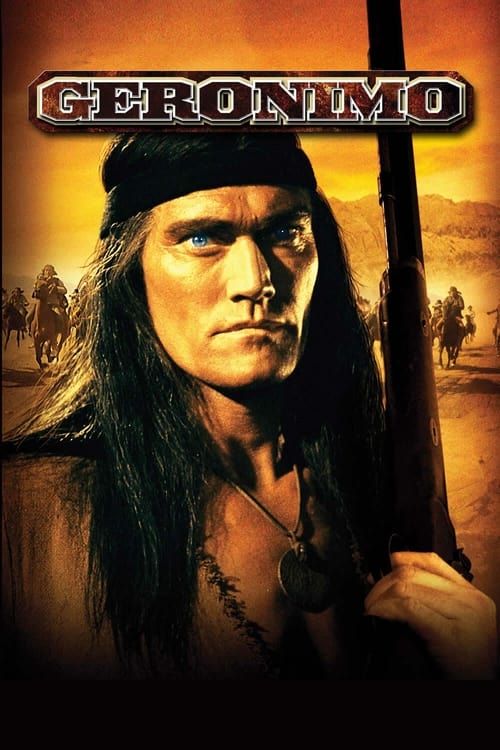
1962
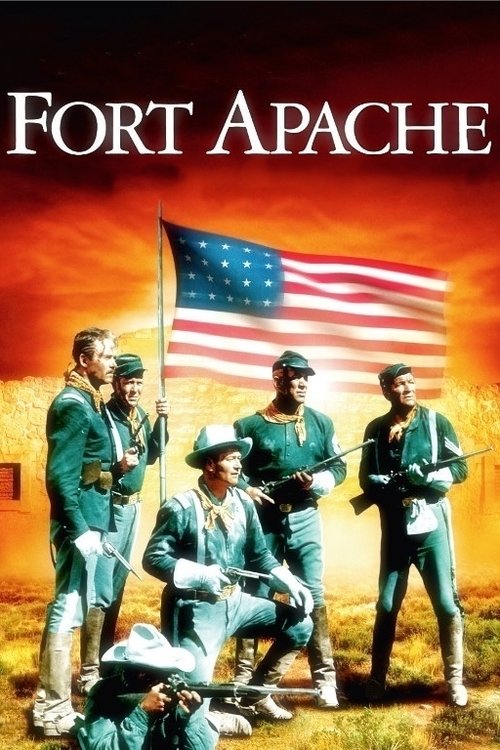
1948
No reviews yet. Be the first to share your thoughts on this movie!
Use the rating form above to leave a star rating and optional review.