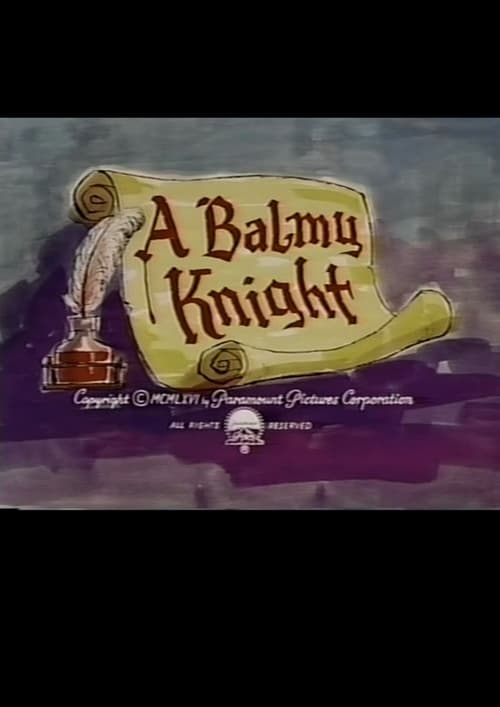
A Balmy Knight
1966
No user ratings available yet
Representation score: 2.1 out of 10
No Poster Available
Representation Score
Limited
1966
ApprovedDirector
Shamus Culhane
Runtime
6 minutes
Average Rating
No ratings yetNew Showbiz Analysis
A Wedding Knight is a product of its 1966 era, relying on well-established animation conventions. The narrative follows a traditional medieval structure reinforcing social hierarchies and conventional marriage contests. The film offers some visibility for a sensory-impaired protagonist, but this representation is used humorously, with the disability serving as a plot device rather than a deep character study. Overall, the film upholds traditional views and relies on gendered and Eurocentric clichés, where a princess’s worth is determined by external competitions and physical appearance.
Category Breakdown
The film focuses on a traditional wedding contest, with no indication of LGBTQ+ identities or criticism of conventional romance.
The princess's importance is tied to a beauty contest, limiting her role in the story due to the need for a suitor to win her.
Set in a medieval world, the film likely adheres to the Eurocentric standards common in 1960s animation, reflecting the social hierarchies of the time.
The story is set within a classic medieval framework emphasizing monarchy and chivalry, functioning as a standard moral tale within established Western traditions.
The main character has a visible visual impairment used for comedic purposes. While it highlights sensory impairments, the disability is primarily used as a plot device.
Present on Screen
Limited or Absent
Official Synopsis
Sir Blur stumbles into a kingdom. A king is having trouble getting someone to marry his daughter because she's, to put it mildly, ugly. Guess who stumbles into the contest? Sir Blur was Famous Studios' answer to Mr. Magoo in that he was another nearsighted fellow who mistakes something or someone for something else.
1966
1980

1953
1935
1958
1963
1967
1954
No reviews yet. Be the first to share your thoughts on this movie!
Use the rating form above to leave a star rating and optional review.