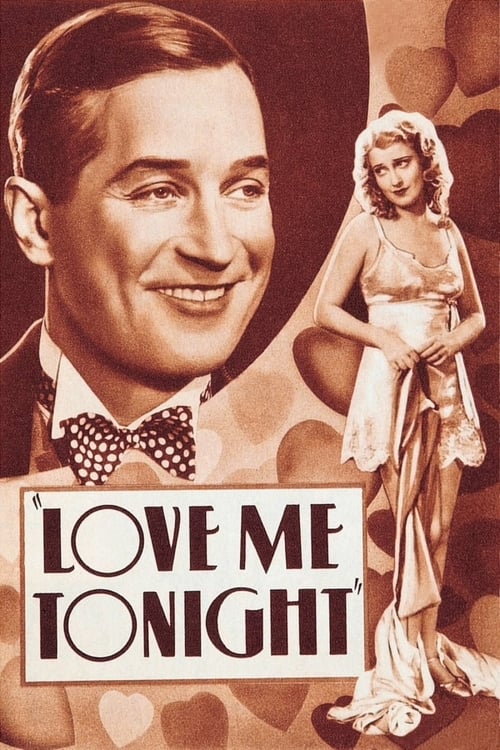
Love Me Tonight
1932
No user ratings available yet
Representation score: 1.1 out of 10

Representation Score
Limited
1934
Director
Géza von Bolváry
Runtime
96 minutes
Average Rating
No ratings yetNew Showbiz Analysis
This 1934 operetta functions as a classic romantic comedy rooted in the escapism of its era. The plot relies on traditional clichés, such as a man assuming a lower social station to pursue a romantic ideal. The film adheres to established social hierarchies and genre conventions. It prioritizes individual passion and romantic whimsy over any meaningful critique of class or systemic inequality. Ultimately, the work reflects the standard cultural values of 1930s European cinema, focusing on localized, conventional storytelling rather than diverse representation.
Category Breakdown
The film follows a strictly heterosexual and cisgender storyline. There is no indication of LGBTQ+ identities or any subversion of traditional romantic paradigms.
The narrative is driven by a male protagonist's role. Gloria serves primarily as a romantic ideal and plot catalyst rather than a character with independent ability to act.
The setting reflects a homogeneous European social environment. The story focuses on localized, culturally specific storytelling without evidence of a multi-ethnic cast.
The film emphasizes traditional Western structures and classical art forms like operetta. It prioritizes romantic escapism over systemic or political commentary.
The available narrative details do not mention any characters with visible or invisible disabilities.
Present on Screen
Limited or Absent
Official Synopsis
The operetta composer Robert Ottmar is fascinated when he discovers a picture of a young lady in a newspaper. The beauty's mere countenance inspires him to write a new operetta, which is very successful. Ottmar learns that his beloved is called Gloria and is the daughter of a general manager from Nice. In order to find out whether Gloria corresponds to his ideal image in reality, he hires himself out as a valet in her father's villa - incognito, of course.
1932

1937
1926
1934
1939
1928

1931

1958
No reviews yet. Be the first to share your thoughts on this movie!
Use the rating form above to leave a star rating and optional review.