
I Don't Wanna Dance
2021
No user ratings available yet
Representation score: 7.6 out of 10
Representation Score
Good
2021
Director
Natalya Kudryashova
Runtime
116 minutes
Average Rating
No ratings yetNew Showbiz Analysis
Gerda is a character-driven study of existential unease that prioritizes psychological depth over broad demographic representation. It successfully breaks down traditional family structures and highlights female empowerment in a fragmented society. However, the film lacks significant LGBTQ+ and racial diversity. The setting remains culturally uniform, and the narrative avoids specific explorations of queer identities or disability empowerment. Overall, the film provides a nuanced look at social isolation, though its scope remains narrow and specific to its provincial context.
Category Breakdown
The film doesn't focus on LGBTQ+ identities or non-traditional gender expressions. Themes of feeling isolated are explored through a general existential lens rather than specific queer stories.
Lera deals with a world where traditional male roles are broken down, moving beyond typical feminine stereotypes. Her dual life as a student and club dancer shows complex decision-making driven by financial needs.
The cast is mostly uniform, reflecting its specific Russian setting. The story doesn't use diverse ethnic backgrounds to challenge the current social environment.
The film criticizes traditional institutions by showing the nuclear family as a place of dysfunction. It focuses on personal experiences over societal or religious rules.
There are no prominent portrayals of physical or neurological disabilities. Psychological struggles are seen as a universal human condition rather than a specific exploration of disability.
Present on Screen
Limited or Absent
Official Synopsis
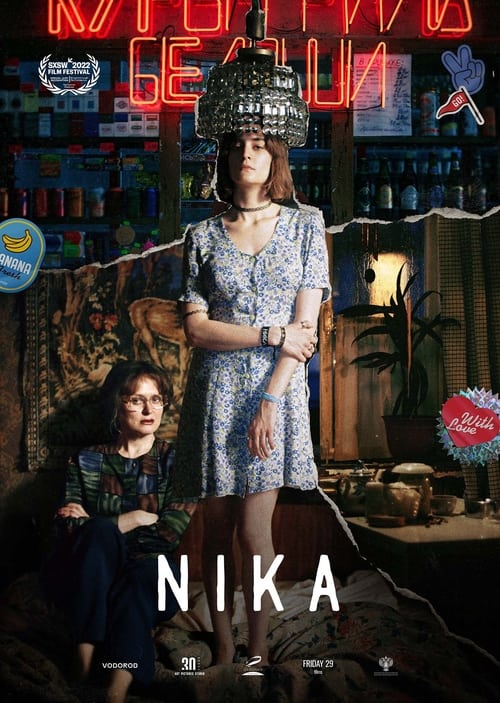
During the day, Lera studies humankind and its needs through opinion polls, which are an educational practice at the institute; at night, she dances under the pseudonym Gerda in a club to support herself and her mother. The people she meets are as unfortunate as her family. Her father has recently left for another woman, but he constantly returns home, unable to make his choice and thereby making the life of close people intolerable. The mother painfully endures the breakup and constantly sleeps, ignoring reality. Lera doesn’t know how to carry on, where to go and what to live for, and — most importantly — how to improve life. The adult world, invariable unfortunate, which Lera observes day and night, seems hopeless.
2021
1999
2016

2019
2020

2004
2022

2011
No reviews yet. Be the first to share your thoughts on this movie!
Use the rating form above to leave a star rating and optional review.