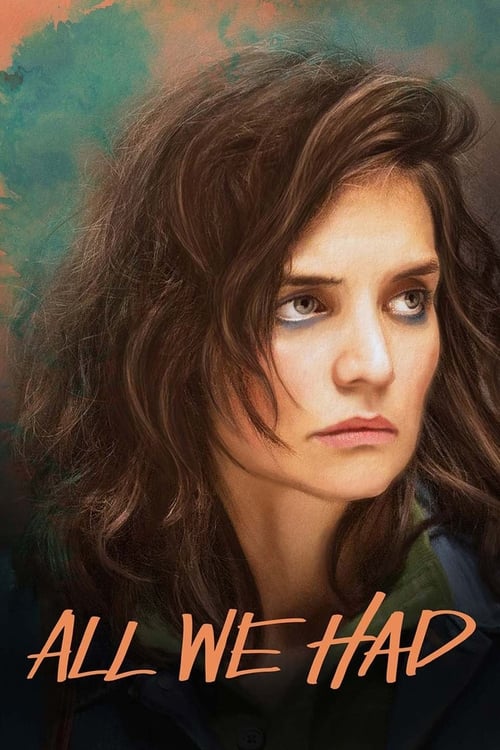
All We Had
2016
No user ratings available yet
Representation score: 3.2 out of 10
Representation Score
Excellent
2016
Director
Alan Gilsenan
Runtime
93 minutes
Average Rating
No ratings yetNew Showbiz Analysis
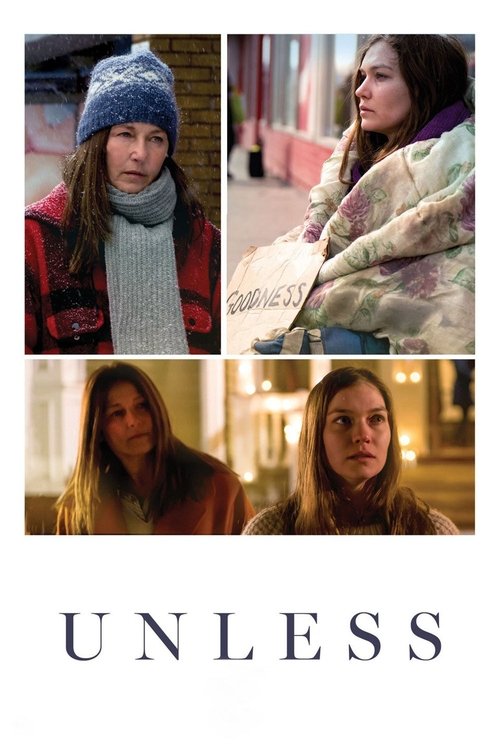
Alan Gilsenan’s *Unless* is a poetic, essayistic documentary that prioritizes macro-level themes of national identity and post-colonialism over individual character studies. Its strength lies in its intellectual engagement with the structures of power, specifically how the state and the Church have shaped the Irish consciousness. While the film excels at deconstructing religious hegemony and colonial legacies, it lacks granular representation of specific underrepresented groups. The focus on landscape and historical myth-making leaves little room for individual narratives regarding disability or explicit LGBTQ+ experiences. Ultimately, the film is a high-level critique of institutionalism. It succeeds as a progressive examination of sovereignty and ethnic ability to act, even if it remains demographically narrow in its casting.
Category Breakdown
The film touches on shifting social norms within the context of Irish history. However, it lacks specific LGBTQ+ protagonists or explicit character arcs focused on queer experiences.
The narrative critiques patriarchal and religious institutions that have historically shaped Irish identity. It offers a nuanced view of gendered social hierarchies without focusing on individual conflicts.
The film explores ethnic sovereignty by deconstructing Anglo-Saxon hegemony and colonial structures. While the cast is demographically homogeneous, the themes focus on reclaiming native identity.
The film provides a sophisticated critique of the Catholic Church's historical influence on Irish life. It challenges traditional Western institutionalism and national myths through a post-colonial lens.
The poetic structure remains centered on the relationship between the people and the land. Consequently, there is no significant exploration of visible or invisible disabilities.
Present on Screen
Limited or Absent
Official Synopsis
A writer struggles with her daughter's decision to drop out of college and live on the streets.
2016
2015
2016
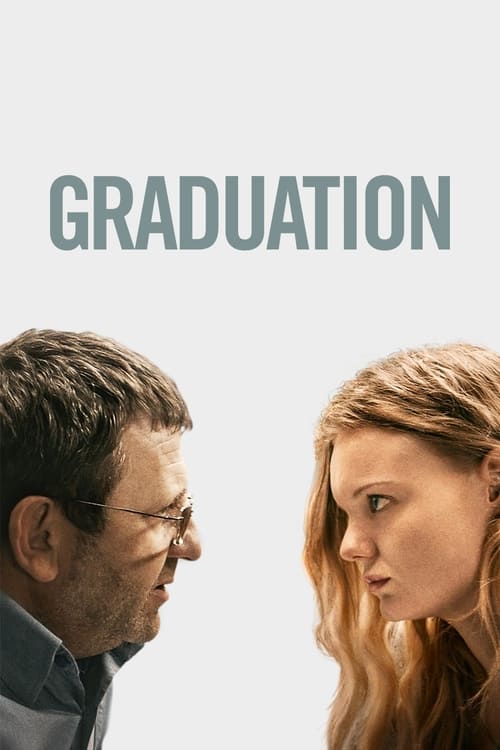
2016
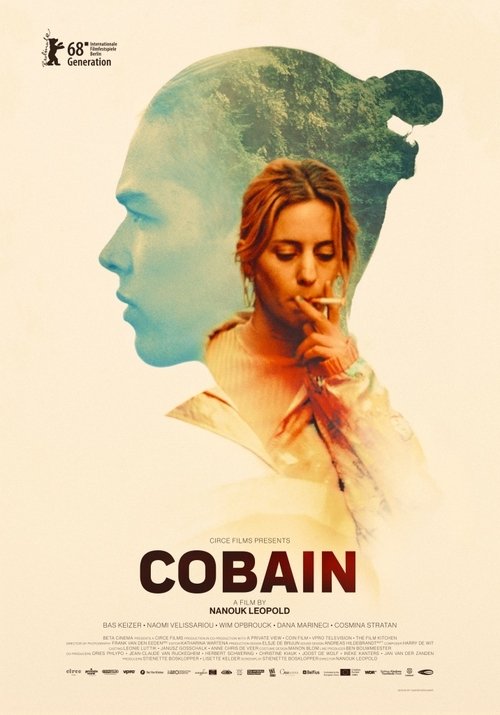
2018
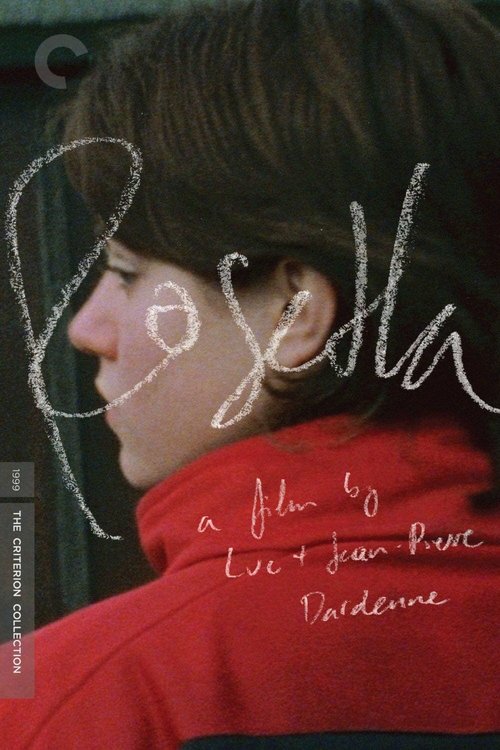
1999
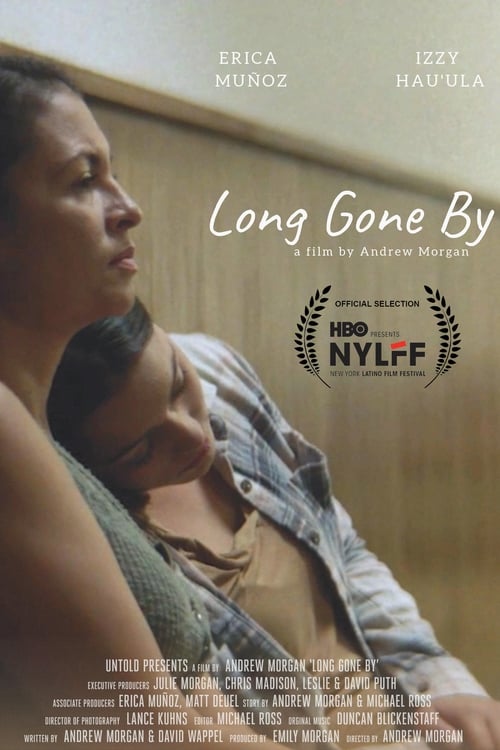
2019
2023
No reviews yet. Be the first to share your thoughts on this movie!
Use the rating form above to leave a star rating and optional review.