The Wandering Jew
1933
No user ratings available yet
Representation score: 3.0 out of 10
Representation Score
Fair
1924
Director
H.K. Breslauer
Runtime
87 minutes
Average Rating
No ratings yetNew Showbiz Analysis
The film stands as a significant historical example of cinema used to challenge systemic social hierarchies. Its primary strength lies in the narrative courage required to address ethnic exclusion and the failure of state institutions during a crisis. While the work lacks contemporary markers of LGBTQ+ or gender-subversive storytelling, it provides a robust framework for analyzing systemic critique. It prioritizes social justice over the escapism common in early 20th-century cinema. Ultimately, the film's impact is rooted in its depiction of a underrepresented individual's ability to act against a complicit state, making it a sophisticated study of identity-based oppression.
Category Breakdown
The film does not include explicit representations of LGBTQ+ identities. The story focuses on the socio-political dynamics of Utopia and the protagonist's central romantic relationship.
Leo Strakosch plays a central role in the narrative. However, there is no evidence of female-driven ability to act or subversion of gender hierarchies.
The film offers a strong critique of systemic exclusion. By focusing on the Jewish experience and the mechanics of scapegoating, it breaks away from the era's typical homogeneous storytelling.
The narrative highlights the morality of the state by depicting ethnic expulsion as a response to economic crisis. It exposes the wrongness of majority prejudice and state-sanctioned corruption.
There are no visible or invisible disabilities depicted or mentioned within the character arcs.
Present on Screen
Limited or Absent
Official Synopsis
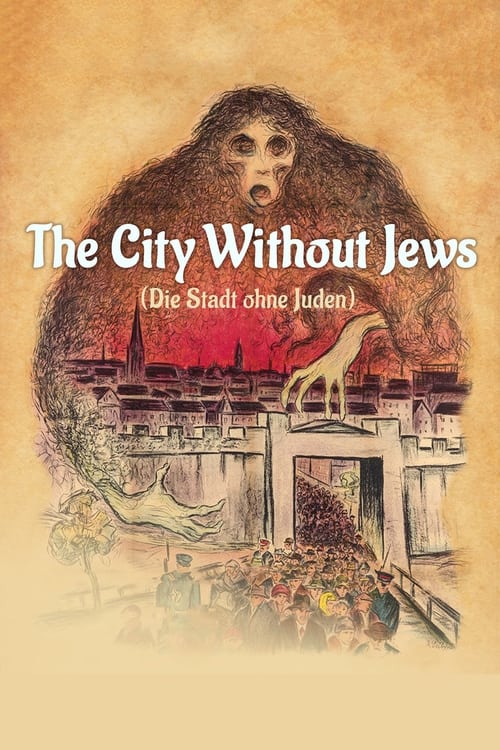
In the Republic of Utopia, because of the bad economic crisis ailing the nation, the Jews are made the scapegoats for the economic and social ills affecting the population; therefore, the government decides to expel them. Leo Strakosch is among the exiled. He is engaged to Counsellor's Linder's daughter. He gets into the Republic, in a clandestine way, to show to the society the wrongness of their anti-semitic prejudice. Bettauer's novel differs essentially from the film version. "Vienna" was named "Utopia." Even a happy ending was provided.
1933
1924
1948

1970
1991

1923
1979
2011
No reviews yet. Be the first to share your thoughts on this movie!
Use the rating form above to leave a star rating and optional review.