Das Unwort
2020
No user ratings available yet
Representation score: 3.7 out of 10
Representation Score
Fair
1991
Director
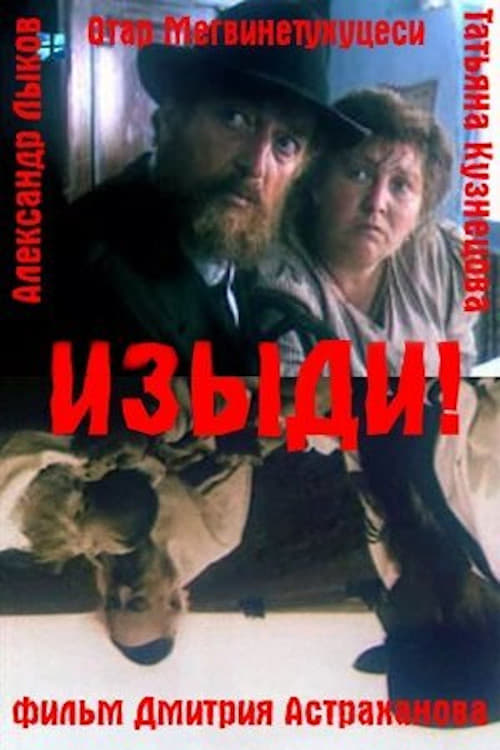
Dmitriy Astrakhan
Runtime
83 minutes
Average Rating
No ratings yetNew Showbiz Analysis
Get Thee Out serves as a pointed critique of institutionalized prejudice. By centering the struggle of a Jewish merchant against state-sanctioned anti-Semitism, the film avoids a sanitized view of history. It effectively explores the friction between ethnic identity and state-driven hegemony. The narrative's strength lies in its deconstruction of the official morality of the Tsarist era. It highlights how systemic oppression can undermine local community bonds and individual ability to act. While the film excels in ethnic and cultural commentary, it lacks representation in other areas. The focus remains strictly on the political and ethnic landscape of the period.
Category Breakdown
The film does not include explicit evidence of LGBTQ+ characters or non-straight relationships. The narrative focuses on ethnic and state-level tensions.
Male figures, particularly the merchant and the village elder, play significant roles. However, the characters' vulnerability against an oppressive state suggests a disruption of traditional patriarchal stability.
The film centers a Jewish protagonist within a Russian community, highlighting systemic anti-Semitism. This approach disrupts depictions of a homogeneous social order through sophisticated identity politics.
The story critiques the Tsarist Government's morality and its state-mandated policies. It frames centralized authority as a corrupt and oppressive force against local community structures.
There are no visible or invisible disabilities mentioned in the narrative. No information is available to assess this category.
Present on Screen
Limited or Absent
Official Synopsis
In Russia at the turn of the century, a wealthy Jewish merchant enjoys the best of relations with his Russian neighbours, while his respected home forms the obvious social centre of the entire community. However, the atmosphere grows more tense as the local authorities come under pressure to fall in line with the officially sanctioned anti-Semitic policies of the Tsarist Government. The village elder is one of our hero's best friends and together they seem to find a way to outwit these evil intentions but unfortunately they fail to understand what forces they are dealing with in a country where anti-Semitism is state policy.
2020
1998
1974

1970
2002
1999
1988
1999
No reviews yet. Be the first to share your thoughts on this movie!
Use the rating form above to leave a star rating and optional review.