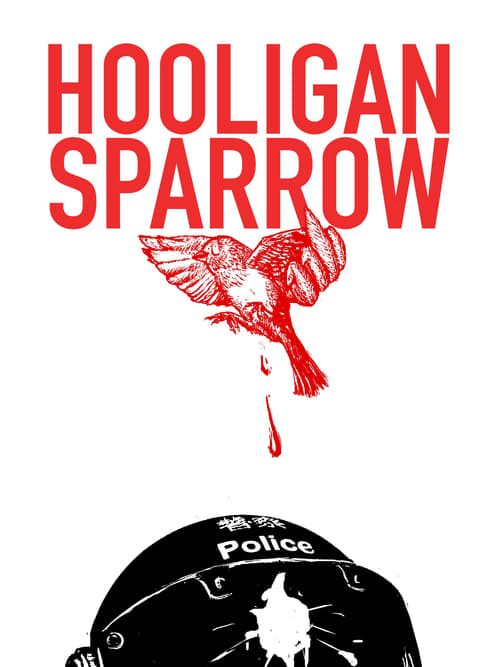
Hooligan Sparrow
2016
No user ratings available yet
Representation score: 9.1 out of 10

Representation Score
Excellent
2017
Director
Fan Jian
Runtime
88 minutes
Average Rating
No ratings yetNew Showbiz Analysis
Still Tomorrow is a powerful documentary centered on the intellectual and personal liberation of Yu Xiuhua. By focusing on her rise as a poet, the film moves beyond the limitations of her physical condition and the restrictive social expectations of rural China. The film excels in its portrayal of disability, presenting a protagonist who drives her own narrative rather than being a passive recipient of care. This approach provides a refreshing departure from common clichés of victimhood. While the film lacks explicit LGBTQ+ themes and features an ethnically homogeneous cast, it successfully challenges traditional hierarchies and offers a profound look at how individual creativity can overcome systemic social constraints.
Category Breakdown
The film does not focus specifically on LGBTQ+ identities but disrupts the idea that everyone is straight or cisgender by highlighting a woman's role as a poet rather than her traditional domestic milestones.
The film challenges the idea that women are passive by showing Yu Xiuhua's transition from being a subject of marital obligations to becoming a feminist icon through her poetry.
The documentary provides a nuanced view of rural Chinese life, avoiding simplified urban-centric portrayals. It presents a realistic picture of how geography, class, and identity intersect.
The film highlights how traditional social structures and marriage norms can be restrictive frameworks. It emphasizes the protagonist's internal truth and creative expression over communal expectations.
Yu Xiuhua is shown with great ability to act, ensuring her cerebral palsy does not overshadow her intellect. The film avoids portraying her as an inspirational figure solely based on her condition.
Present on Screen
Limited or Absent
Official Synopsis
Yu Xiuhua was raised to hope for little from her life in the rural Chinese province of Hubei. At 19, Xiuhua’s mother encouraged her to marry a man nearly twice her age, fearful no one else would accept a wife with Xiuhua’s condition — cerebral palsy. But as her 20th anniversary approaches, Xiuhua’s poetry goes viral, and she becomes the voice of a rising feminist movement throughout China.
2016
2023
2014
2020

2018
2016
2018
2019
No reviews yet. Be the first to share your thoughts on this movie!
Use the rating form above to leave a star rating and optional review.