Kama Sutra
1969
No user ratings available yet
Representation score: 4.8 out of 10

Representation Score
Limited
1968
RDirector
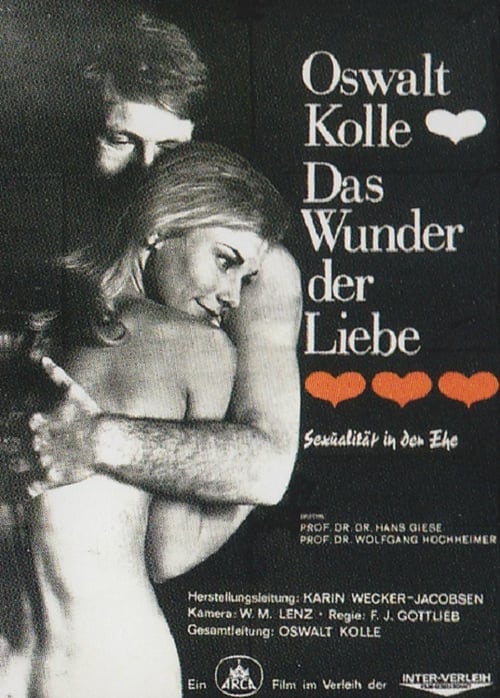
Franz Josef Gottlieb
Runtime
89 minutes
Average Rating
No ratings yetNew Showbiz Analysis
Van de Velde: The Perfect Marriage is a period-specific erotic drama that prioritizes individual psychological exploration over systemic social critique. While it challenges mid-20th-century social mores through its focus on sexual tension and marital complexity, it lacks multi-layered depth. The film operates within the conventional demographic boundaries of its era and genre. It focuses on the deconstruction of traditional Western institutions like the nuclear family, yet remains limited by a lack of diverse casting and representation. Ultimately, the work functions as a study of interpersonal dynamics and subjective morality rather than a vehicle for progressive social representation.
Category Breakdown
The film focuses on marital dynamics rather than LGBTQ+ identities. There is no evidence of LGBTQ+ characters or a critique of the assumption that everyone is straight or cisgender.
The erotic drama genre often explores female desire and control over the story. This film likely positions women as central drivers of tension within domestic power negotiations.
The production reflects the demographic homogeneity of 1968 European cinema. There is no evidence of diverse casting or non-Anglo-Saxon representation.
The story engages with the deconstruction of traditional marriage. It frames Western institutions as sites of psychological tension rather than moral stability.
The narrative contains no mention of characters with visible or invisible disabilities.
Present on Screen
Limited or Absent
Official Synopsis
The first of two erotic dramas based on a 1926 book of the same name. It was followed by "Every Night of the Week".
1969
1973
1972
1965
1968
1975
1986
1971
No reviews yet. Be the first to share your thoughts on this movie!
Use the rating form above to leave a star rating and optional review.