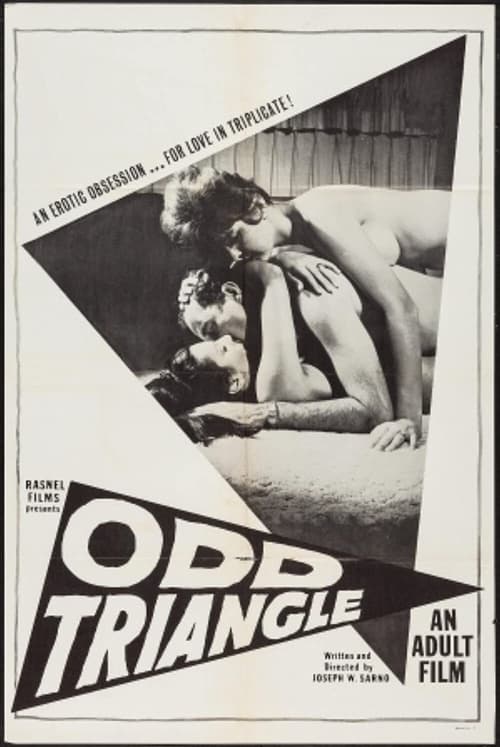
Odd Triangle
1968
No user ratings available yet
Representation score: 5.3 out of 10
Representation Score
Fair
1972
Director
Nick Millard
Runtime
60 minutes
Average Rating
No ratings yetNew Showbiz Analysis
The film stands out for its disruption of 1970s social norms. By focusing on a non-traditional relationship, it challenges the dominant cultural expectations of its time. The story structure highlights female independence and autonomy. Instead of portraying women as passive, the film delves into the complex sexualities and desires of its female characters. While the film successfully challenges gender and sexual norms, it does not provide any clear information about racial, ethnic, or disability representation.
Category Breakdown
The film focuses on a lesbian relationship, which was a significant shift from the heterosexual norms of 1972. This relationship challenges traditional romantic expectations and the social norms of the time.
The story overturns traditional gender roles by emphasizing female desire and independence. Instead of showing a submissive widow, it presents a strong, self-driven woman who values personal freedom.
There is insufficient evidence regarding racial or ethnic diversity. The focus remains strictly on the interpersonal and sexual dynamics of the central characters.
The film questions traditional Western family structures by highlighting a relationship between an aunt and niece as central to the plot. It emphasizes individual freedom over societal norms.
There is no evidence to suggest the presence of characters with visible or invisible disabilities.
Present on Screen
Limited or Absent
Official Synopsis
A series of erotic encounters between a young woman and her recently-widowed aunt.
1968
1976
1970
1969
1980
1977
1969
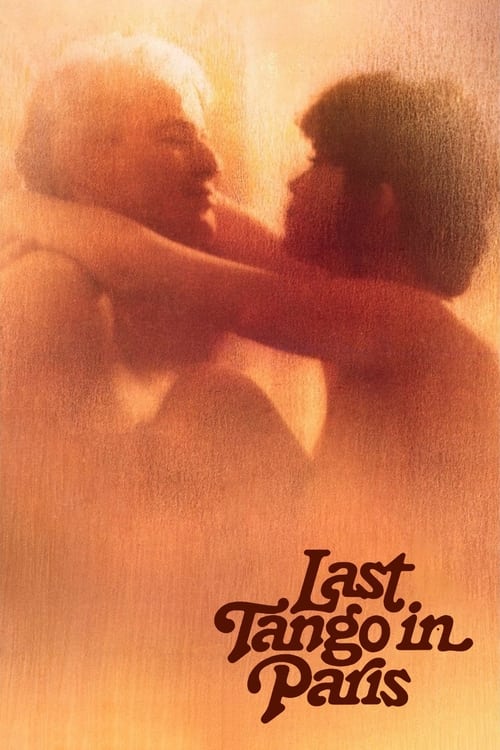
1972
No reviews yet. Be the first to share your thoughts on this movie!
Use the rating form above to leave a star rating and optional review.