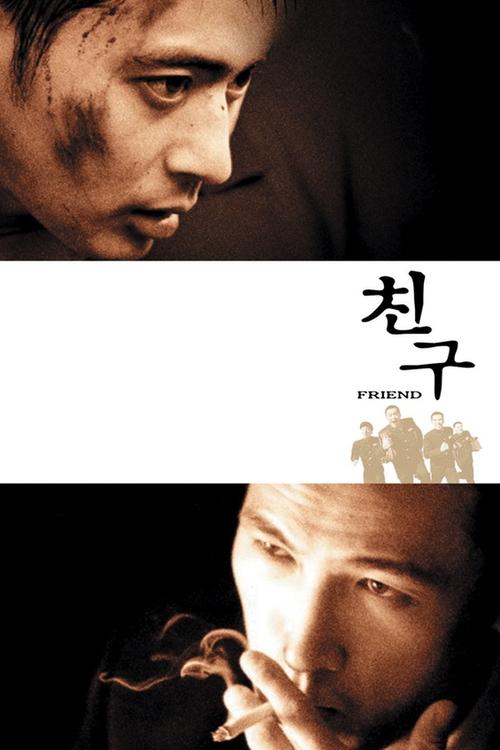
Friend
2001
No user ratings available yet
Representation score: 1.8 out of 10

Representation Score
Fair
1997
Director
Kim Sung-soo
Runtime
116 minutes
Average Rating
No ratings yetNew Showbiz Analysis
Beat is a gritty examination of nihilism and systemic alienation in a rapidly modernizing urban environment. It shines in its cultural critique, using the protagonist's rebellion to explore the emptiness of consumerist capitalism and the erosion of traditional social structures. However, the film lacks demographic diversity, focusing heavily on a male-centric and heterosexual framework. It offers limited representation for LGBTQ+ individuals or characters with disabilities. The racial landscape is also quite uniform, reflecting its specific cultural context. Ultimately, the film's strength lies in its localized exploration of class and social instability rather than broad demographic variety.
Category Breakdown
The film centers on heterosexual relationships and male-dominated social structures. There are no clear stories about LGBTQ+ individuals or non-binary genders in the plot.
The story emphasizes male friendships and conflicts. Although Romi contrasts with the male protagonist, her role is mostly defined by her relationship to him and her economic background.
The cast is mainly composed of a homogeneous Korean group. It delves into the class-based identity within a single ethnic group rather than showcasing a diverse range of ethnicities.
The film critiques modern institutions and portrays family and social authority as sources of alienation rather than support.
There are no significant characters with visible or invisible disabilities. The narrative focuses on socioeconomic and psychological struggles.
Present on Screen
Limited or Absent
Official Synopsis
Min, a tough guy whose widowed mother is a drunk. The story traces his journey from high school to the underworld as one of his friends introduces him to life in the mob. Complicating Min's life further is his romance with Romi, a girl from an upper-class family with dreams of going to a prestigious college.
2001

2009
1993

2003
1999

2016

1998

2001
No reviews yet. Be the first to share your thoughts on this movie!
Use the rating form above to leave a star rating and optional review.