
Emanuelle and the Last Cannibals
1977
No user ratings available yet
Representation score: 3.9 out of 10
Representation Score
Minimal
1979
Director
Roberto Bianchi Montero
Runtime
98 minutes
Average Rating
No ratings yetNew Showbiz Analysis
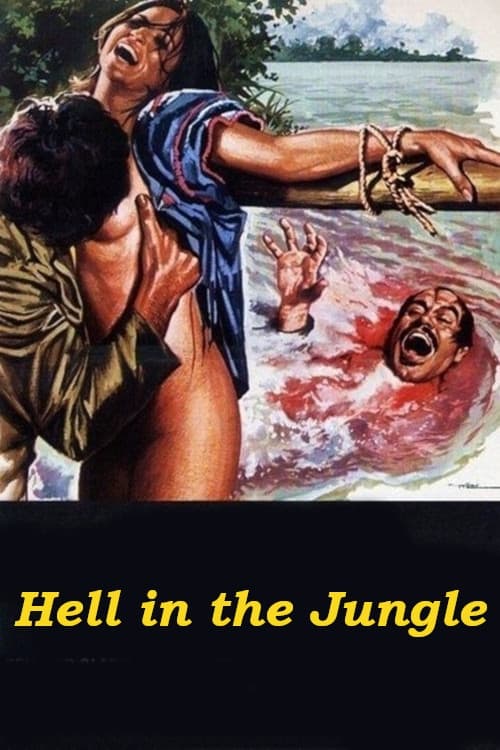
Hell in the Jungle is a product of the 1970s exploitation movement, emphasizing transgressive themes and predatory hierarchies over character development. The film relies heavily on regressive plot devices centered around sexual aggression and male dominance. Since the plot revolves around the victimization of women and individualist violence, it fails to give meaningful roles to underrepresented groups. The narrative lacks the complexity needed for progressive representation, sticking to the era’s typical exploitation clichés. Ultimately, the film serves as a study of violent themes rather than a platform for social or cultural commentary, offering a narrow and exclusionary viewing experience.
Category Breakdown
The film does not include any representation of LGBTQ+ individuals or communities. It uses sexual violence as a plot device without exploring queer narratives or identities.
The story reinforces harmful gender stereotypes by portraying women as passive victims targeted by male antagonists within a patriarchal structure.
The wilderness setting hints at a possible colonialist backdrop, but there is no confirmation of a diverse cast. Characters of color have limited roles and are not meaningfully included.
The themes focus on primal violence and nihilism without addressing cultural or religious critiques. The story emphasizes basic human instincts over deeper societal issues.
There are no characters with visible or invisible disabilities featured in the narrative.
Present on Screen
Limited or Absent
Official Synopsis
A group of sadists intent on rape girls in the middle of the wilderness.
1977
1980
1980
1972
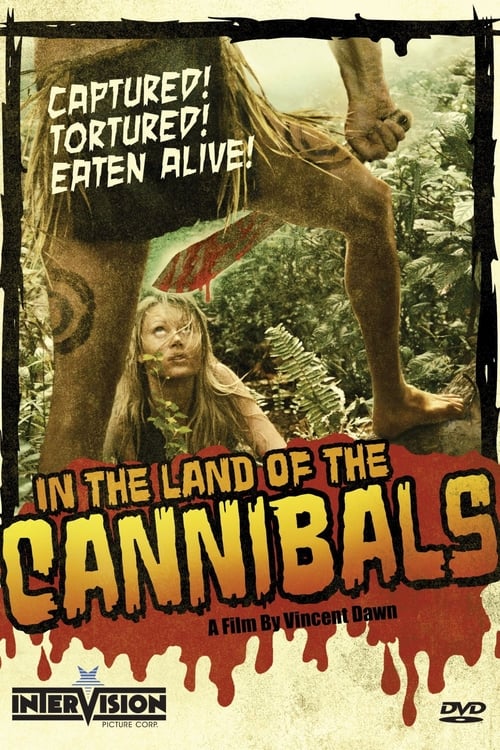
2004
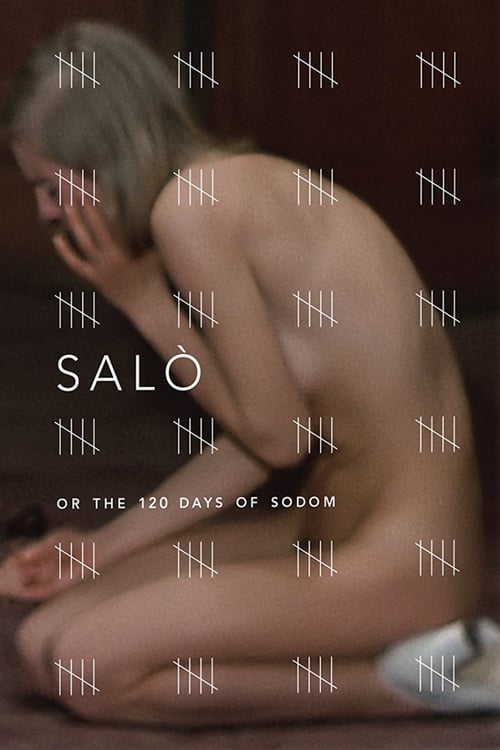
1976
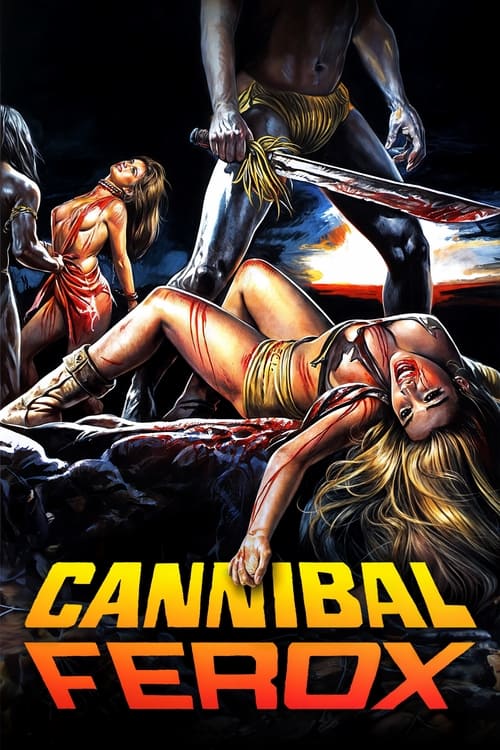
1981
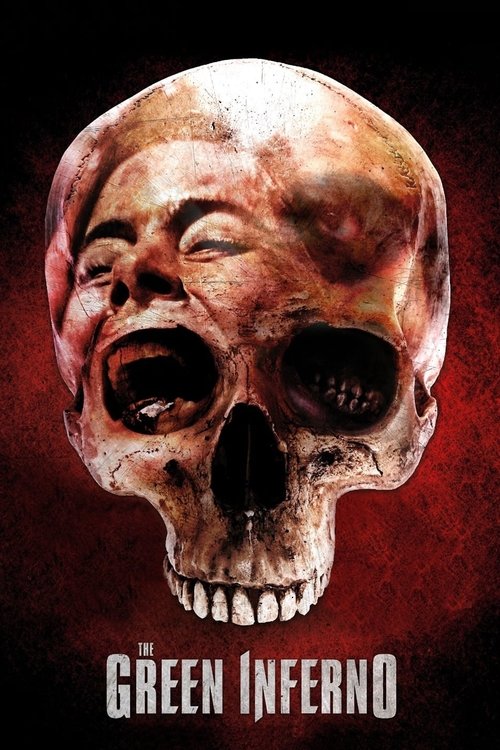
2014
No reviews yet. Be the first to share your thoughts on this movie!
Use the rating form above to leave a star rating and optional review.