
The First Forgotten
2019
No user ratings available yet
Representation score: 6.5 out of 10
Representation Score
Limited
2007
TV-PGDirector
David S. Cass Sr.
Runtime
90 minutes
Average Rating
No ratings yetNew Showbiz Analysis
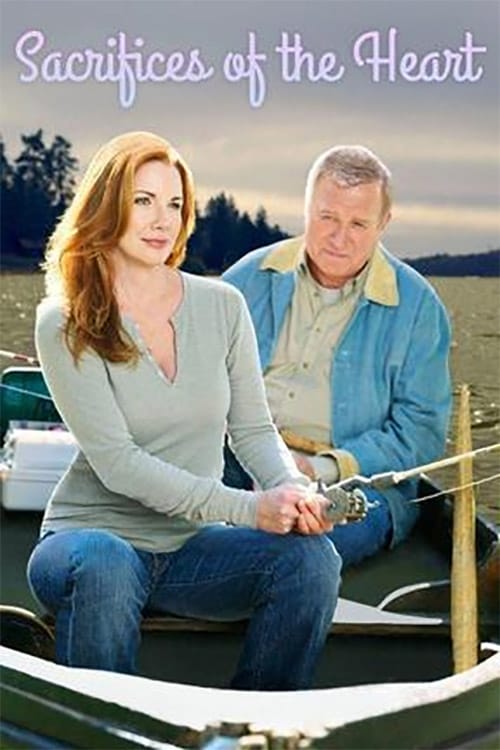
Sacrifices of the Heart is a conventional domestic drama that prioritizes individual emotional growth over broader social issues. While it offers a focused look at neurocognitive disability, it remains within a very narrow demographic scope. The film succeeds in centering a professional woman and addressing the complexities of Alzheimer's. However, these elements are framed within traditional social hierarchies and a homogeneous rural setting. Ultimately, the work adheres to established genre conventions, favoring themes of familial reconciliation and duty over any significant exploration of diversity.
Category Breakdown
The film does not include any visible LGBTQ+ characters or narratives addressing non-binary gender identities. The story focuses entirely on heterosexual relationships and traditional family structures.
Katelyn is a strong professional lawyer, but her role centers on emotional labor and caretaking. The narrative leans into traditional feminine roles of mediation and caregiving.
The setting suggests a homogeneous, rural Western environment. There is no evidence of multi-ethnic complexity or diverse casting within the ensemble.
The story emphasizes traditional Western values regarding the sanctity of the nuclear family. It explores reconciliation through a conventional moral framework centered around parental duty.
Alzheimer's disease serves as a central plot driver through the character of Thane. This provides a platform to explore the realities of cognitive decline and its impact on family life.
Present on Screen
Limited or Absent
Official Synopsis
Katelyn 'Kate' Weston, a country girl who became a lawyer and joined an L.A. law firm years ago, specializes in defending minors having committed violent crimes who nobody else takes on. She gradually got estranged from her family, but then her older brother Ryan asks her to return to the farm he runs with their dad Thane who has become impossibly absentminded. By the time he is formally diagnosed with serious Alzheimer, she realizes how badly she really knew her family, having ran from her past after the trauma of witnessing her mother's suicide at age seven, and tries to talk it trough with Ryan and dad while he still has lucid moments.
2019
2018

2008

2019
1982
2005
1997
2018
No reviews yet. Be the first to share your thoughts on this movie!
Use the rating form above to leave a star rating and optional review.