Iris
2001
No user ratings available yet
Representation score: 6.0 out of 10
Representation Score
Fair
2007
PG-13Director
Sarah Polley
Runtime
110 minutes
Average Rating
No ratings yetNew Showbiz Analysis
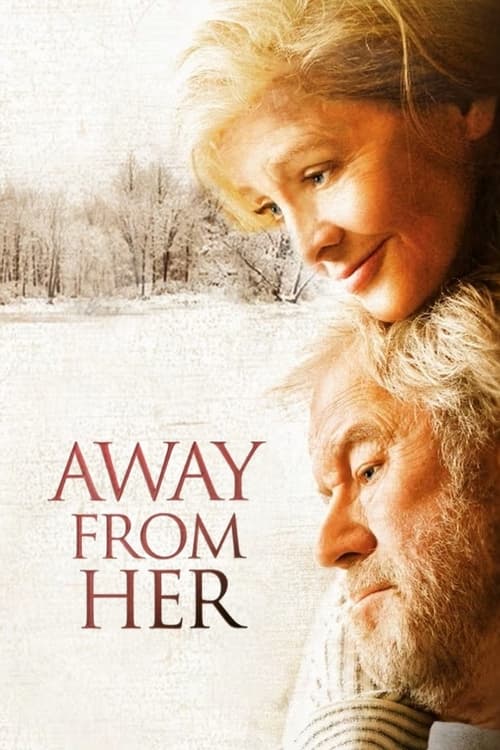
Away from Her is a deeply psychological drama that excels in its empathetic and nuanced portrayal of cognitive disability. It avoids common stereotypes and offers a sophisticated look at neurodivergence. The film also challenges traditional gender roles by moving away from stoic male archetypes and exploring the vulnerability of both partners as their roles change due to illness. However, the film's impact is limited by a lack of characters who reflect more than one aspect of diversity. The narrative is confined to a homogeneous demographic, offering little representation of LGBTQ+ identities or diverse racial perspectives.
Category Breakdown
The film does not include any LGBTQ+ characters or narratives. The romantic focus stays within the central marriage and a relationship with a male patient.
The film challenges traditional gender roles by taking away the female protagonist's autonomy and showing the husband's emotional vulnerability.
The cast is predominantly made up of actors from similar backgrounds, reflecting a specific socioeconomic environment. The story does not include diverse racial perspectives or multi-layered casting.
The film addresses cognitive decline as a biological condition rather than a moral issue, critiquing how Western society handles aging.
The film provides a detailed and nuanced portrayal of Alzheimer's, avoiding overly sentimental depictions. It focuses on the protagonist's complex experience of memory loss.
Present on Screen
Limited or Absent
Official Synopsis
Fiona and Grant have been married for nearly 50 years. They have to face the fact that Fiona’s absent-mindedness is a symptom of Alzheimer’s disease. She must go to a specialized nursing home, where she slowly forgets Grant and turns her affection to Aubrey, another patient in the home.
2001

2020
2004
1998
2015
2019
2013

2015
No reviews yet. Be the first to share your thoughts on this movie!
Use the rating form above to leave a star rating and optional review.