
Peony Pavilion
2001
No user ratings available yet
Representation score: 6.5 out of 10
Representation Score
Limited
2013
Director
Pan Anzi
Runtime
115 minutes
Average Rating
No ratings yetNew Showbiz Analysis
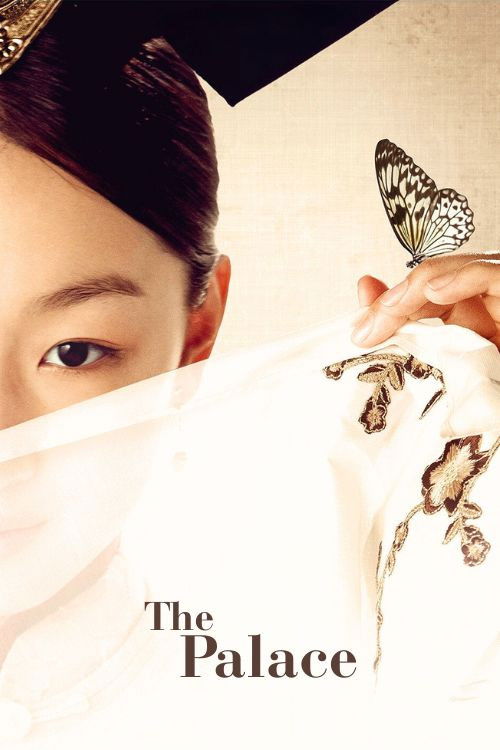
The Palace is a traditional historical drama that focuses on period-specific romantic clichés and palace intrigue. The narrative structure relies on established social hierarchies and conventional romantic arcs typical of the genre. While the film offers some character's ability to drive the story, particularly through female protagonists navigating social mobility, these actions remain within a patriarchal framework. The story upholds the importance of imperial structures without offering a subversive or multi-layered perspective.
Category Breakdown
The film features a traditional love triangle between a male lead and two female characters. There is no representation of same-sex relationships or non-cisgender identities.
Female characters like Liuli exert influence through strategic social climbing. However, their power is still linked to their relationship with male figures in the Qing Dynasty hierarchy.
The cast is ethnically uniform, reflecting the historical context of the Qing Dynasty. The film does not use diverse casting to challenge societal norms.
The story emphasizes strict social hierarchies and the pursuit of status through royal connections. It reinforces traditional social structures without challenging them.
There is no depiction or mention of physical or neurodivergent disabilities in the narrative.
Present on Screen
Limited or Absent
Official Synopsis
In Qing Dynasty, Chen Xiang and Liuli became maids and friends in the imperial palace. Liuli wanted to be famous whereas Chen Xiang just wanted to live a normal life. Liuli attempted to change her life by knowing the prince, even at the cost of betraying Chen Xiang.
2001
2006
1965
1992
1961

2023
2000

1991
No reviews yet. Be the first to share your thoughts on this movie!
Use the rating form above to leave a star rating and optional review.