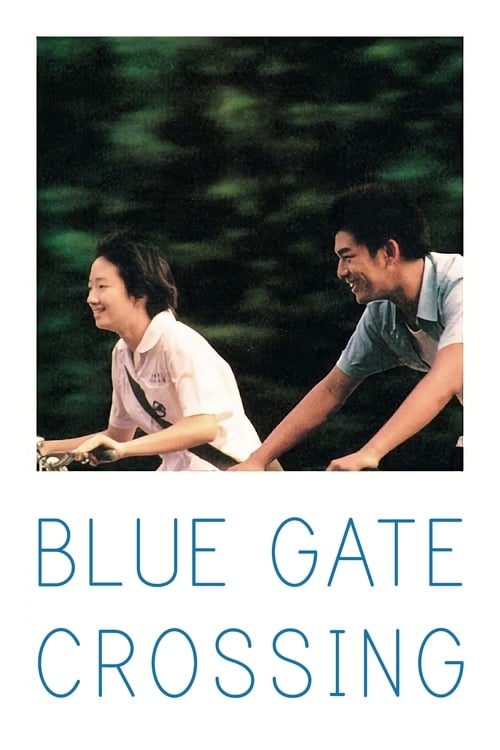
Blue Gate Crossing
2002
No user ratings available yet
Representation score: 8.7 out of 10
Representation Score
Fair
1988
Director
Yonfan
Runtime
105 minutes
Average Rating
No ratings yetNew Showbiz Analysis
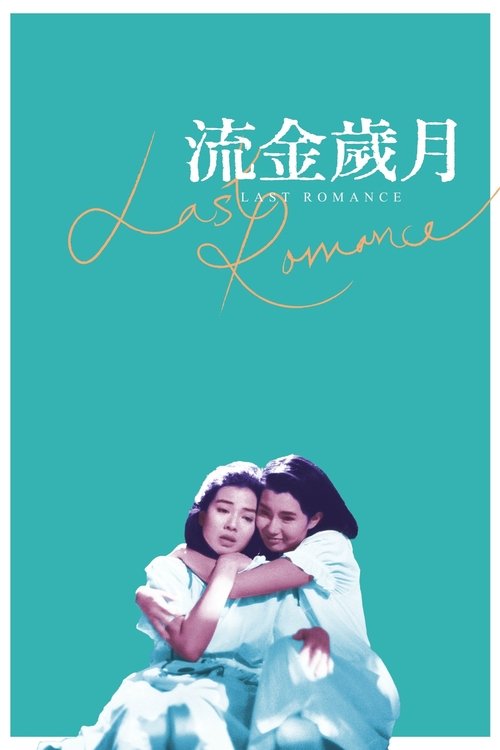
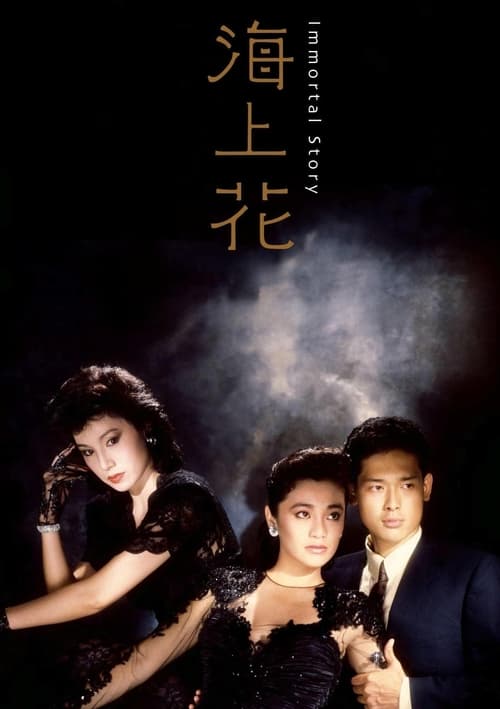
Last Romance is a character study of longing and the fleeting nature of youth. It prioritizes aesthetics and interpersonal drama over disrupting social hierarchies or deconstructing identity. The film succeeds in centering female desire and friendship, allowing the women to drive the narrative conflict. However, it remains within the bounds of conventional romantic clichés and traditional storytelling. While the inclusion of a Japanese character adds a cross-cultural element, the film primarily explores romantic melancholy within a localized context.
Category Breakdown
The story revolves around a heterosexual love triangle. Although the emotional connections between the female characters are strong, the film does not include non-straight or non-cisgender identities and does not challenge the assumption that everyone is straight or cisgender.
Women play a key role in driving the plot through their emotional decisions. However, the film sticks to traditional melodramatic conventions rather than actively challenging established gender hierarchies.
The cast is mainly Chinese, reflecting the Hong Kong setting. A Japanese character adds a cross-cultural element to the plot, though this primarily serves as a plot device.
The film focuses on personal emotions and romantic destiny. It avoids significant critiques of Western institutions or systemic ideologies, prioritizing individual emotional fulfillment instead.
There is no evidence of characters with physical or neurodivergent disabilities serving as central plot points or subjects of study.
Present on Screen
Limited or Absent
Official Synopsis
Best friends So-so and Nancy fall in love with the same handsome Japanese boy, who cannot fulfill both girls' destinies.
2002
1986

2021

1996
1998

2005
1986

2004
No reviews yet. Be the first to share your thoughts on this movie!
Use the rating form above to leave a star rating and optional review.