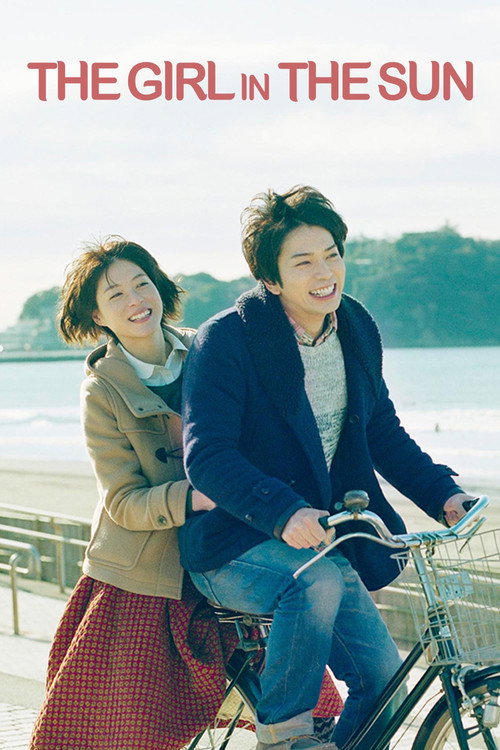
The Girl in the Sun
2013
No user ratings available yet
Representation score: 3.9 out of 10
Representation Score
Fair
2018
Director
Hideki Takeuchi
Runtime
108 minutes
Average Rating
No ratings yetNew Showbiz Analysis
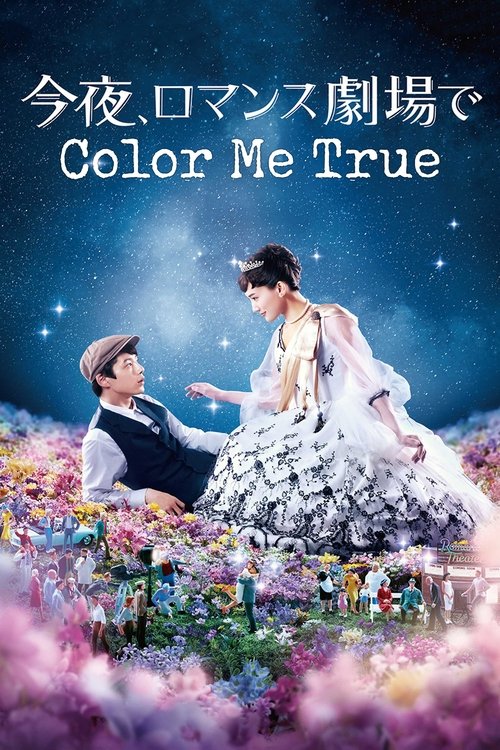
Color Me True is a speculative romance that uses a meta-cinematic framework to explore the boundaries between artifice and reality. The story centers on the collision between a modern aspiring director and a character from a monochromatic film era. The film's strength lies in its structural approach to romance and its ability to disrupt conventional expectations of reality. It prioritizes subjective experience and the deconstruction of the cinematic medium over rigid, traditional frameworks. However, the narrative lacks explicit evidence regarding specific identity politics. While the fantasy elements offer a progressive way to view relationship structures, the film does not overtly engage with diverse social identities.
Category Breakdown
The film explores a romantic connection between a real person and a cinematic construct. While queer identities are not explicitly confirmed, the fantasy romance genre often uses such clichés to challenge traditional relationship structures.
Princess Miyuki serves as a central figure and the primary driver of the fantasy elements. The narrative suggests a subversion of typical hierarchies, though her level of independent ability to act remains unclear.
Set within a Japanese production context, the film focuses on aesthetic and temporal tensions rather than racial ones. The fantasy element serves as a metaphor for transcending inherent limitations.
The story prioritizes creative expression and individualistic pursuits over traditional social structures. It disrupts objective truth by centering the plot on the intersection of different cinematic realities.
There is no information available regarding the portrayal of physical or neurodivergent identities in this film.
Present on Screen
Limited or Absent
Official Synopsis
Kenji is a young aspiring movie director. He falls in love with Princess Miyuki, who came from a black‐and‐white movie.
2013
2022
2015
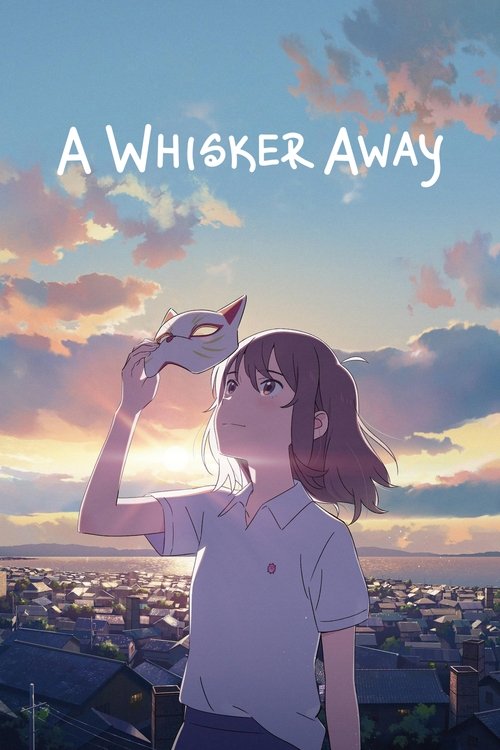
2020
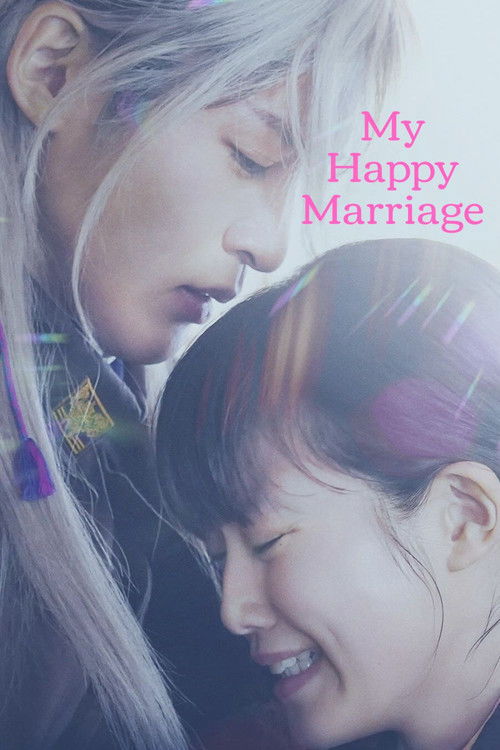
2023
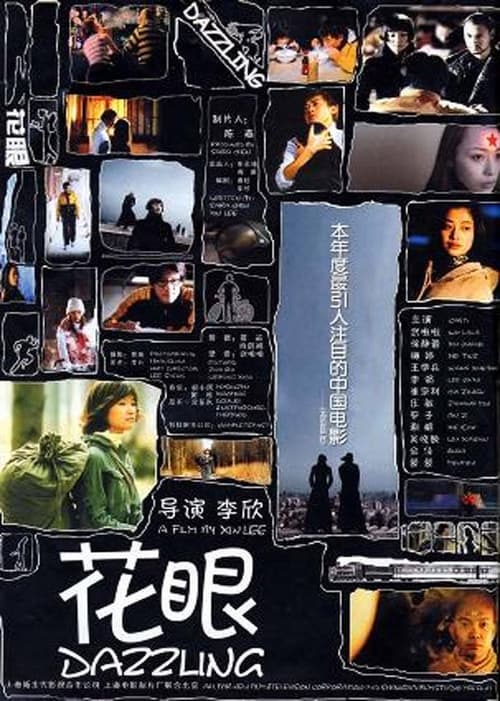
2002

1986
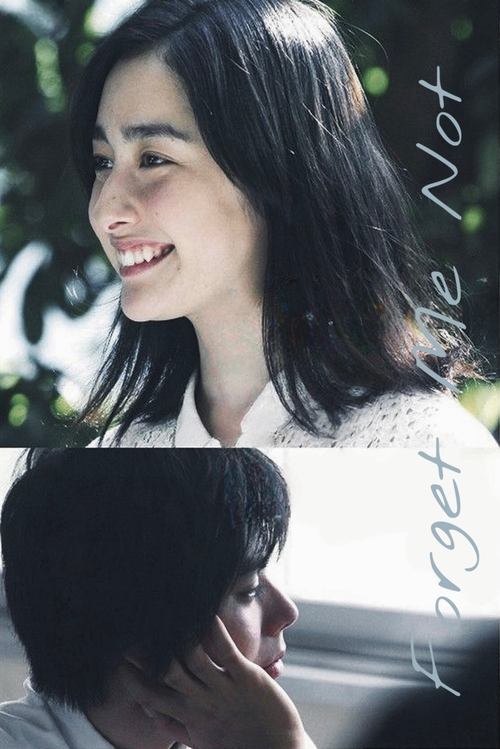
2015
No reviews yet. Be the first to share your thoughts on this movie!
Use the rating form above to leave a star rating and optional review.