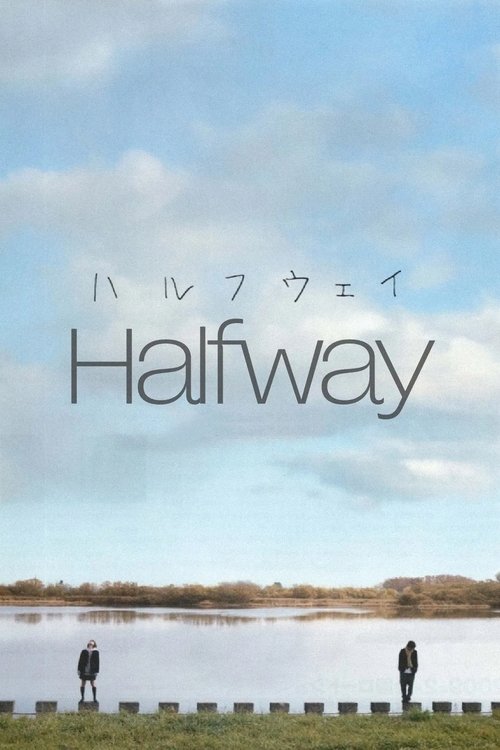
Halfway
2009
No user ratings available yet
Representation score: 2.0 out of 10

Representation Score
Limited
2012
Director
Takahiro Miki
Runtime
121 minutes
Average Rating
No ratings yetNew Showbiz Analysis
We Were There: True Love is a traditional romantic drama that emphasizes personal emotional continuity over societal disruption. The narrative follows a localized, homogeneous experience of young adulthood, focusing on the tension between personal commitments and geographic separation. The film adheres to established genre conventions and standard romantic clichés. It does not have the intentionality needed to challenge social norms or provide complex representations of diversity, functioning instead as a sentimental, straightforward emotional arc. Ultimately, the work operates within a narrow demographic and structural framework, emphasizing interpersonal connections rather than systemic or sociopolitical critiques.
Category Breakdown
The film focuses on a traditional heterosexual romance between Yano and Nanami. It does not include characters with non-cisgender identities or challenge assumptions about straight relationships.
The story centers around the emotional journey of its main characters as they grow up. While Nanami deals with her professional life, the film sticks to typical romantic storylines without challenging traditional gender roles.
Set in Kushiro and Tokyo, the film portrays a homogeneous Japanese population. The cast and setting reflect the cultural context of the genre without incorporating diverse backgrounds.
The narrative delves into themes of loyalty and the challenges of modern life, such as job hunting. It emphasizes individual emotional experiences without addressing broader sociopolitical issues.
There are no characters with visible or invisible disabilities mentioned in the film.
Present on Screen
Limited or Absent
Official Synopsis
During the 2nd year of high school in the winter season, Yano transferred from Kushiro to Tokyo due to a family matter. Yano and Nanami promised to meet again. A couple of years later, Nanami is busy finding a job, while Yano's friend Takeuchi supports her. in the beginning, Yano and Nanami kept their relationship, even with the long distance between them, but Yano suddenly stops contacting Nanami.
2009

2009
2025

2009

2006

2010

2009

2010
No reviews yet. Be the first to share your thoughts on this movie!
Use the rating form above to leave a star rating and optional review.