Mabel, Fatty and the Law
1915
No user ratings available yet
Representation score: 2.4 out of 10
Representation Score
Limited
1915
NRDirector
Roscoe Arbuckle
Runtime
27 minutes
Average Rating
No ratings yetNew Showbiz Analysis
Fatty's Tintype Tangle is a period-specific slapstick comedy that uses chaos to challenge early 20th-century social norms. It slightly subverts the traditional male leader archetype by showing a protagonist fighting against domestic authority. However, the film lacks complexity in its representation. It primarily sticks to traditional comedic archetypes and does not incorporate racial or cultural diversity. The narrative also fails to explore LGBTQ+ identities or disabilities.
Category Breakdown
The film uses a gender mix-up for comedic effect, but it doesn't explore LGBTQ+ identity. A male character is mistakenly thought to be a woman's romantic partner, which leads to humorous situations rather than deeper exploration of queer identity.
The film challenges traditional gender roles by showing a husband seeking freedom from his controlling wife. However, it still relies on classic comedic archetypes such as the dominant mother-in-law and the jealous husband.
The movie focuses on a typical domestic comedy setting and does not include diverse racial or cultural backgrounds. The story revolves around a standard Anglo-Saxon family dynamic.
The film uses alcohol as a symbol of rebellion against domestic constraints. It highlights social disruption but does not critically examine Western institutions.
The film does not feature any characters with disabilities, either visible or invisible. There are no neurodivergent or physically impaired characters.
Present on Screen
Limited or Absent
Official Synopsis
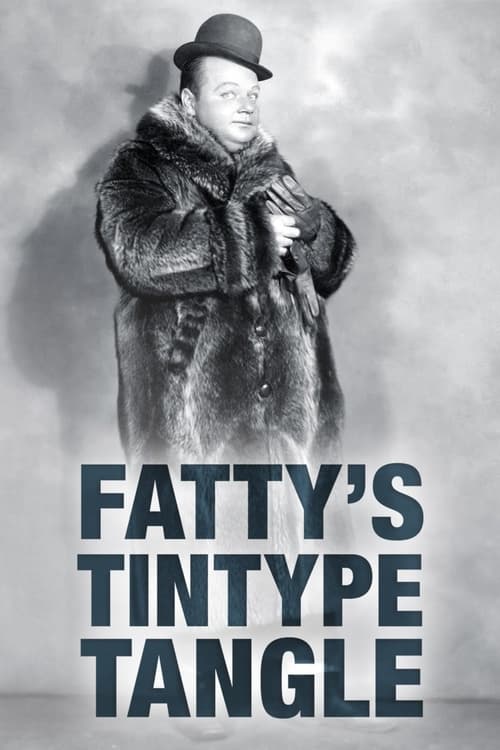
Hubby and wifey are in love, but he's henpecked by her mother. A nip of whiskey gives him Dutch courage, and he storms out, declaring he won't be a domestic slave anymore. He heads for a park bench where a photographer mistakes him for a seated woman's sweetheart. The tintype of the two of them falls into the hands of the woman's husband, whose jealous rage frightens our hero. He abruptly leaves town, telling wifey he'll be away on business. Wifey doesn't need her house while he's away, so, unknown to hubby, she moves in with mom and rents the house to the couple from the park. When our hero returns home sooner than expected, the renter has another attack of jealousy.
1915

1915
1915
1915
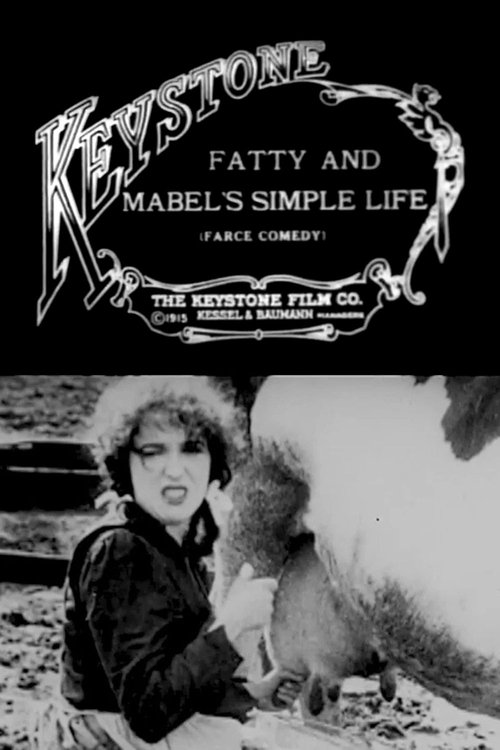
1915
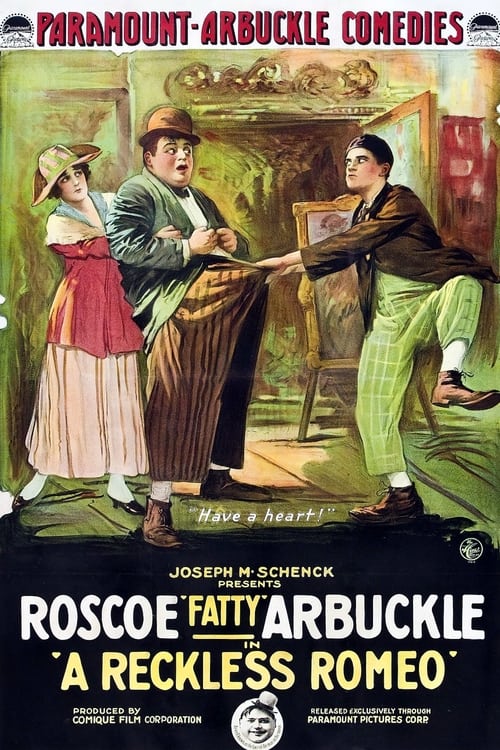
1917
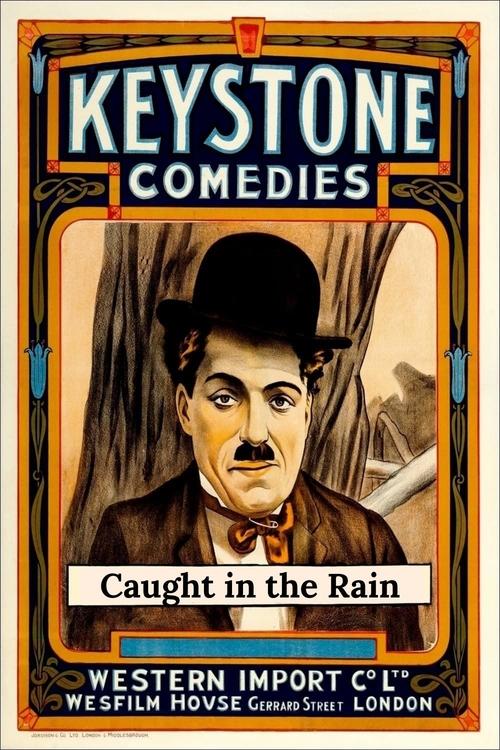
1914
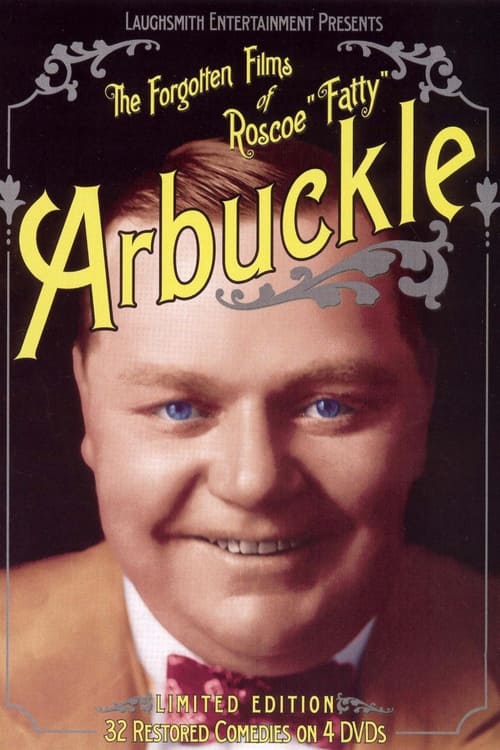
1915
No reviews yet. Be the first to share your thoughts on this movie!
Use the rating form above to leave a star rating and optional review.