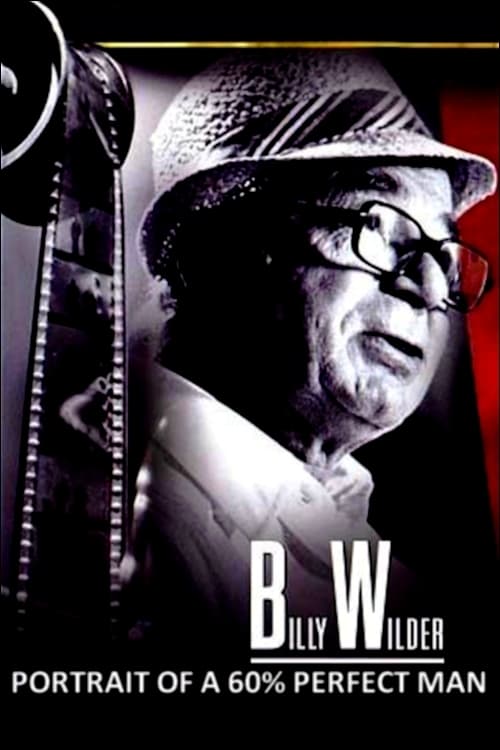
Portrait of a '60% Perfect Man': Billy Wilder
1982
No user ratings available yet
Representation score: 4.2 out of 10
Representation Score
Limited
1967
Director
André S. Labarthe
Runtime
61 minutes
Average Rating
No ratings yetNew Showbiz Analysis
This documentary serves as a dialectic exchange between Fritz Lang and Jean-Luc Godard. While it offers profound intellectual depth regarding the evolution of film language, it is demographically narrow. The conversation is a specialized academic exchange between two white European men. The work excels in its theoretical disruption of cinematic norms through modernist experimentation, providing a progressive look at how meaning is constructed and fragmented in art. However, the film's format as a mid-century intellectual dialogue limits its demographic breadth, lacking diverse representation and women's ability to drive the story.
Category Breakdown
The film does not explicitly depict LGBTQ+ identities or romantic narratives. Instead, it focuses on aesthetic and technical theories rather than identity-based storytelling.
The dialogue centers around an exclusively male intellectual space. There is no visible presence of women's ability to drive the story or narrative.
The documentary focuses on European cinematic history, with participants and subjects being homogeneous and centered on Western European traditions.
The dialogue critiques established filmmaking rules. Godard and Lang deconstruct traditional institutions, emphasizing subjective experience and stylistic disruption.
The film lacks character-driven frameworks. It does not feature characters or narrative arcs involving physical or neurodivergent disabilities.
Present on Screen
Limited or Absent
Official Synopsis
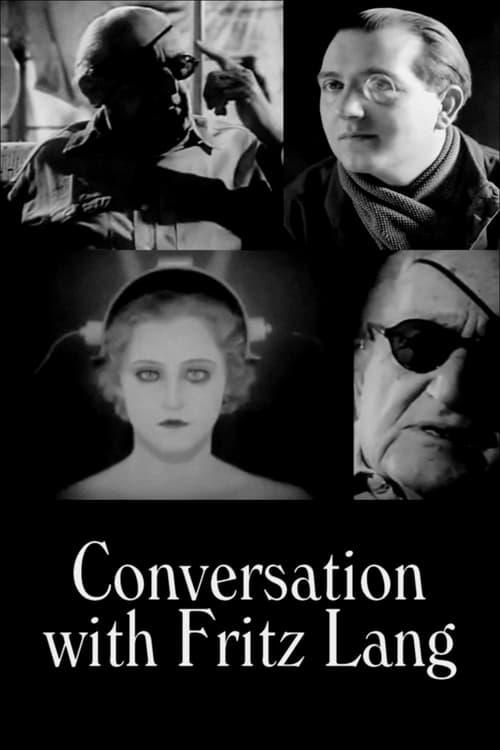
An hour-long discussion between Fritz Lang and Jean-Luc Godard in which they discuss a variety of art forms, the role of the cinema, their collaboration together, and much more. (Filmed in 1964 but released for TV in 1967.)
1982
2016
2010
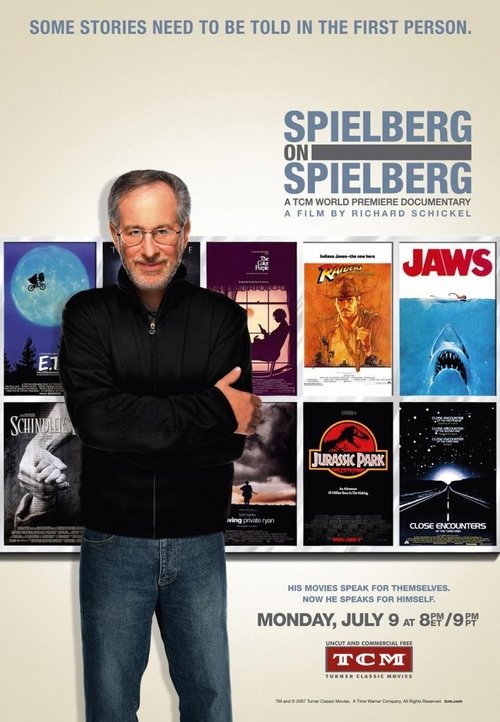
2007
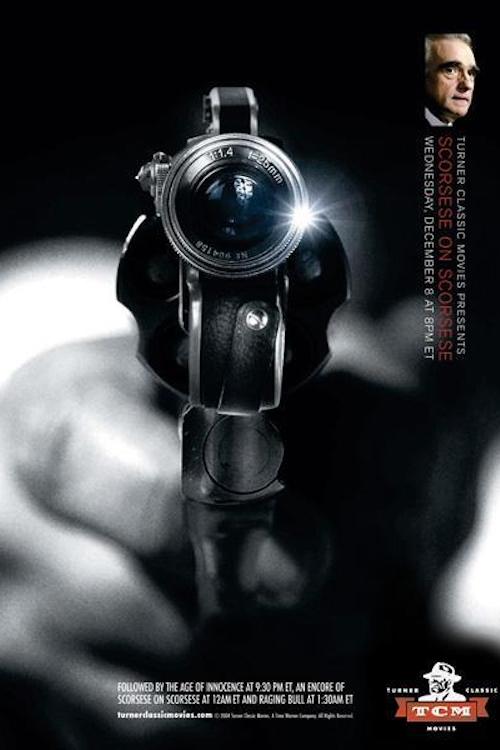
2004
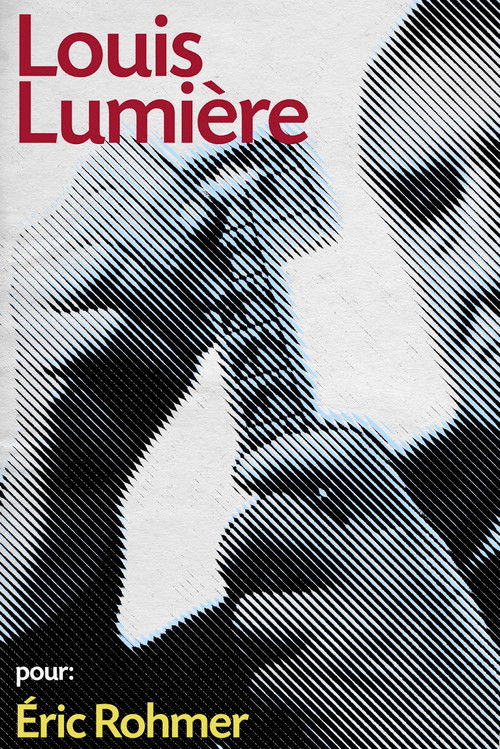
1968
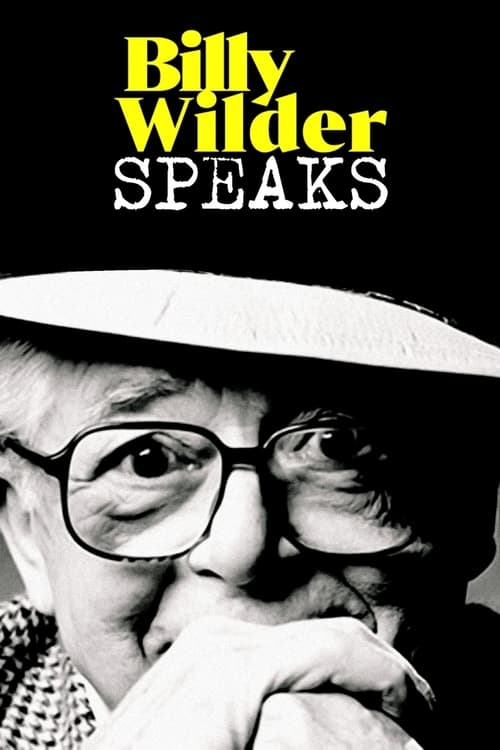
2006
1975
No reviews yet. Be the first to share your thoughts on this movie!
Use the rating form above to leave a star rating and optional review.