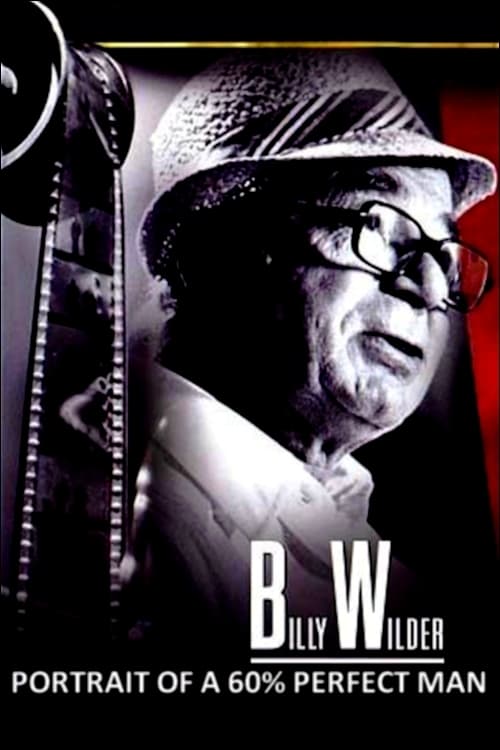
Portrait of a '60% Perfect Man': Billy Wilder
1982
No user ratings available yet
Diversity score: 4.6 out of 10
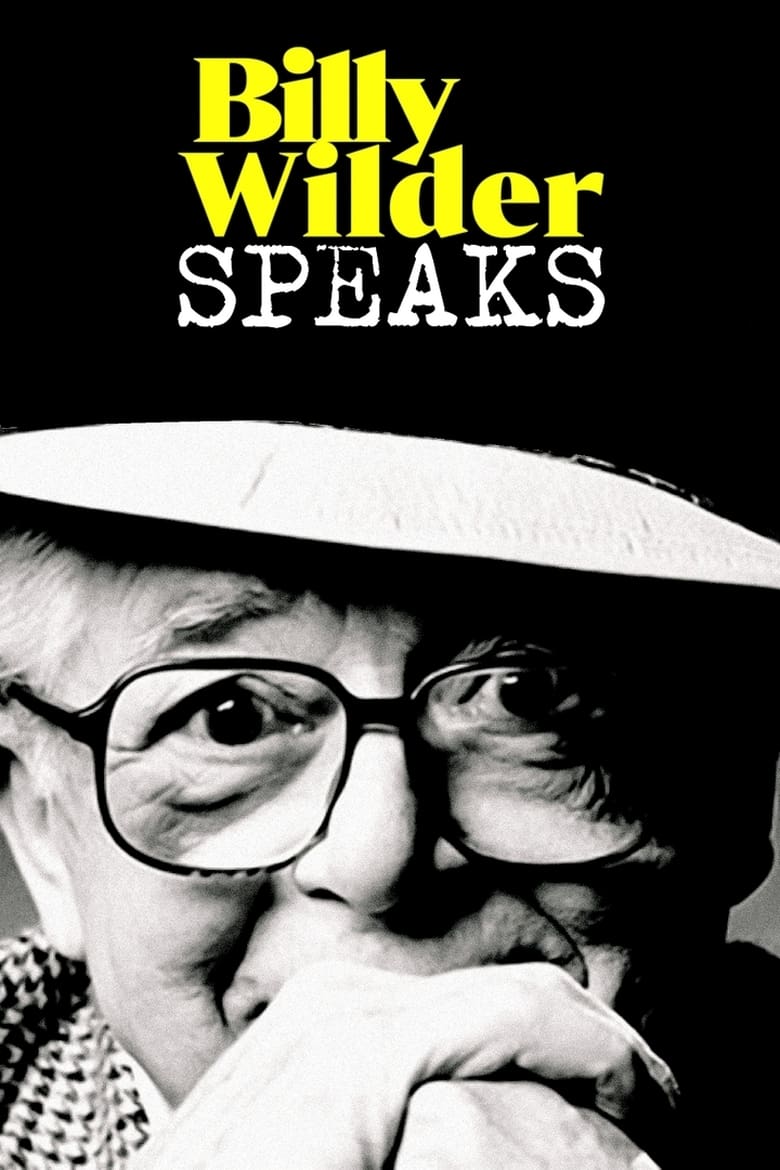
2006
Not RatedDirector
Volker Schlöndorff, Gisela Grischow
Runtime
72 minutes
Average Rating
No ratings yetSynopsis
In 1988, German filmmaker Volker Schlöndorff sat down with legendary director Billy Wilder (1906-2002) at his office in Beverly Hills, California, and turned on his camera for a series of filmed interviews. (A recut of the 1992 TV miniseries Billy, How Did You Do It?)
Overall Score
Good
Category Breakdown
LGBTQ+ Representation
The film offers a critical retrospective on gender performance and non-normative identities. It uses the legacy of Some Like It Hot to explore how drag and gender fluidity disrupt heteronormative expectations.
Gender Representation
Wilder’s work is analyzed for its ability to dismantle traditional romantic tropes. The documentary highlights his construction of autonomous female characters who possess significant intellectual and psychological agency.
Racial & Ethnic Diversity
The documentary emphasizes the immigrant experience and Jewish emigré identity. It frames Wilder’s career as a navigation between European sensibilities and the American studio system.
Religious & Cultural Diversity
The narrative explores the corruption within the American Dream and capitalist success. It prioritizes a nuanced, situational ethics over traditional morality through the lens of Wilder's filmography.
Disability Representation
The film does not explicitly center on the lived experiences or agency of individuals with physical or neurodivergent disabilities.
Strengths
Areas for Improvement
AI Analysis
Billy Wilder Speaks functions as a scholarly interrogation of cinematic history rather than a simple biography. By utilizing Volker Schlöndorff’s sophisticated lens, the documentary moves beyond tribute to examine how identity and displacement shape mainstream culture. The film excels at deconstructing Hollywood myths, specifically regarding gender fluidity and the immigrant experience. It treats Wilder's cynicism as a progressive tool for exposing fractures in Western hierarchies and traditional social structures. However, the documentary lacks engagement with disability representation. While it provides deep intellectual analysis of gender and class, it misses opportunities to address physical or neurodivergent perspectives.
1982
2022
2020
2006
2016
1990

1998
2002

1999

2020
1995
1996
No reviews yet. Be the first to share your thoughts on this movie!
Use the rating form above to leave a star rating and optional review.